Credits
16
Prerequisites
None
Language of Study
Hindi
Courses taught in
English
Dates
Aug 31 – Dec 13
Program Countries
India
Program Base
New Delhi
Visa
Required
Critical Global Issue of Study
Global Health & Well-being
Development & Inequality
Experience one of the most dynamic public health landscapes in the world while examining how biotechnology, reproductive health, and innovative practices are transforming healthcare in India.
16
None
Hindi
English
Aug 31 – Dec 13
India
New Delhi
Required
Global Health & Well-being
Development & Inequality
As one of the largest democracies in the world, India offers a unique opportunity to study how biotechnology, reproductive health systems, and access to healthcare are changing due to shifts in society, politics, and the economy in a globalized world.
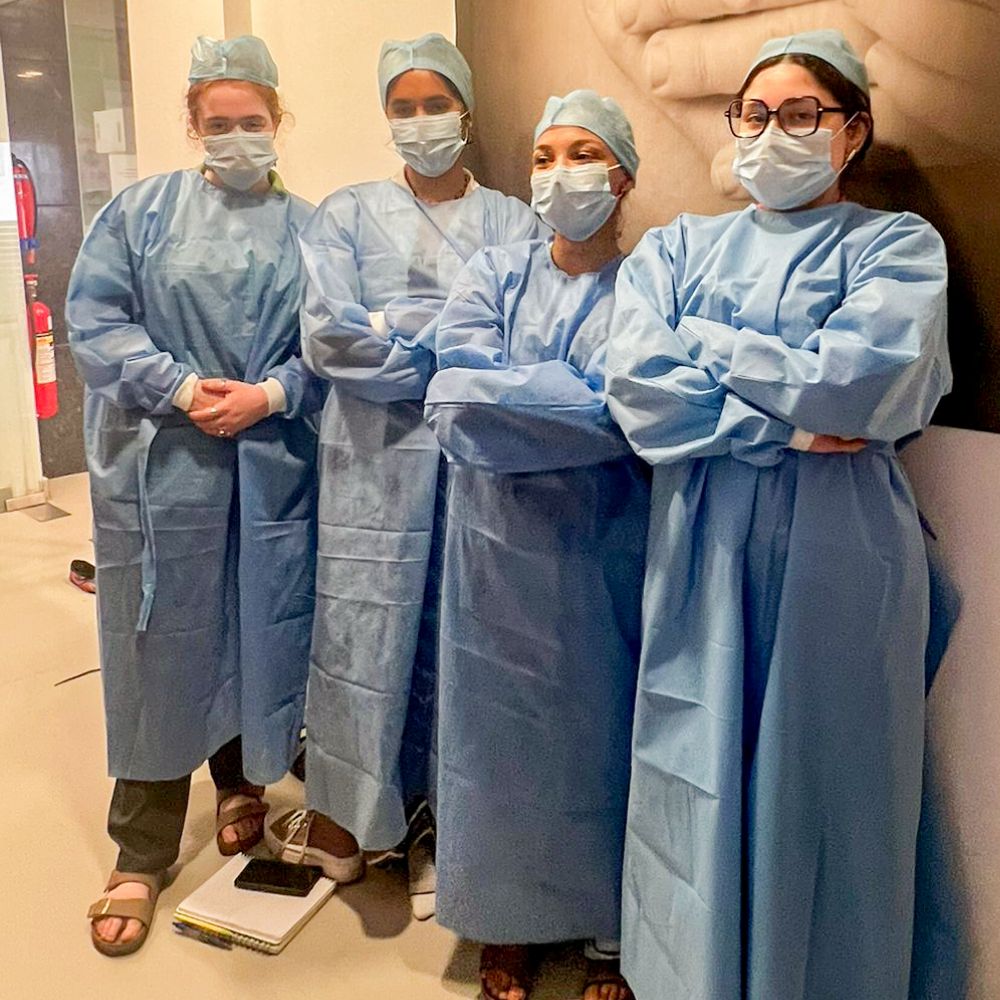
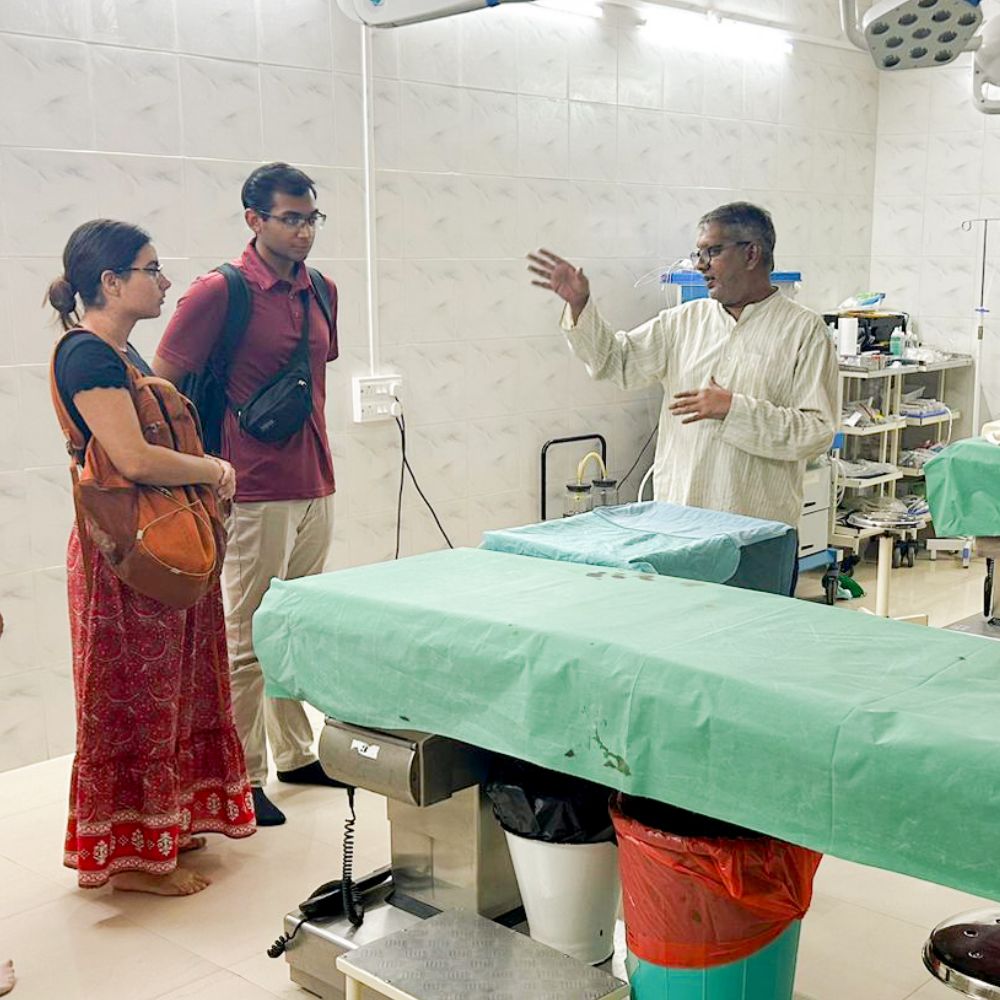
This program allows the opportunity to deeply examine topics in public health, explore labs, hospitals, and research institutions, and meet with healthcare professionals and policymakers at the local, national, and international levels. The option to study Hindi is also available.
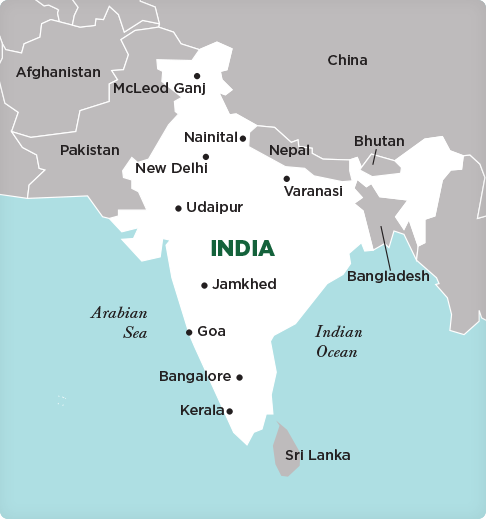
Through seminar-based learning in New Delhi, facilitated by experts, activists, and practitioners, and immersive fieldwork in places like Delhi, Goa, the Himalayas, Kerala, and Maharashtra, you will engage directly with community health initiatives, emerging biotechnologies, and the ongoing work of building affordable, equitable, and accessible healthcare in India. Field visits and internships will deepen your understanding of how healthcare systems, technologies, and public policies shape the lives of marginalized communities in India.
None.
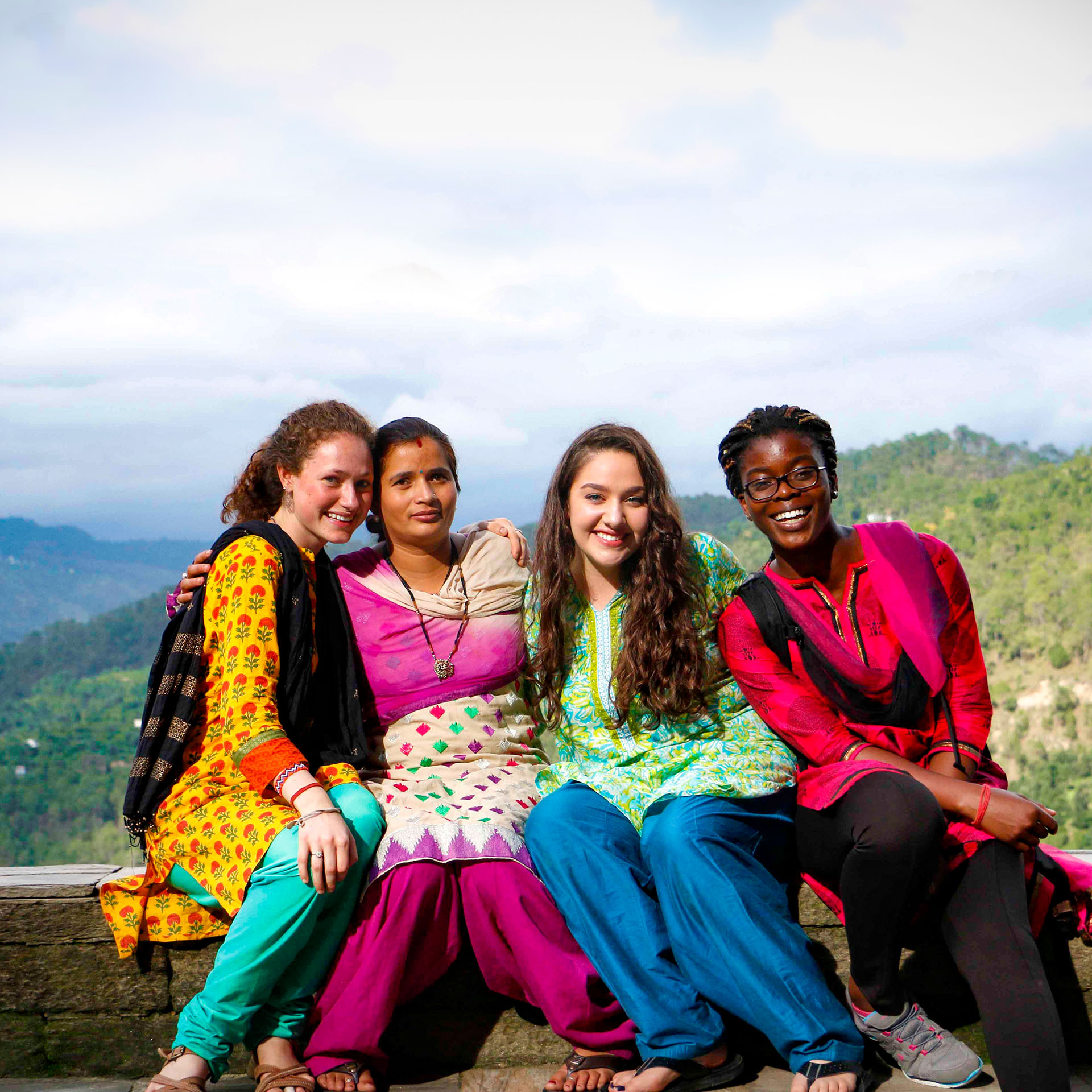
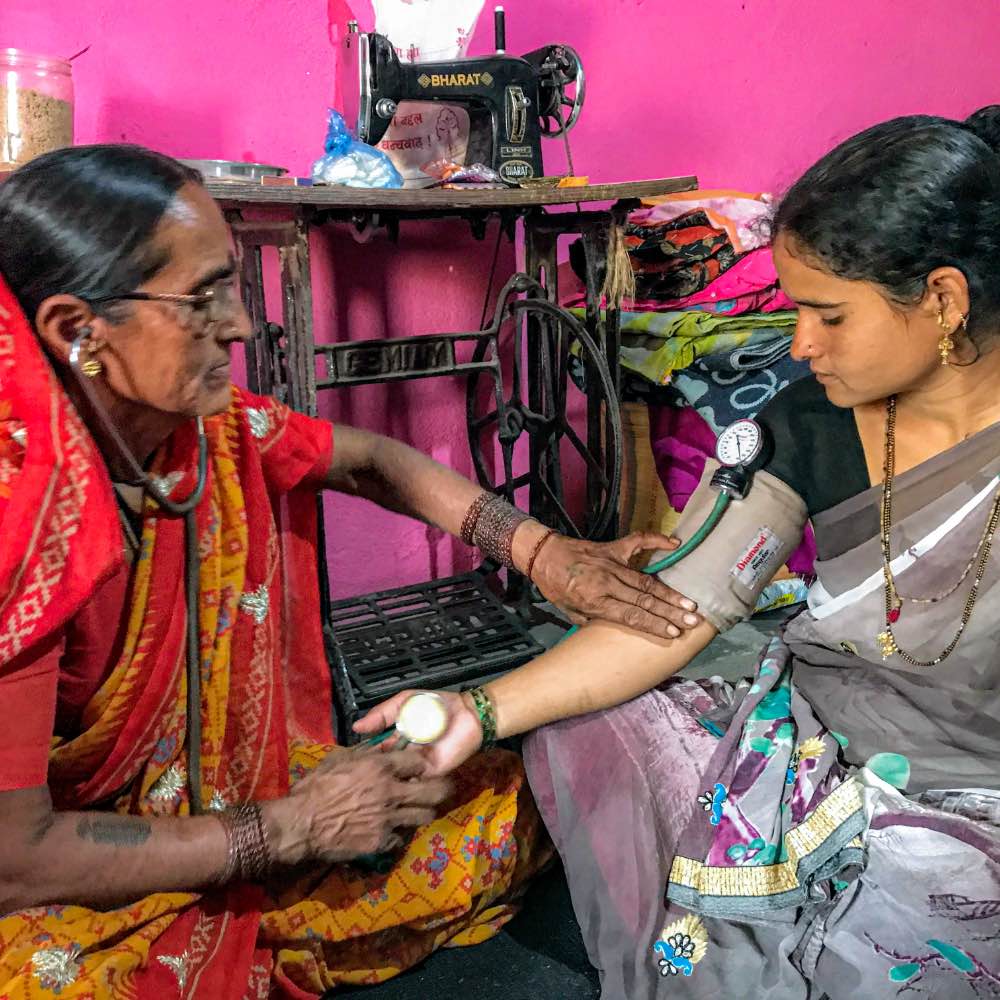
Spend a week in the Himalayas exploring rural healthcare systems and Tibetan refugee communities in McLeod Ganj. Visit village clinics, primary and community health centers, and hospitals to learn about reproductive and public healthcare in India by interacting with doctors, paramedics, and community health activists. Live with Tibetan families and engage with healthcare workers, women’s groups, and community organizations through immersive field-based learning.
Spend a week in the picturesque coastal state of Goa exploring how biotechnology and community-based healthcare initiatives address mental health and well-being among men, women, children, and adolescents. Engage with scientists, healthcare professionals, health activists, legal experts, and community organizations to understand innovative and humanitarian approaches to public health, rehabilitation, prevention, and inclusive healthcare delivery.
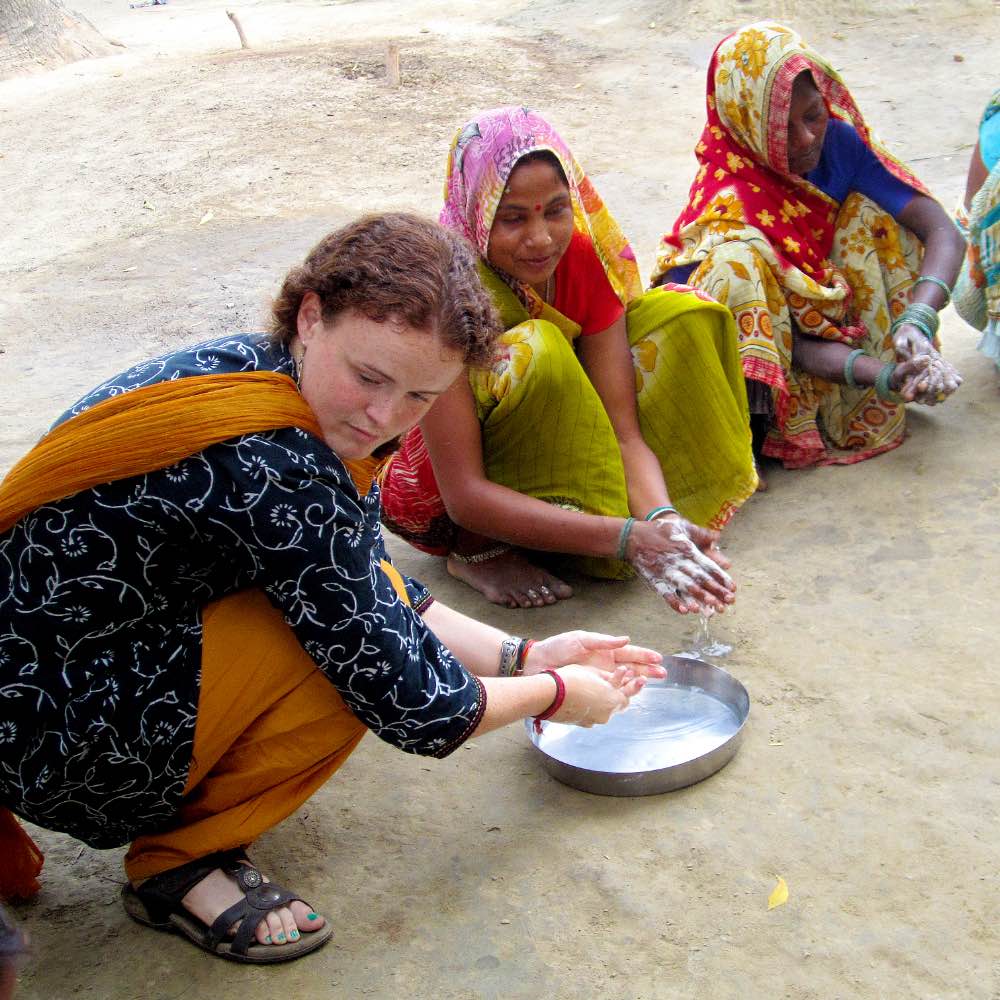
Engage in a series of issues-oriented workshops at a variety of host sites. Workshops are designed as case studies around specific topics, problems, and solutions that arise from discussions with host organizers. You will study at the world-renowned Comprehensive Rural Health Project (CRHP) in Jamkhed, one of the most effective community health projects in India.
CRHP has worked among the rural poor in the western state of Maharashtra for more than 54 years. By partnering with village communities and building on local knowledge and resources, the project has utilized community-based epidemiological knowledge coupled with appropriate technology to meet the immediate- and long-term healthcare needs of men, women, and adolescents in marginalized rural populations, regardless of caste, class, or religion.
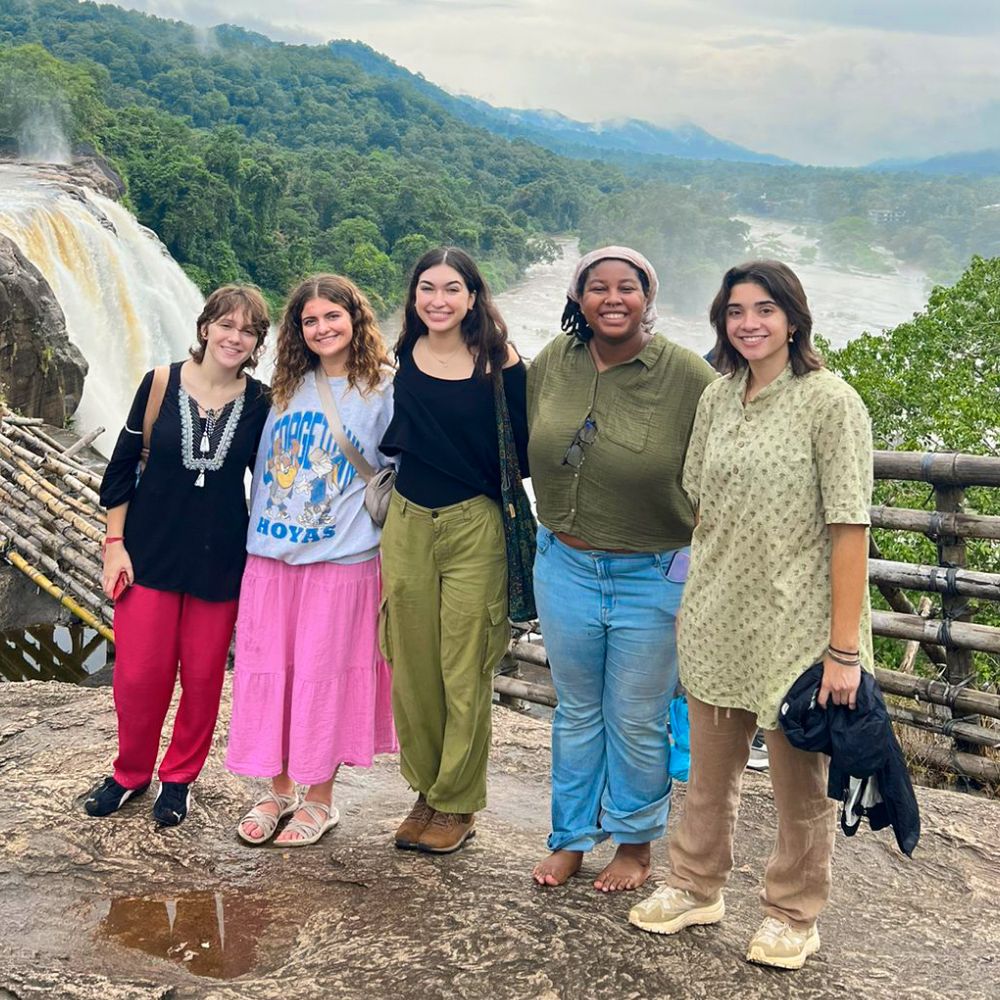
Travel to Kerala (meaning God’s own country) to explore India’s rapidly growing biotechnology and healthcare innovation sector in Kochi. Visit biotechnology labs, health data centers, and research institutions while engaging with scientists, faculty, and other students working in molecular biology, genetics, diagnostics, microbiology, and healthcare innovation. Through immersive interactions with researchers and public health professionals, examine how biotechnology is shaping the future of healthcare, public health systems, ethics, accessibility, and health equity in India.
Surrounded by the beautiful Dhauladhar range of the Himalayas, participate in a workshop at Kayakalp, a holistic health retreat center that provides holistic healthcare by treating and healing body, mind, and soul. Take introductory classes followed by a hands-on experience demonstration of the traditional Indian practices of Ayurveda, yoga, naturopathy, acupressure, and meditation therapies.
Please note that SIT will make every effort to maintain its programs as described. To respond to emergent situations, however, SIT may have to change or cancel programs.
Upon successful completion of the program, students will be able to:
The following syllabi are representative of this program. Because courses develop and change over time to take advantage of dynamic learning opportunities, actual course content will vary from term to term.
The syllabi can be useful for students, faculty, and study abroad offices in assessing credit transfer. Read more about credit transfer.
This course examines how emerging biotechnologies, health data, diagnostics, genetics, artificial intelligence, and healthcare innovations are reshaping public health in India and globally. Through classroom learning, laboratory visits, institutional engagements, and immersive field experiences, students interact with scientists, healthcare professionals, NGOs workers, and policymakers. The course gives students direct experience in biotechnology labs, hospitals, health data centers, and community health projects, helping them see how new technologies connect with healthcare systems, ethics, access to care, and social inequality in today’s India.
Reproductive Epidemiology – syllabus
(IPBH3000 / 3 credits)
This seminar explores reproductive epidemiology and its application in the Indian public health context. Students learn core epidemiological concepts and methods to understand the distribution and determinants of health and disease related to reproductive and sexual health. Through classroom learning, workshops, and field excursions, the course examines how epidemiological research informs preventive and healthcare interventions, public health policy, and reproductive health services while critically engaging with healthcare systems, social inequalities, and community health in India.
Sexual Minorities and the Right to Healthcare – syllabus (Option 1)
(IPBH3500 / 3 credits)
This seminar examines reproductive and sexual healthcare access for minority groups in India through a rights-based public health approach. Through site visits and discussions with minority communities, activists, and healthcare professionals, students explore gender and sexual identities, experiences, mental and physical health needs, and healthcare inequalities. The course critically evaluates public health policies, healthcare systems, and civil society responses affecting women and LGBTQIA+ communities across India.
Beginning Hindi – syllabus (Option 1)
(HIND1003-1503 / 3 credits)
Intermediate Hindi – syllabus (Option 1)
(HIND2003-2503 / 3 credits)
Advanced Hindi – syllabus (Option 1)
(HIND3003-3503 / 3 credits)
Based on an in-country evaluation that includes oral proficiency testing, students are placed in beginning, intermediate, or advanced classes. The emphasis is on speaking and comprehension skills through classroom and field instruction. Students acquire a solid foundation in standard Hindi to enable interaction with speakers of Hindi in north India and all over the world. Students will be expected to make rapid progress in both speaking and listening comprehension by using Hindi outside of class as much as possible, particularly with family members in their homestays. Although we expect that dedicated students will acquire a strong, functional ability to communicate in Hindi, students wishing to interact substantively with Hindi speakers should expect extensive collaboration with a translator for their Independent Study Project or internship.
Global Health Field Methods and Ethics – syllabus
(RSCH3500 / 3 credits)
The Global Health Field Methods and Ethics course provides students with the concepts and methodological skills to conduct fieldwork in a cross-cultural setting. In particular, this course helps students negotiate additional barriers and boundaries faced while conducting research or doing fieldwork in a public health context in India, specifically in navigating power dynamics with an anti-colonial stance while collecting and analyzing data in a rigorous and ethical manner. During this course, students learn how to consolidate and apply the knowledge imparted during other semester courses as well. The first-hand experience that each student gains while conducting fieldwork during this course will prove valuable at the culmination of the semester by the successful completion of the four-week Independent Study Project.
OR
Global Organizational Culture and Ethics – syllabus (GOCE3500/3 credits)
This course equips students to engage meaningfully and ethically in internship experiences across diverse sociopolitical, cultural, environmental, and global contexts. Using a critical, practice-based approach, students examine the nature and purpose of internships as transformative experiential learning opportunities that connect to the program’s Critical Global Issue theme. Emphasis is placed on navigating workplace and organizational cultures, reflecting on identity and positionality in professional settings, and applying ethical principles to working globally with communities, individuals, and environments—particularly in collaboration with vulnerable populations and in sensitive ecological or habitat settings.

Independent Study Project – syllabus
(ISPR3000 / 4 credits)
Conducted in north India or in another approved location. Sample topic areas: international, national, and regional responses to epidemics and pandemics, especially for women and sexual minorities; role of gender in health equity and disability; major challenges for women and sexual minorities to accessing sexual and reproductive transmitted diseases-related services; target healthcare intervention for women and LGBTQIA+ communities; impact of globalization on healthcare delivery to marginalized communities; healthcare services planning and management; privatization of health services and health tourism in low-middle income countries. The Independent Study Project culminates in a research paper and presentation.
Sample ISP topic areas:
Browse this program’s Independent Study Projects / undergraduate research.
Internship and Seminar – syllabus
(ITRN3000 / 4 credits)
This seminar consists of a four-week internship with a local community or research organization, business, or international NGO in India. The aim of the internship is to enable students to gain valuable work experience and enhance their skills in an international work environment. Specifically, students will conduct an internship in the context of reproductive and sexual health, gender and sexuality issues in India. The focus will be on linking internship learning with the program’s critical global issues. The seminar includes regular reflection and assessment meetings with the academic director or internship coordinator to review the progress of the internship and learning associated with the internship experience. Students complete a substantial academic paper in which they process their learning experience on the job, analyze an issue important to the organization, and/or design a socially responsible solution to a problem identified by the organization. Students also conduct an oral presentation of their internship experience and findings.
Sample Internships:
A diversity of students representing different colleges, universities, and majors study abroad on this program. Many of them have gone on to do amazing things that connect back to their experience abroad with SIT. Recent positions held by alumni of this program include:
Epidemiologist, Centers for Disease Control, Atlanta
Technical Officer, World Health Organization
Co-founder, Broad Street Maps, Seattle, Washington
Fulbright Nehru Fellow researching the rehabilitation of drug-addicted youth in India
Boren Fellow studying Hindi and conducting independent research on sanitation, infection, and nutrition, India
Medical and public health master’s degree students at Yale University and Johns Hopkins University
SIT Study Abroad is committed to ensuring that international education is within reach for all students. We believe in the transformative power of immersive, intercultural experiences and are dedicated to supporting students in their educational journey.
See All Costs
A critical step in preparing for your study abroad program is planning how you will maintain your health and wellbeing. Please review the following information carefully and contact [email protected] with any questions or concerns.
Learn More
Students are required to obtain a visa for this program. Your admissions officer will provide you further guidance on the process and support documents. Please do not apply without instructions from your admissions officer.
SIT Study Abroad India: Public Health, Gender, and Sexuality
@indiapublichealthsitstudyabroad
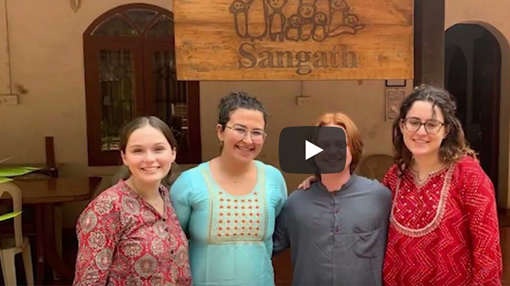
Students on India: Public Health talk about research, excursions, great food and more!