

Credits
16
Prerequisites
None
Courses taught in
English
Dates
Aug 31 – Dec 13
Program Countries
Greece, Netherlands, Portugal
Program Base
Portugal, Netherlands, Greece
Visa
Required
Critical Global Issue of Study
Global Health & Well-being




Explore how Europe tackles today’s most urgent public health challenges—from infectious disease to health equity to climate-related health risks.

16
None
English
Aug 31 – Dec 13
Greece, Netherlands, Portugal
Portugal, Netherlands, Greece
Required
Global Health & Well-being
Investigate global health challenges. Compare regional responses. Experience public health in practice. This multi-country study abroad program takes you across three European countries to compare how different health systems respond, adapt, and collaborate. Working within a regional framework, this program blends coursework in epidemiology, infectious disease control, and social determinants of health with hands-on fieldwork, site visits, and simulations.
What sets this program apart is its comparative design. As you move across three countries, you’ll build layered insight into how public health science is practiced in different settings—hospitals, labs, public health agencies, and the field. You’ll gain experience collecting data, analyzing trends, and examining the biological, environmental, and social drivers of disease.
Europe’s mix of national health systems and regional coordination creates a unique landscape for learning. Through hands-on investigation and expert-led instruction, you’ll develop scientific fluency, cross-cultural awareness, and real-world tools for a future in public health, medicine, biomedical research, or advocacy.
Curious about how public health tackles global threats? This is your chance to see it in action—up close, across borders, and grounded in real-world practice.
Receive up to $1,000 in flight credits when you join this new program! Learn more HERE
None.


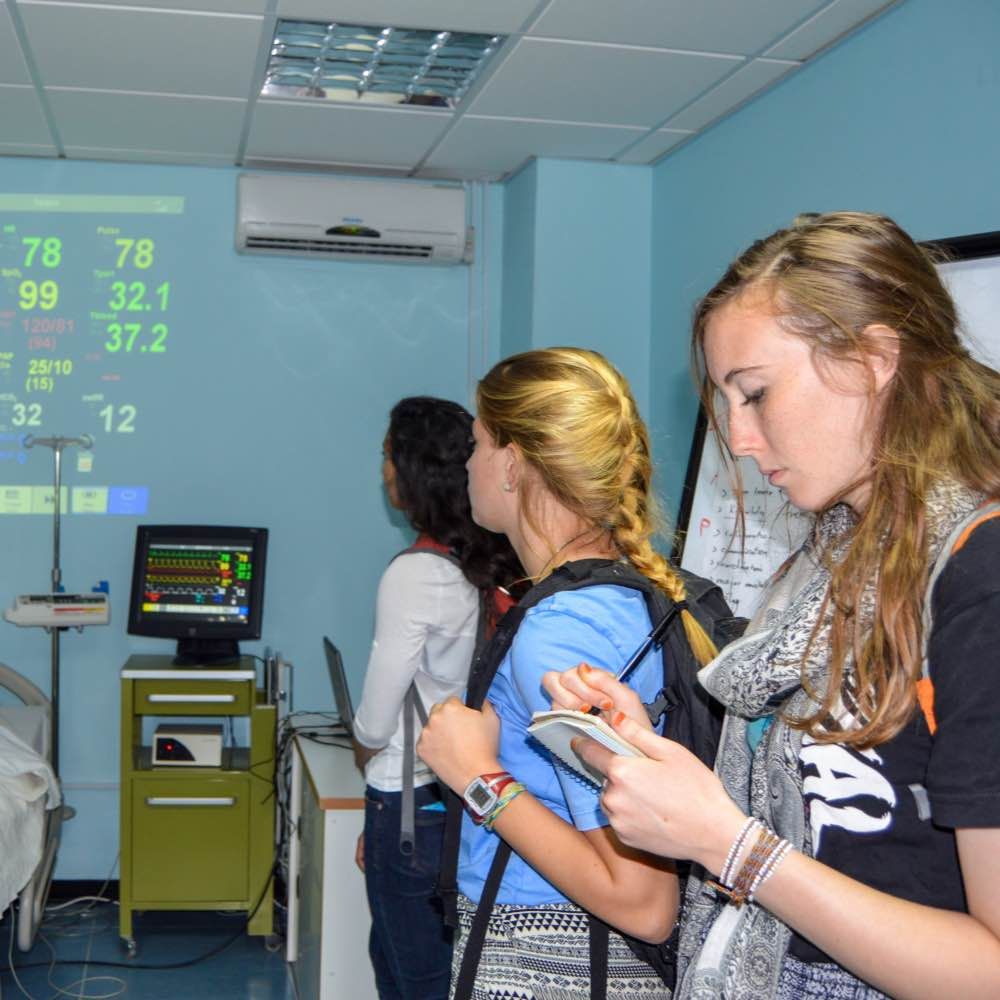





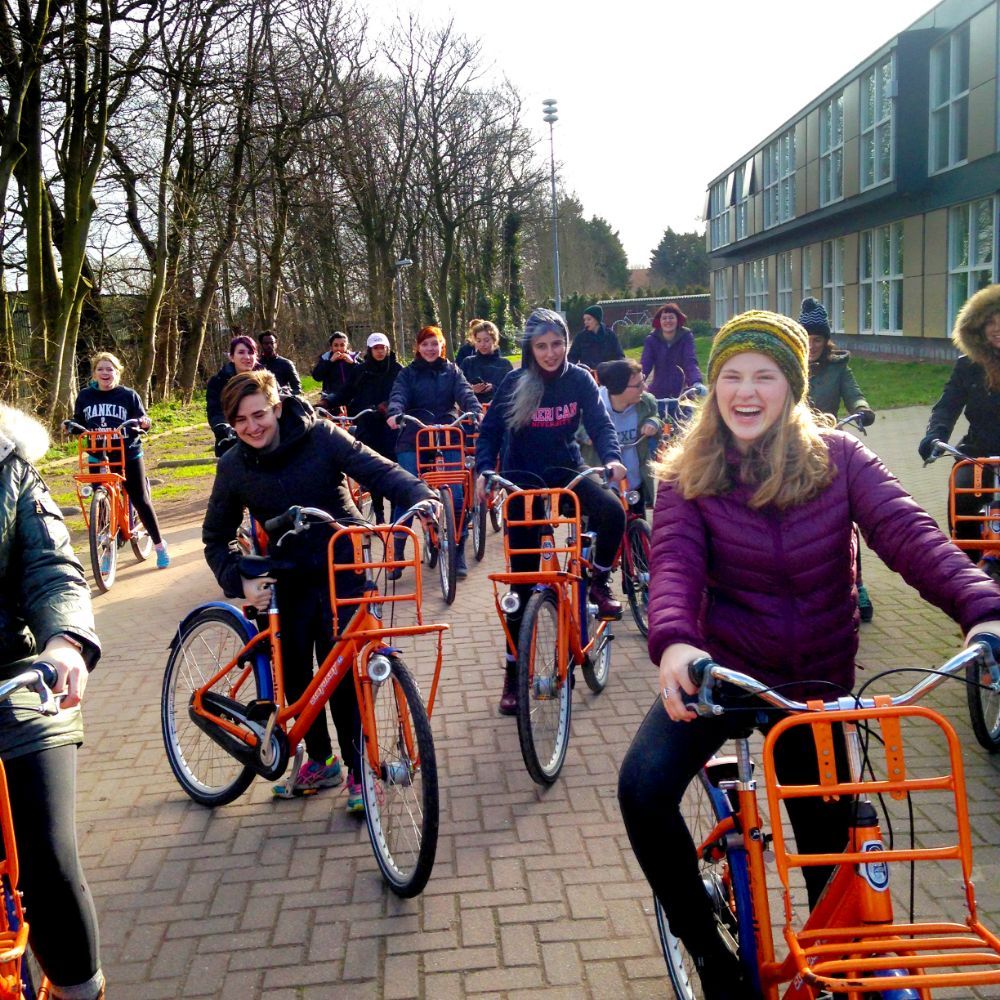
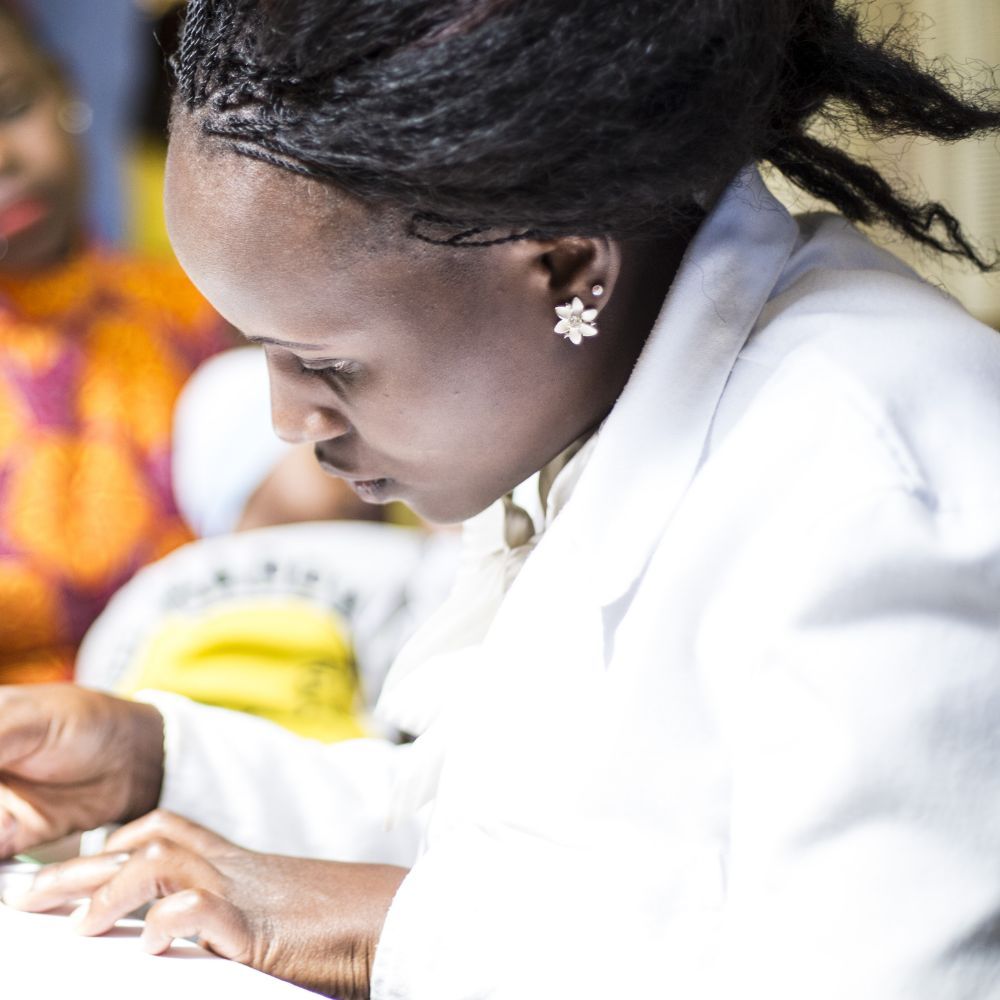
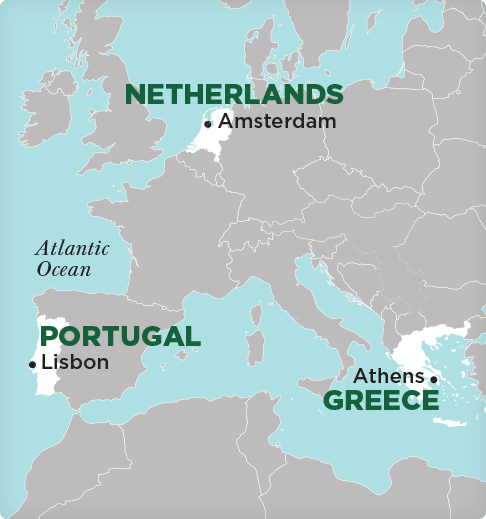


Portugal provides a valuable case study in balancing the strengths of a trusted universal healthcare system, such as high immunization rates, with persistent local challenges in health equity and access to preventive care. Students gain insight into how social and environmental determinants—including housing, pollution, and income inequality—shape public health outcomes in urban Portugal.
The Netherlands offers a model of highly digitized, preventive, and decentralized healthcare. It is a hub for public health innovation, sexual and reproductive health policy, and data-driven decision-making. The Netherlands also hosts key institutions such as the European Medicines Agency (EMA).
Greece brings critical insight into public health under pressure. Greece has faced recent public health challenges tied to economic austerity, migrant health, and climate-related impacts (e.g., extreme heat, wildfires). Athens provides a compelling context for exploring how health systems adapt to social and environmental stressors.
Please note that SIT will make every effort to maintain its programs as described. To respond to emergent situations, however, SIT may have to change or cancel programs.
Upon completion of this program, students will be able to:
The following syllabi are representative of this program. Because courses develop and change over time to take advantage of dynamic learning opportunities, actual course content will vary from term to term.
The syllabi can be useful for students, faculty, and study abroad offices in assessing credit transfer. Read more about credit transfer.


Comparative Epidemiology: Disease, Data, and Trends – syllabus
(IPBH3000 | 4 credits)
This course investigates how and why disease patterns vary across populations through examining epidemiological trends in three European cities—Lisbon, Amsterdam, and Athens. Through comparative analysis of communicable and non-communicable diseases, students will investigate national and regional approaches to epidemiology, public health surveillance, and data collection. Blending classroom learning with field-based observation and analysis of real-world health data, this course offers students practical insight into how evidence informs public health decisions across diverse European contexts.
Infectious Disease Prevention and Management – syllabus
(IPBH3030 | 4 credits)
This course offers a structured comparison of infectious disease prevention and management strategies in Portugal, the Netherlands, and Greece within the broader framework of European public health and EU-level coordination and standards. Through a combination of readings, field visits, and applied learning experiences, students will compare each country’s approach to vaccination programs, outbreak control strategies, and public health emergency responses. In a highly interactive group simulation activity, students will apply what they have learned as they coordinate a response to a real-world infectious disease outbreak scenario.
Determinants of Health – syllabus
(EURO3050 | 4 credits)
This course offers a structured comparison of key determinants of health in Portugal, the Netherlands, and Greece within the context of European public health and social welfare systems. Through a combination of readings, field visits, and applied learning experiences, students will examine how urban environments, migration, economic factors, social inclusion, and mental health systems shape health outcomes across different contexts. Students will critically assess how health equity varies across European cities and will present findings through comparative analysis and a final infographic project.
Project Health: Community Engagement and Ethical Inquiry – syllabus
(IPBH3500 | 4 credits)
This course combines community engagement and self-directed inquiry to deepen students’ understanding of public health in diverse European contexts. At each program site, students collaborate with local organizations on community-initiated projects while developing intercultural communication and ethical engagement skills. Simultaneously, they pursue an individual, inquiry-based project on a public health topic of their choice—such as mental health policy, aging, or climate-related health risks—through field research and expert interviews. The course culminates in a final integrative project and presentation, fostering a holistic, comparative perspective on regional health and well-being.

Student accommodations may include a mix of homestays, hostels, guesthouses, and small hotels/dorms. Students will experience homestays and will be oriented as they move from place to place.

Potential career paths include:
Disease surveillance analyst
Public health program coordinator
Community health worker or advocate
Health equity analyst
Global health data analyst
Health systems researcher
Graduate student in MPH, MPA, or PhD programs
Medical school or clinical training student (with public health emphasis)




SIT Study Abroad is committed to ensuring that international education is within reach for all students. We believe in the transformative power of immersive, intercultural experiences and are dedicated to supporting students in their educational journey.
See All Costs
A critical step in preparing for your study abroad program is planning how you will maintain your health and wellbeing. Please review the following information carefully and contact [email protected] with any questions or concerns.

Students are required to obtain a visa for this program. Your admissions officer will provide you further guidance on the process and support documents. Please do not apply without instructions from your admissions officer.