Credits
7
Prerequisites
None
Language of Study
Kiswahili
Courses taught in
English
Dates
Jun 1 – Jul 20
Program Countries
Kenya
Program Base
Kisumu
Visa
Required
Critical Global Issue of Study
Development & Inequality
Global Health & Well-being
Gain practical professional experience in clinical or community health, while you explore the social determinants, health promotion, prevention, and management of tropical and non-communicable diseases.
7
None
Kiswahili
English
Jun 1 – Jul 20
Kenya
Kisumu
Required
Development & Inequality
Global Health & Well-being
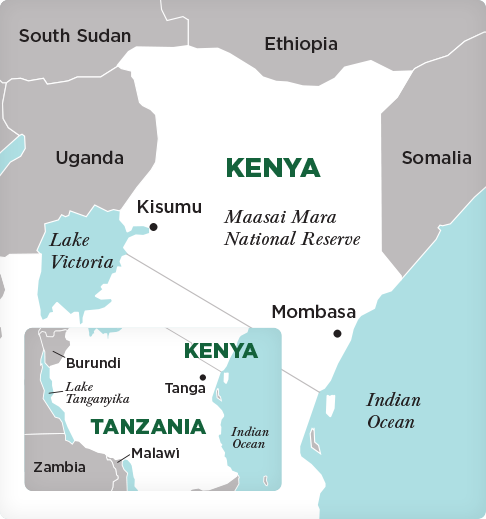
The Lake Victoria region is burdened by tropical diseases, such as malaria, HIV/AIDS, tuberculosis, and other neglected tropical diseases. In Kisumu, you’ll complete an internship focused on health policy formulation, promotion, management, and clinical medicine at the Kisumu County Department of Health, Jaramogi Oginga Odinga Teaching and Referral Hospital, Kisumu County Referral Hospital, or Nyanza Reproductive Health Society. During your time in Kenya, you’ll also enjoy an excursion to Maasai Mara Game Reserve, home to lions, cheetahs, elephants, zebras, and hippos.
None; however, preference is given to students with prior coursework or background in health and policy studies or related fields.
You’ll spend a weekend at Maasai Mara Game Reserve, neighboring the Serengeti National Park in Tanzania. Maasai Mara, named in honor of the Maasai people, is home to lions, cheetahs, elephants, zebras, hippos, and many other species. Around July each year, the wildebeest, Maasai Mara’s dominant inhabitants, migrate north from the Serengeti plains in search of fresh pasture. Known as The Great Migration, it is one of the most impressive natural events worldwide.
Please note that SIT will make every effort to maintain its programs as described. To respond to emergent situations, however, SIT may have to change or cancel programs.
Upon successful completion of the program, students will be able to:
The following syllabi are representative of this program. Because courses develop and change over time to take advantage of dynamic learning opportunities, actual course content will vary from term to term.
The syllabi can be useful for students, faculty, and study abroad offices in assessing credit transfer. Read more about credit transfer.
Internship Practice – syllabus
(ITRN3024 / 4 credits)
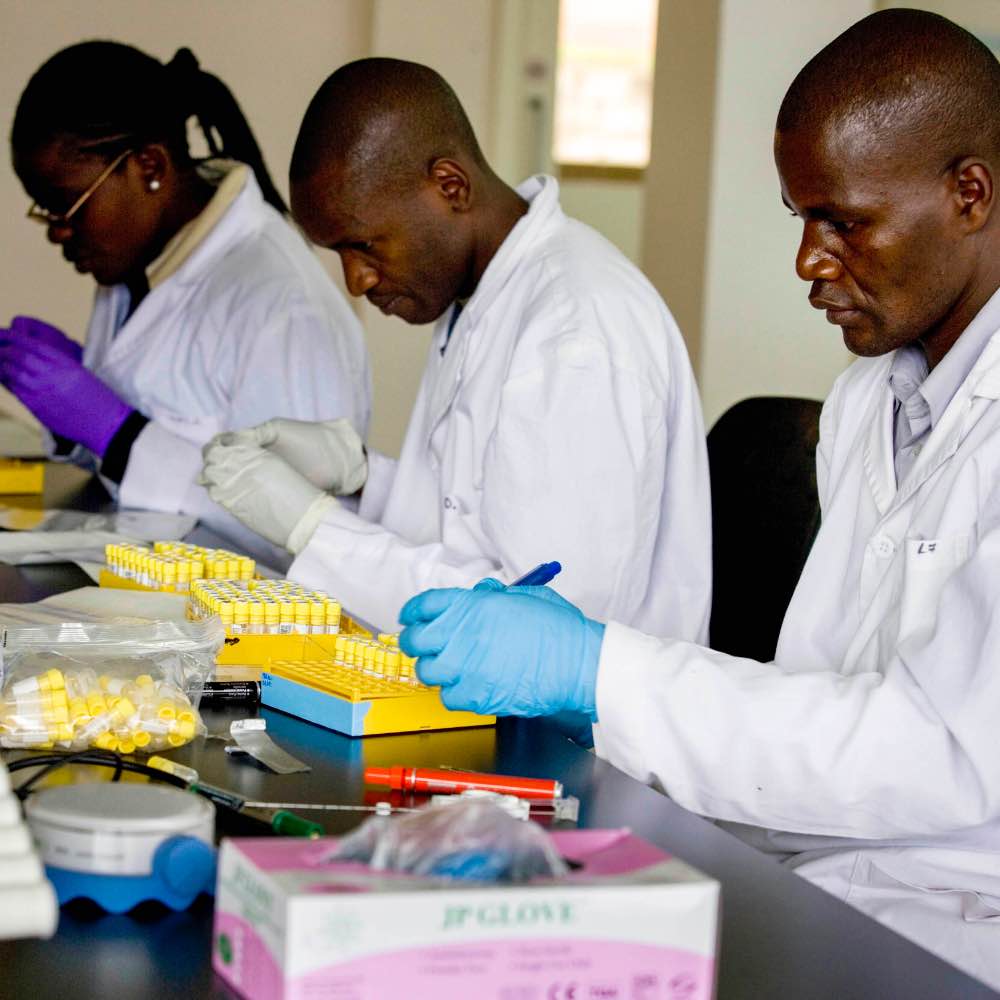
This course consists of an internship at a health-related organization such as hospitals, a government department promoting public health, or with a non-government organization (NGO) in Kisumu, Western Kenya. The internship enables students to gain practical, hands-on experience in a professional setting, enhance their skills, and develop core competencies connected to health policy, planning and management, disease surveillance, prevention and control, and health promotion for key populations such as LGBTQI+ people, among others.
SIT will use its extensive local network to facilitate internship placements for students. Students will be informed of the types of internships available and the placement process four weeks prior to the start of the program. The SIT academic director will review and approve internship placement requests that are not included in the SIT internship network.
Prior to the start of the internship all students must complete a list of internship activities in which they expect to be engaged at the internship organization, a statement of purpose, an internship learning agreement, a signed SIT ethics form, and an ethics statement. SIT will maintain oversight over internship placements in line with SIT academic policies and student health and security guidelines. Ultimately, each student will take responsibility for making optimal use of resources available at the organization and to be proactive in engaging with local experts to achieve internship objectives.
Internship Seminar – syllabus
(ITRN3010 / 3 credits)
This seminar is designed to equip students with an understanding of the peculiar dynamics and nuances related to public health planning, management, and delivery in countries located in the tropics such as Kenya. The course also situates public health planning, management, and delivery within the context of Kenya’s recent social and political history and the broader tropical regions of the world today, paying keen attention to the influences of social class, gender and sexual identity, and place of residence on health outcomes. Carefully selected site visits and readings refocus keen attention to key critical global public health issues as students deepen their knowledge about health in tropical regions of the world. Class sessions, complemented by carefully selected readings and site visits, form the core elements of the course.
SIT Study Abroad is committed to ensuring that international education is within reach for all students. We believe in the transformative power of immersive, intercultural experiences and are dedicated to supporting students in their educational journey.
See All Costs
A critical step in preparing for your study abroad program is planning how you will maintain your health and wellbeing. Please review the following information carefully and contact [email protected] with any questions or concerns.
Learn More
Students are required to obtain a visa for this program. Your admissions officer will provide you further guidance on the process and support documents. Please do not apply without instructions from your admissions officer.
SIT Kenya alum Isabel Brum discusses her experience interning at a hospital in Kisumu learning about HIV care and the social determinants of health that impact people’s quality of life in western Kenya.
SIT Kenya alum and Gilman Scholarship recipient Saliya Ali shares her experience on the summer program.