Overview
Why study abroad in Italy and Tunisia?
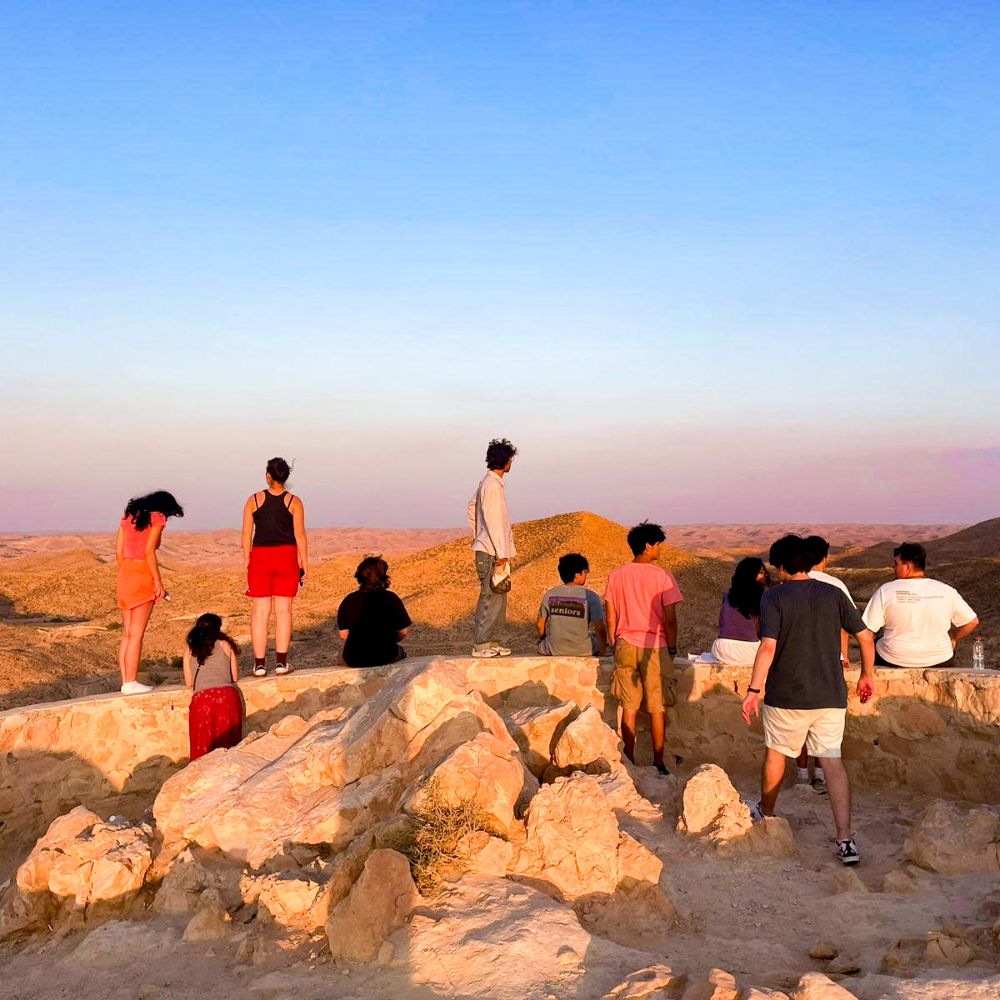
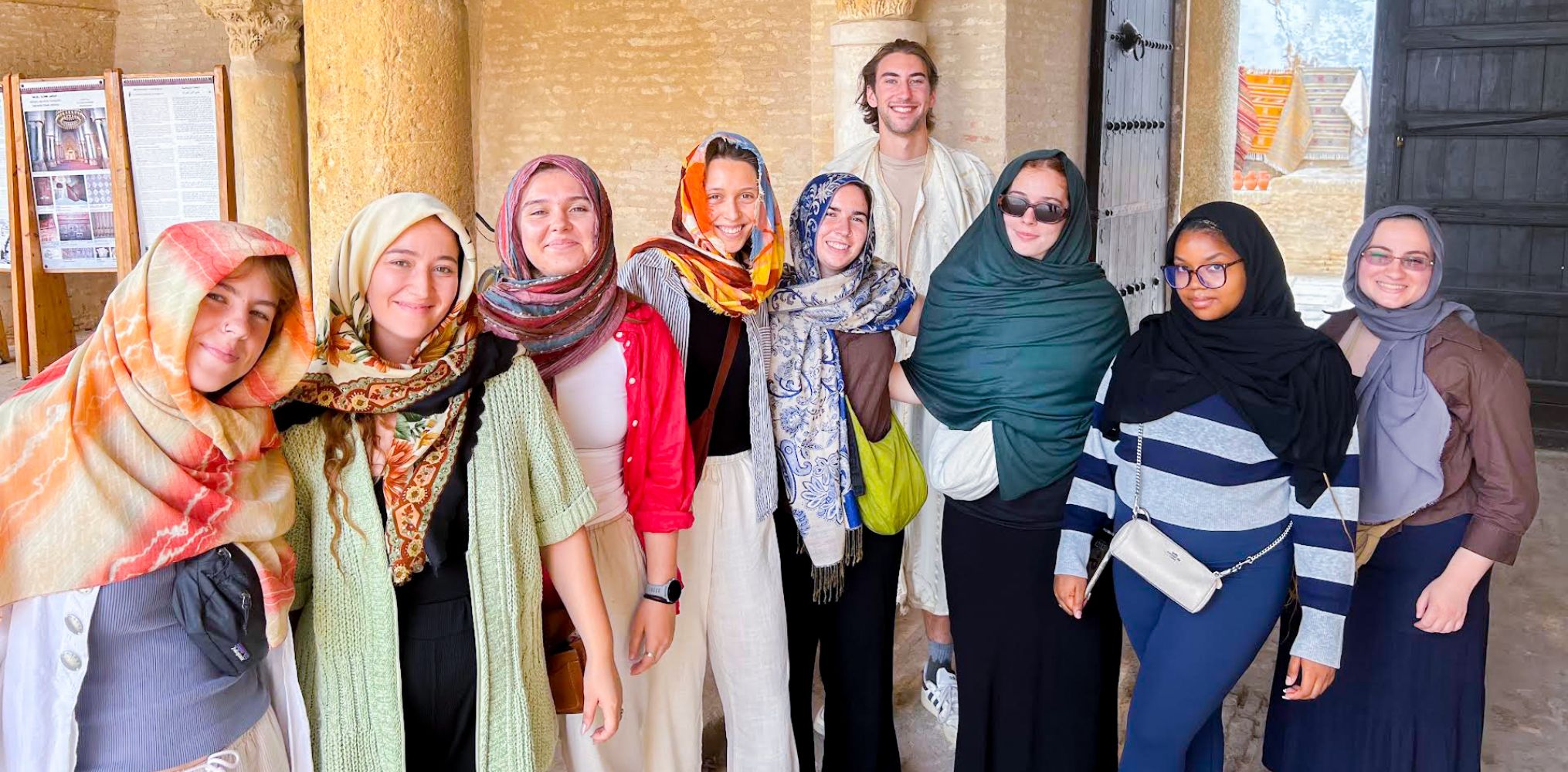
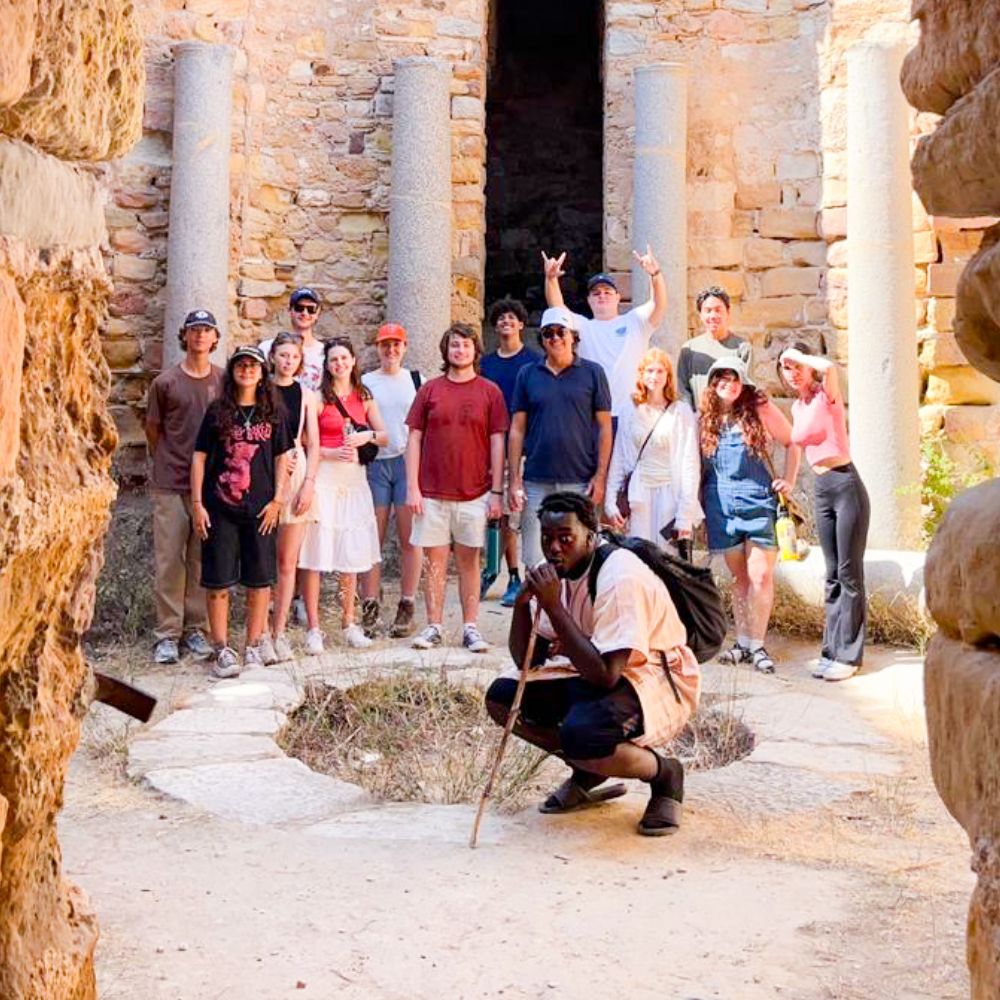
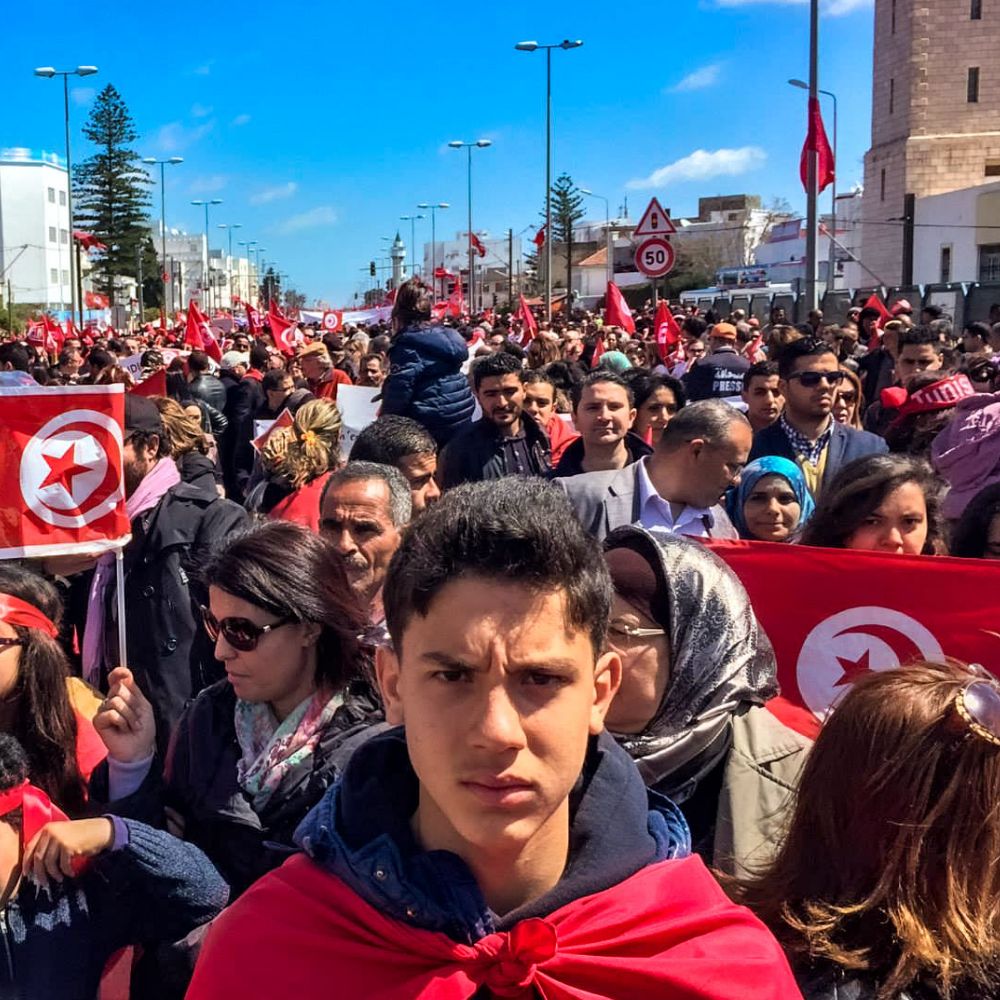
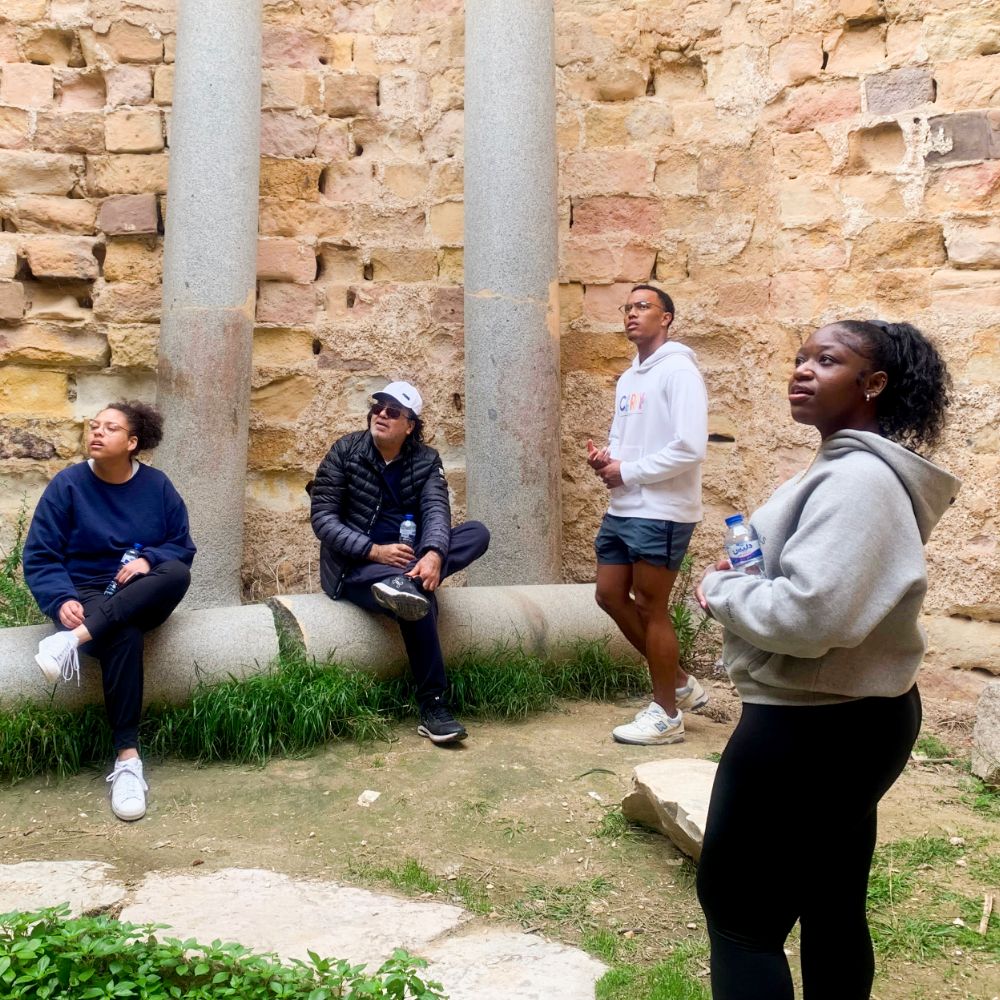
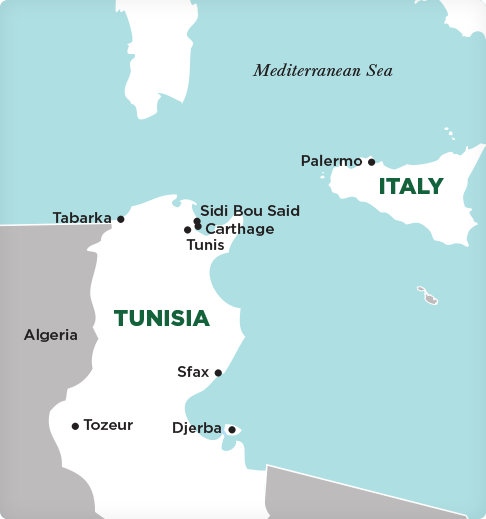
Tunisia and Italy sit at the crossroads of the Mediterranean region. Here, you will study the interplay between migration, regional politics, and religious relations. In Tunis, the country’s capital, the birthplace of the Arab Spring, you will examine Tunisia’s Jasmine Revolution and peaceful transition to democracy. During a three-week excursion to Sicily, a port of call for irregular migrants, you will explore issues of migration, meet with NGO activists and migrants and hear harrowing stories of the crossing of the Mediterranean Sea on makeshift boats. During the excursion to the south of Tunisia, you will visit the UNESCO World Heritage holy sites of Kairouan and spend nights in Amazigh troglodytes (cave dwellings) and on the UNESCO World Heritage Island of Djerba with its oldest synagogue (El-Ghriba) in the world and characteristic Abadi mosques. On the way back to Tunis, you will spend a night in the coastal city of Mahdia, the capital of the oldest Shia Dynasty in Islamic history.
Highlights
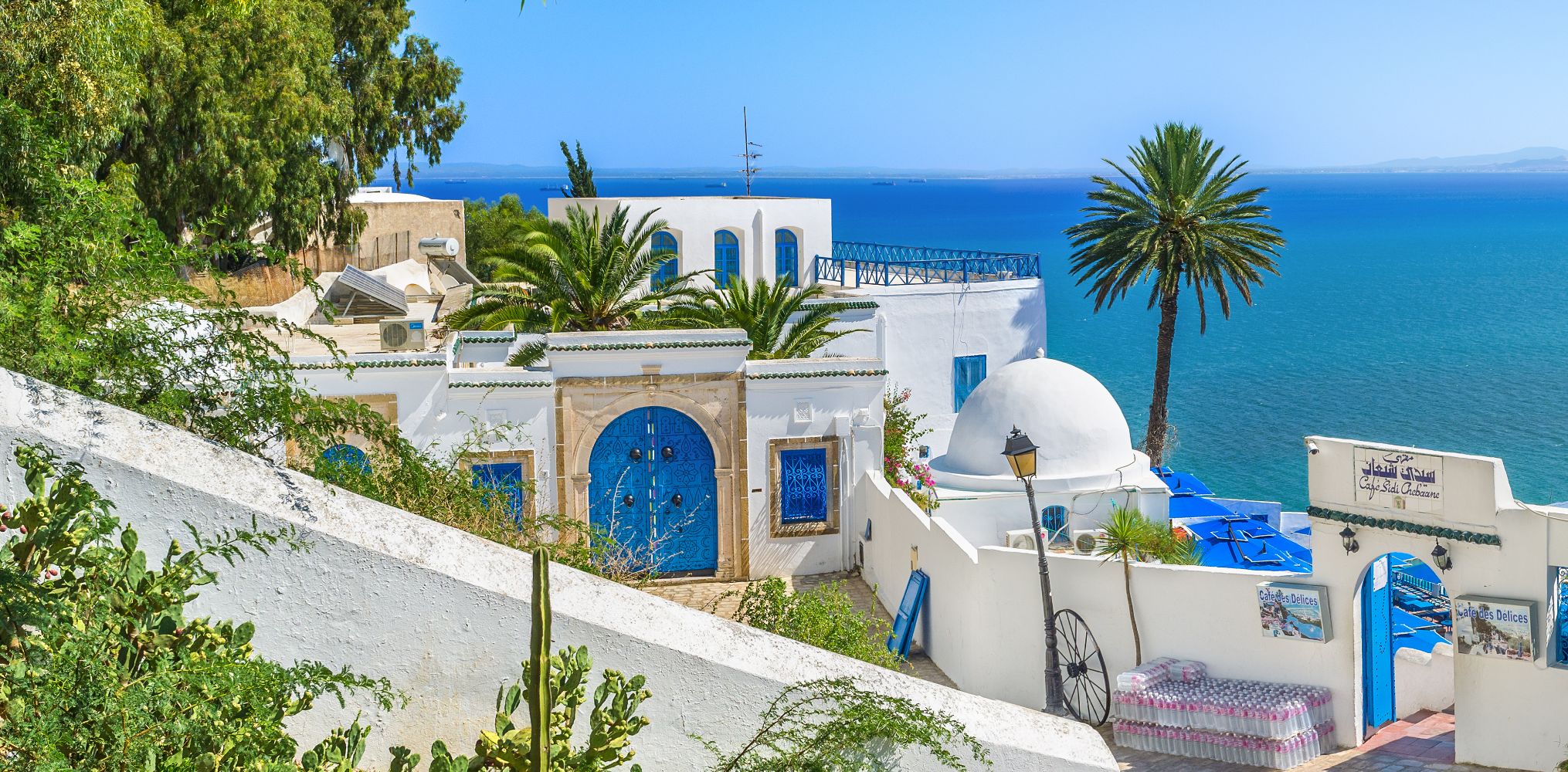
- Live in the charming coastal village of Sidi Bou Said.
- Spend three weeks in Sicily and meet with migration NGOs.
- Observe the impact of religious practice on social identity.
- Learn Arabic or French.
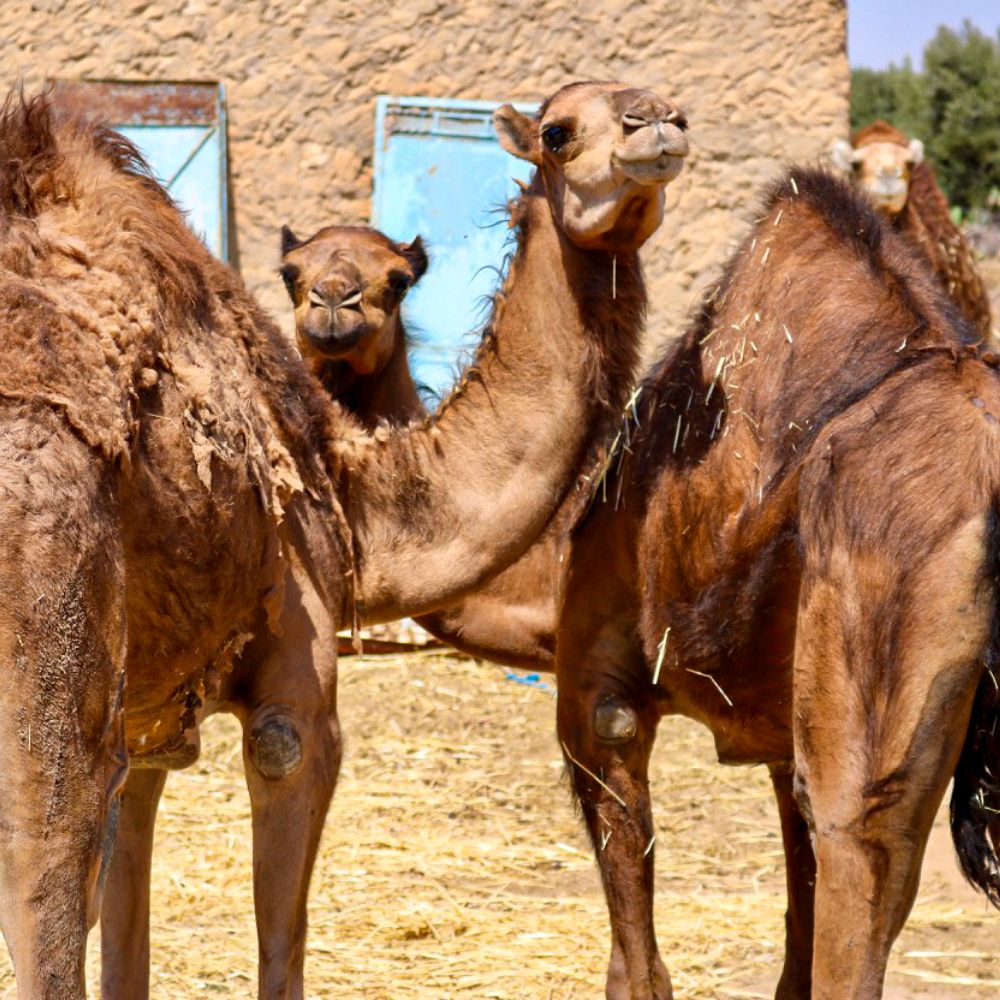
- Spend six days in the south of Tunisia and learn about local diversity.
Prerequisites
None. The program is of interest to students studying political science, international relations, international studies, migration and refugee studies, European studies, Middle Eastern Studies, religious studies, global studies, sociology, and anthropology. Students with some background in French will be able to practice at their homestay in Tunis.
Earn a Minor
Students studying on this SIT semester-length program can choose to simultaneously complete a minor, with no additional coursework or cost. At SIT, a minor is a minimum of 16 credits taken within a content area. This standout credential can help boost your future job or graduate school applications.
SIT's program in Tunisia offers the choice to do a minor in Mediterranean studies or international studies. You'll develop analytical skills in migration policy analysis, democratic transitions, and interfaith relations while engaging with civil society organizations, migrants, and NGO activists in Tunisia and Sicily. Through coursework on Euro-Mediterranean politics and migration governance, field visits to religious heritage sites and migration support organizations, and your Independent Study Project or internship, you'll examine democratic consolidation, irregular migration patterns, European Union asylum policies, and religious integration while analyzing how political transitions and cross-Mediterranean migration shape contemporary regional dynamics.
Find this program on social