SIT Study Abroad Logo

Morocco

Refugees, Health, and Humanitarian Action

Witness the massive humanitarian response to the regional refugee crisis, with a focus on refugee health and protection. Understand the normative strategic aspects and policy frameworks guiding refugee protection and humanitarian action during an excursion to Switzerland.

At a Glance

Credits

16

Prerequisites

None

Language of Study

Arabic

Courses taught in

English

Dates

Jan 25 – May 9

Program Countries

Morocco

Program Excursion Countries

Switzerland

Program Base

Rabat

Visa

Varies

Critical Global Issue of Study

Global Health & Well-being

Overview

Why study abroad in Morocco?

This program previously took place in Jordan. In light of the ongoing unrest across parts of the Middle East, we have made the decision to relocate the program to Morocco for the spring semester, with the safety and well-being of our students as our first priority.

Get a firsthand look at humanitarian action in Morocco and Switzerland. Morocco sits at one of the world’s most consequential migration crossroads, where routes from West and Central Africa meet Europe’s southern border, making it a unique setting in which to explore humanitarian response across sectors such as health, protection, food security, and water and sanitation. In Rabat, you’ll examine Morocco’s evolving asylum and migration framework, the protection needs of migrants and refugees in transit and in long-term limbo, and health and psychosocial interventions to improve the well-being of displaced populations. You’ll also consider how European border externalization shapes humanitarian practice on the African side of the Mediterranean. In Geneva, an international hub for UN agencies and international aid organizations, you will explore the international humanitarian architecture and global coordination mechanism, as well as contrasting integration and identity challenges of asylum seekers in Morocco and Switzerland. 

Highlights

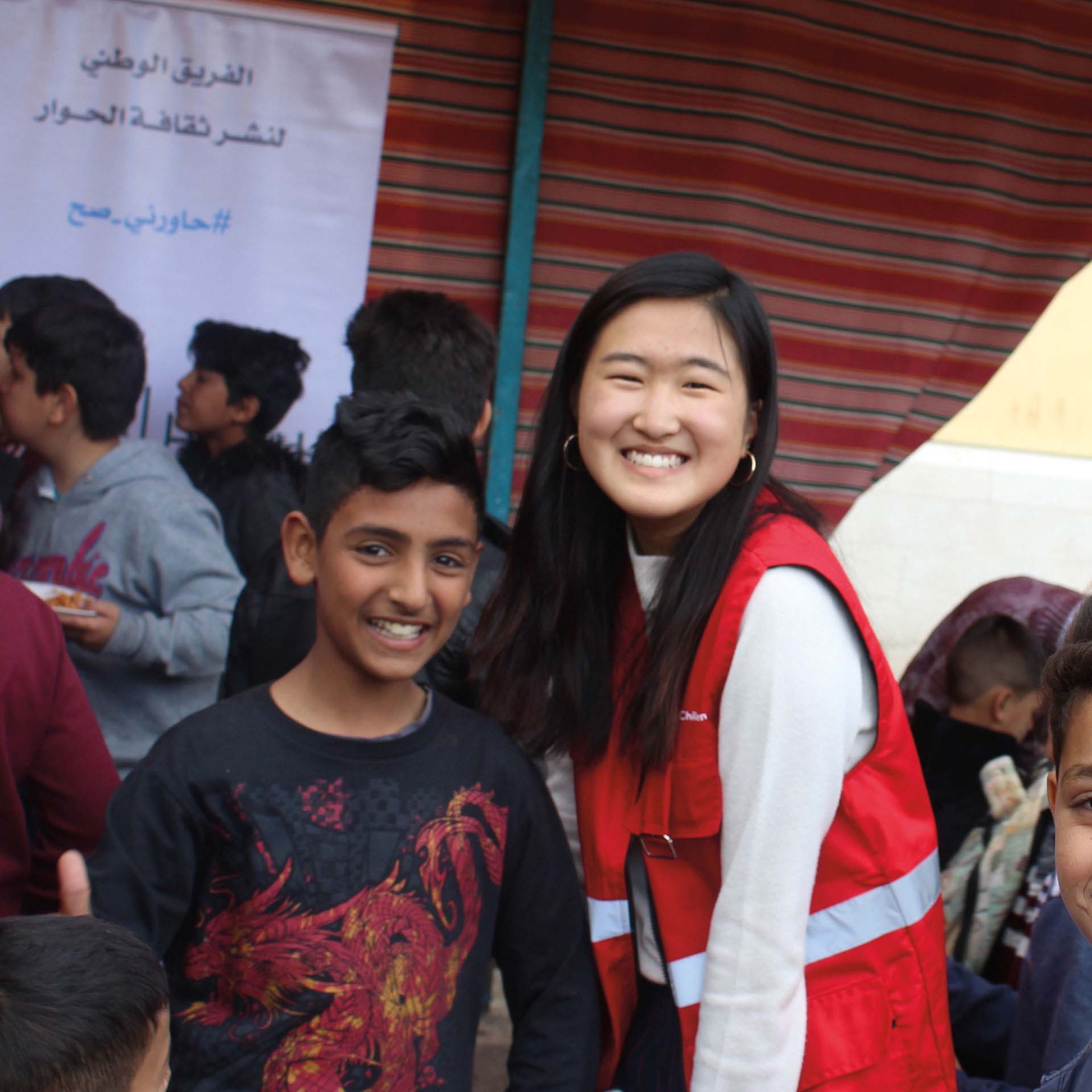
  • Visit NGOs and local CBOs to learn about risks of protection and well-being, and observe psychosocial and protection interventions to enhance the resilience of refugees displaced by regional conflict.
  • Travel to Geneva to learn from health and humanitarian policy experts.
  • Contrast humanitarian field work in Morocco to the broader legal, ethical, and policy frameworks guiding protection and humanitarian action in Switzerland.

Prerequisites

None

Earn a Minor

Students studying on this SIT semester-length program can choose to simultaneously complete a minor, with no additional coursework or cost. At SIT, a minor is a minimum of 16 credits taken within a content area. This standout credential can help boost your future job or graduate school applications.

SIT's program in Morocco offers the choice to do a minor in global health or refugee studies. You'll develop practical skills in needs assessment, evidence-based interventions, and protection strategies while engaging with UN agencies, international NGOs, and refugee communities in Rabat, Tangier, and Geneva. Through field visits to refugee camps and your Independent Study Project or internship, you'll examine humanitarian architecture, healthcare responses, psychosocial interventions, and health policies while improving your Arabic proficiency.

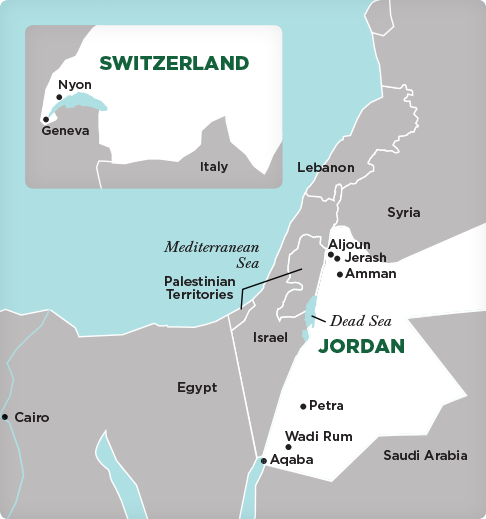
program map

Excursions

Northern Morocco

Tangier and the Strait of Gibraltar

At the narrowest crossing between Africa and Europe, Tangier is one of the places where the politics of migration are most visible. You’ll examine how European border policy is enacted on the African side of the Mediterranean, meet organizations working with migrants and refugees in transit, and consider what protection means for people living in prolonged uncertainty at a border they cannot cross. In the northern Moroccan town of Tangier, you will visit NGOs working with sub-Saharan migrants and marginalized youth, and those dealing with gender identity. You will witness the impact of migration and remittances on urbanization and rural development.

Southern Morocco

Marrakech and Essaouira

Morocco’s southern cities show how migration shapes urban life beyond the border. You’ll explore how migrants and refugees from West and Central Africa build livelihoods, navigate access to health care and schooling, and form community networks — and how local organizations respond where formal humanitarian infrastructure is thin. You will visit cooperatives and associations working on issues of women’s empowerment, sustainable development, and the politics of identity with particular emphasis on Amazigh and migrant culture. In Marrakech, you will visit NGOs providing humanitarian support to earthquake survivors. This visit will provide a unique opportunity to learn about the response to the earthquake and its impact on local communities.

Switzerland

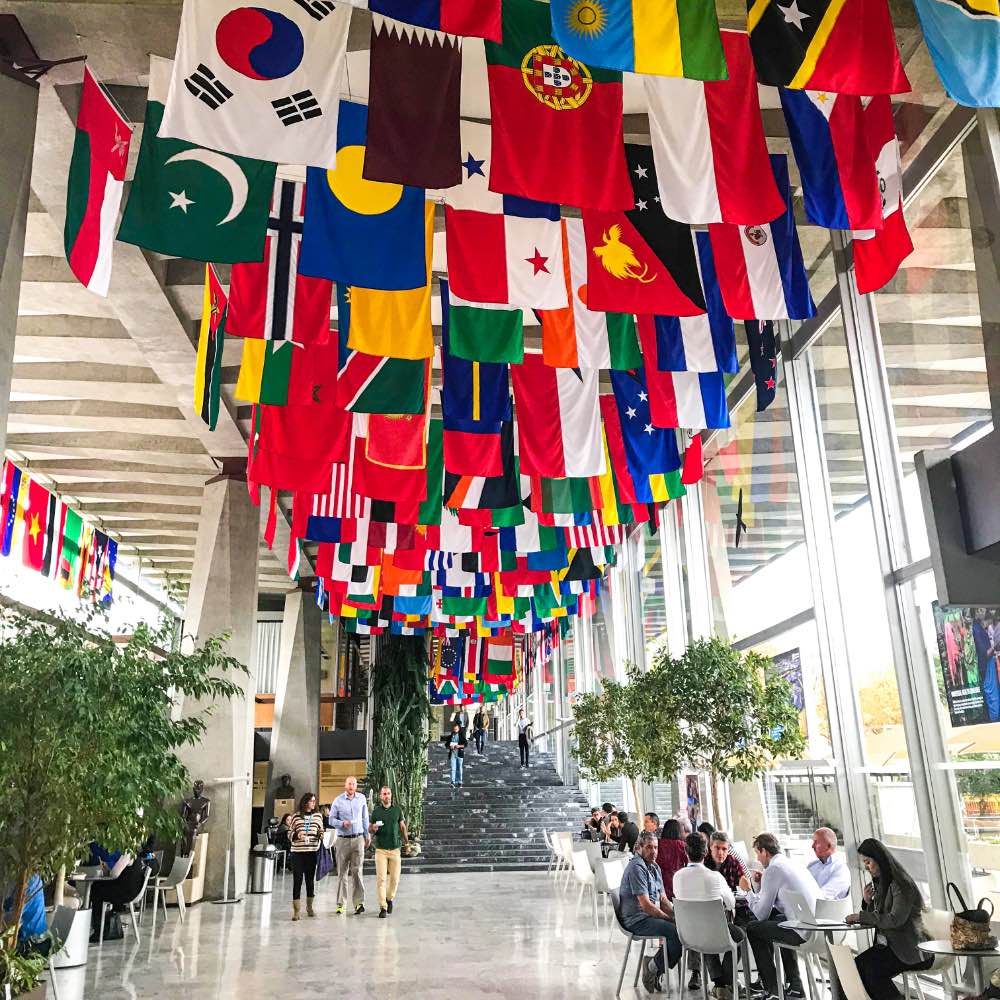
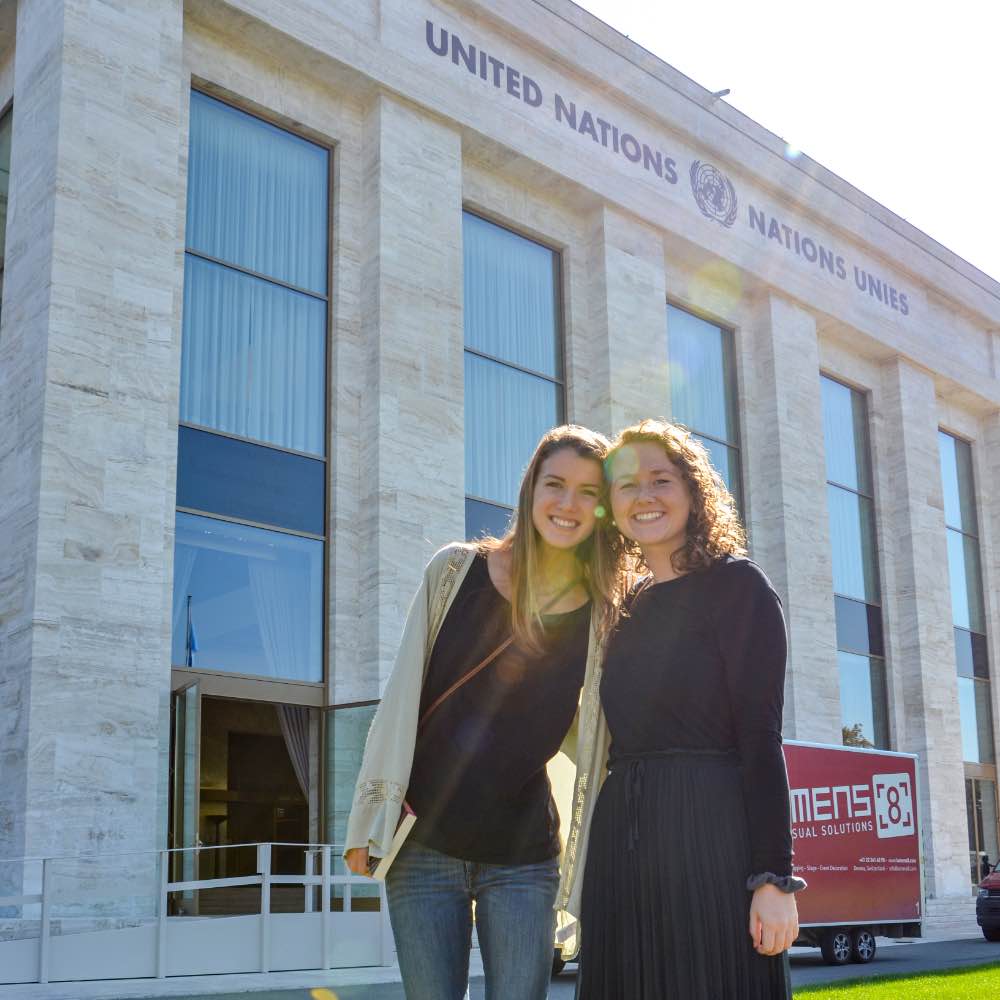
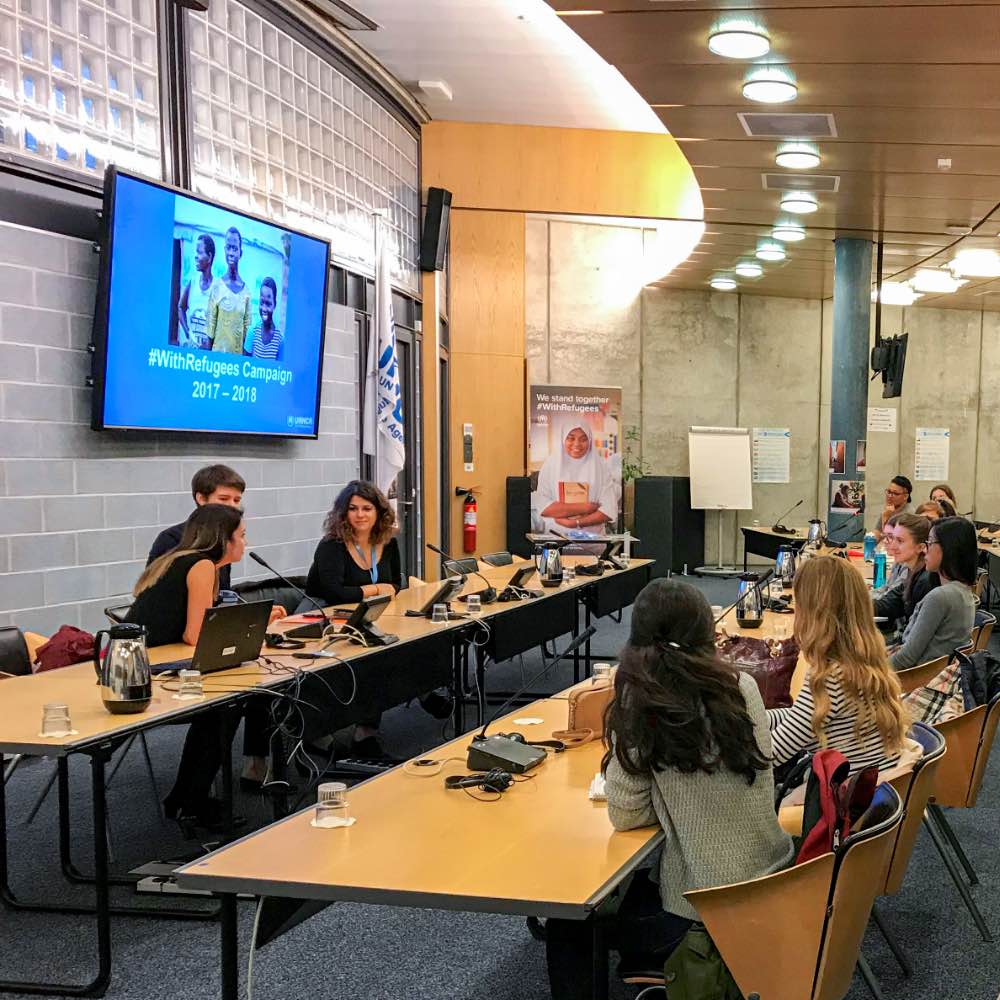
You will spend most of your stay in the capital, Geneva. Here, you’ll have the opportunity to engage with experts about the international refugee system and learn about the challenges facing health relief agencies providing refugee protection and assistance. You’ll visit the UN High Commissioner for Refugees, the International Committee of the Red Cross, the World Health Organization, and the UN Office at Geneva.

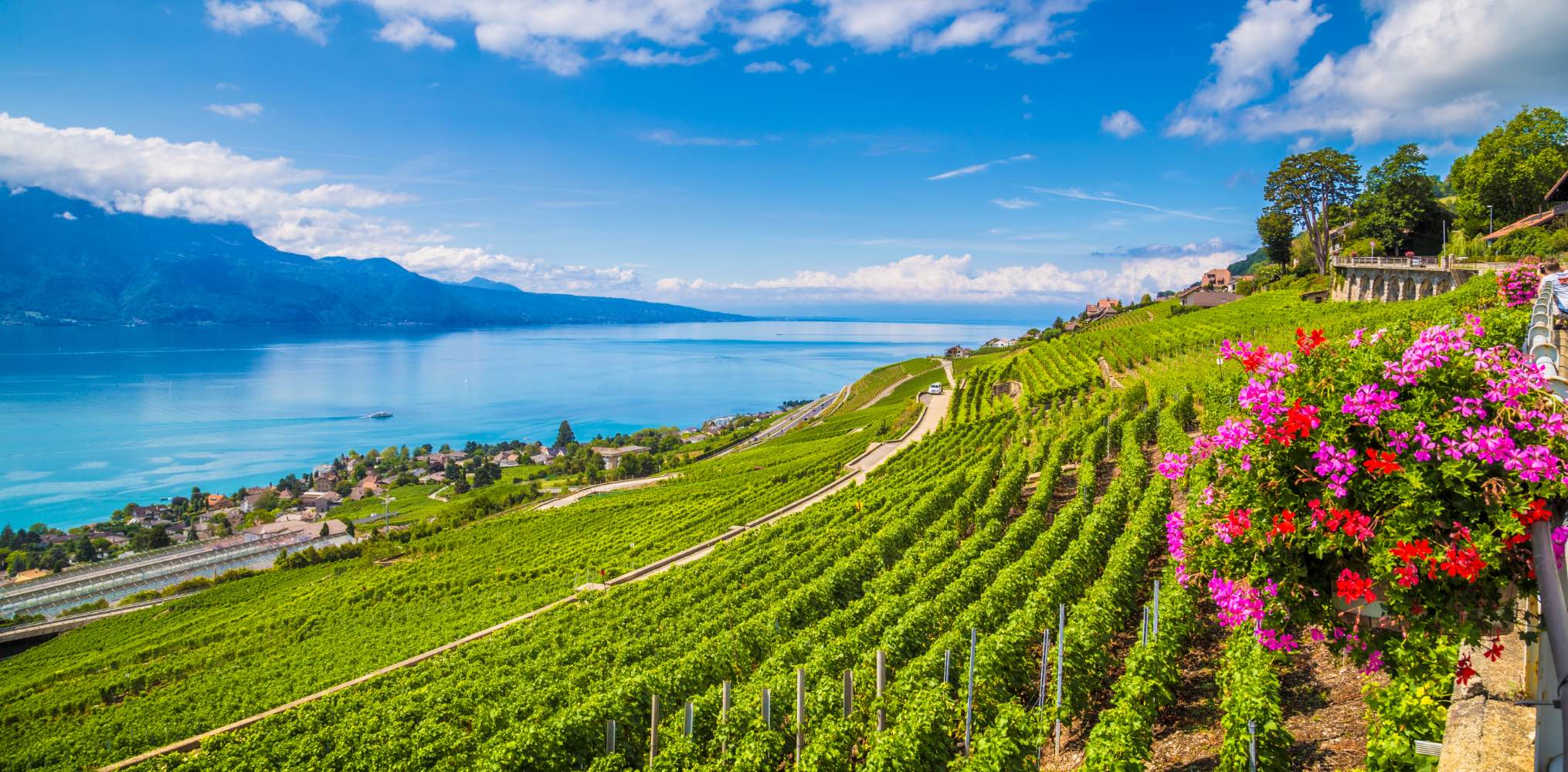
Explore Old Geneva with its quaint chateaus and fine arts museums. Enjoy a cruise along the shores of Lake Geneva and experience the city’s rich history, architecture, and cuisine. You’ll have time to explore Bern, Switzerland’s capital: Its entire old city is a UNESCO World Heritage Site, with medieval shop-lined streets, cathedrals, and the clock tower or Zytglogge.

Please note that SIT will make every effort to maintain its programs as described. To respond to emergent situations, however, SIT may have to change or cancel programs.

Academics

Program Learning Outcomes

Upon successful completion of the program, students will be able to:

  • Critique the humanitarian system including humanitarian principles, standards, architecture, and politicization from an ethical lens.
  • Evaluate the integration and identity challenges of refugees in Morocco and Switzerland.
  • Evaluate the healthcare response available to refugees in Morocco in relation to universally accepted professional standards.
  • Examine ethical, gender-sensitive, resilience-building, and community-based humanitarian interventions.
  • Articulate protection and well-being challenges facing refugees and displaced communities.
  • Apply field methods for needs assessment and evidence-based protection and psychosocial interventions.
  • Synthesize the learning acquired on the program in an Independent Study Project or internship experience paper.

Read more about Program Learning Outcomes.


Coursework

Access virtual library guide.

The following syllabi are representative of this program. Because courses develop and change over time to take advantage of dynamic learning opportunities, actual course content will vary from term to term.

The syllabi can be useful for students, faculty, and study abroad offices in assessing credit transfer. Read more about credit transfer.

Please expand the sections below to see detailed course information, including course codes, credits, overviews, and syllabi.


Key Topics

  • Protection policies and challenges of refugees and displaced populations in the Middle East and North Africa.
  • bullet list icon
  • Principled and evidence-based humanitarian response and interventions in health, nutrition, education and protection sectors.
  • bullet list icon
  • The role of UN and international relief agencies in refugee assistance and humanitarian action
  • bullet list icon
  • Principles and legal frameworks governing humanitarian action.

Refugees and Displaced Populations in the Context of Jordan and the MENA Region

Refugees and Displaced Populations in the Context of Jordan and the MENA Region – syllabus
(MDES3000 / 3 credits)

This seminar introduces students to the principles, guidelines, and laws related to refugee protection. The seminar also explores the major issues refugees face, such as identity challenges, social integration, and cultural-contextual change, as well as the social, economic, and security impact of the successive waves of refugees on Jordan. Policies and interventions to prevent and respond to gender-related and child risks will be explored in depth.

Arabic

Beginning Modern Standard Arabic – syllabus
(ARAB1006-1506 / 6 credits)

Intermediate Modern Standard Arabic – syllabus
(ARAB2006-2506 / 6 credits)

Advanced Modern Standard Arabic – syllabus
(ARAB3006-3506 / 6 credits)

The language course is offered at different levels: Choose to take either two thematic seminars and a 3-credit language course OR the thematic seminar Refugees and Displaced Populations in the Context of Jordan and the MENA Region, and a six-credit language course.

The language course emphasizes speaking, reading, and writing skills in Modern Standard Arabic (fusha) through classroom and field instruction. Students are placed in intensive beginning, intermediate, or advanced classes based on in-country evaluation, including oral proficiency testing. A component on Moroccan Colloquial Arabic is also part of the course.

Arabic and Refugee Health and Humanitarian Action

Beginning Modern Standard Arabic – syllabus
(ARAB1003-1503 / 3 credits)

Intermediate Modern Standard Arabic – syllabus
(ARAB2003-2503 / 3 credits)

Advanced Modern Standard Arabic – syllabus
(ARAB3003-3503 / 3 credits)

The language course is offered at different levels: Choose to take either two thematic seminars and a 3-credit language course OR the thematic seminar Refugees and Displaced Populations in the Context of Jordan and the MENA Region, and a six-credit language course.

AND

Refugee Health and Humanitarian Action – syllabus
(MDES3500 / 3 credits)

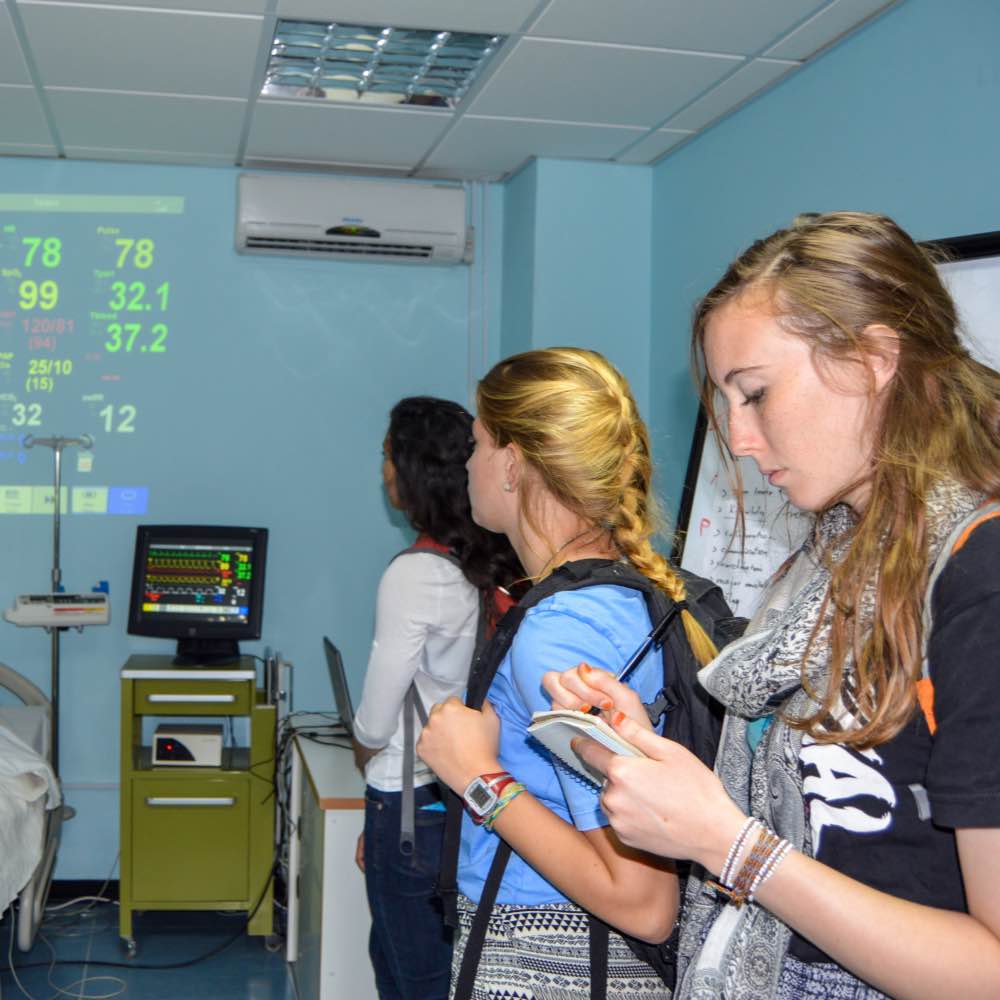
This seminar examines firsthand the humanitarian response taking place in Jordan and the region to provide aid to Syrian refugees, with special emphasis on the health, WASH, and nutrition sectors. The seminar also addresses the health response to migrant and asylum seekers in the MENA region. The seminar addresses the principles, rights, and standards governing humanitarian action and investigates the challenges of providing assistance to refugees. The health status, risk factors, health policies, actors, and services available to refugees, including sexual and reproductive health, child health, mental health, communicable and noncommunicable diseases will be addressed. There will be a special emphasis on vulnerable groups including women, children, and people with disabilities.

Social Science Methods and Ethics in Global Contexts or Global Organizational Culture and Ethics

Social Science Methods and Ethics – syllabus
(RSCH3500 / 3 credits)

This course is designed to introduce you to the methodological tools used by social scientists to conduct empirically groundedtheoretically engaged research. The course will cover the basic elements of research design, the role of theory in empirical research, and the ethics for social scientific research, with particular attention to the complex ethical considerations that arise when conducting research in international and cross-cultural contexts. Students will gain hands-on experience with both basic quantitative and qualitative methods, with the flexibility to emphasize their preferred methodological approach in their final work. Using this project-based approach, the course will prepare you to design and execute social science research projects while developing competency across methodological traditions.

OR 

Global Organizational Culture and Ethics – syllabus (GOCE3500/3 credits)

This course equips students to engage meaningfully and ethically in internship experiences across diverse sociopolitical, cultural, environmental, and global contexts. Using a critical, practice-based approach, students examine the nature and purpose of internships as transformative experiential learning opportunities that connect to the program’s Critical Global Issue theme. Emphasis is placed on navigating workplace and organizational cultures, reflecting on identity and positionality in professional settings, and applying ethical principles to working globally with communities, individuals, and environments—particularly in collaboration with vulnerable populations and in sensitive ecological or habitat settings.

Independent Study Project or Internship

Independent Study Project
Independent Study Project – syllabus
(ISPR3000 / 4 credits)
The Independent Study Project is conducted in Amman or another approved location in Jordan appropriate to the project. Sample topic areas: mental healthcare provision available to various populations, including refugees; the effect of daily stressors on Syrian refugee women; consequences of displacement on increased risks of domestic violence and gender-based violence; malnutrition in refugee children; refugee women’s empowerment and protection.

Sample ISP topic areas:

  • The effect of refugees on the health system in Jordan.
  • Impact of water shortage on the health of refugees.
  • Refugees’ resilience and integration.
  • The impact of drama on the well-being of refugees.

Browse this program’s Independent Study Projects / undergraduate research.

OR

Internship and Seminar
Internship and Seminar – syllabus
(ITRN 3000 / 4 credits)
This seminar consists of a four-week internship with a local, national or international NGO that provides humanitarian interventions to refugees and disadvantaged local communities in various sectors, including health, protection, WASH, and nutrition; a research organization; a business or an international development agency. The aim of the internship is to enable students to gain valuable professional and personal development experience and enhance their skills in an international professional environment.

Sample internships include:

  • Assisting in GBV and child protection projects with the the Moroccan Family Planning Association
  • Working with the Democratic Association of Moroccan Women
  • Participating in economic development projects for refugees
  • Interning with the Hadaf Society for Special Needs

Housing

Rabat

You will live with a Moroccan homestay family in Rabat for the first two months of the program, except during excursions. The homestay is a unique opportunity to become a member of a Moroccan family, share meals with them, and take part in special occasions. Morocco is known for its warm hospitality. You’ll be immersed in Moroccan culture and will gain an understanding of your host family’s perspectives and values — all while practicing your Arabic language skills. When the ISP/internship period begins, you’ll have more flexibility: you may choose to remain with your homestay family or rent an apartment and experience living more independently in Morocco.

Most homestay families are middle class and maintain the customs of a typical Moroccan home. You may get to experience a Moroccan wedding, a religious holiday, or other traditional cultural activity in addition to family outings.

Faculty & Staff

Morocco: Refugees, Health, and Humanitarian Action

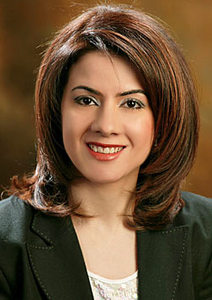
Bayan Abdulhaq, PhD bio link
Bayan Abdulhaq, PhD
Academic Director
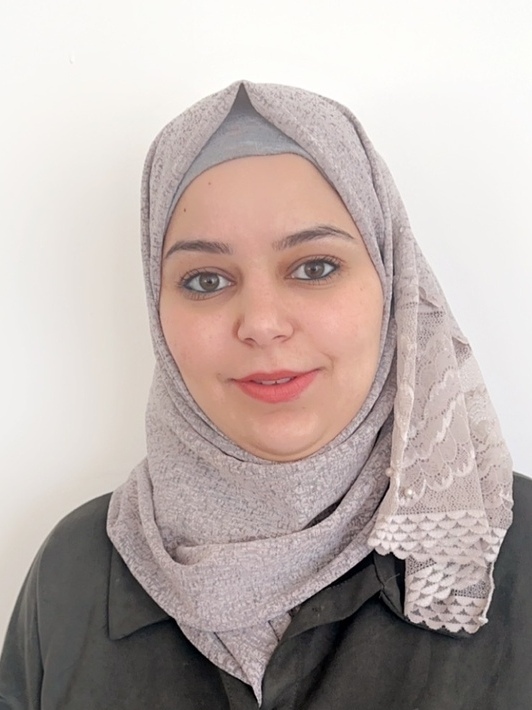
Farah Hasasneh bio link
Farah Hasasneh
Language Coordinator and Instructor
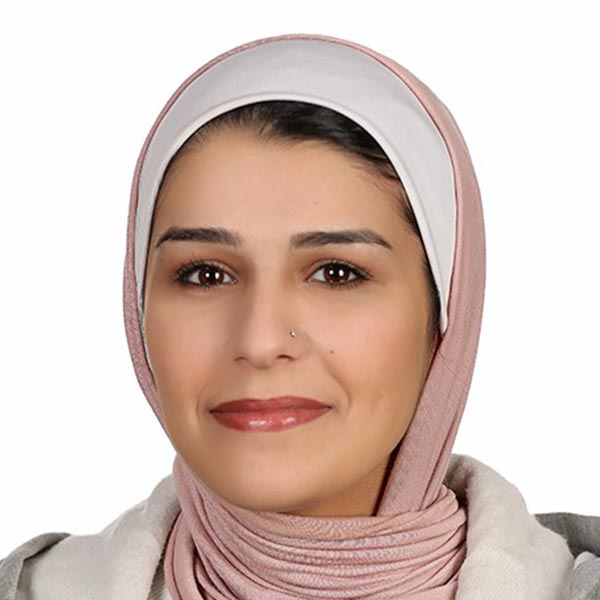
Razan Amirah bio link
Razan Amirah
Program Assistant

Discover the Possibilities

  • Cost & Scholarships

    SIT Study Abroad is committed to ensuring that international education is within reach for all students. We believe in the transformative power of immersive, intercultural experiences and are dedicated to supporting students in their educational journey.

    See All Costs
  • HEALTH, SAFETY & ACCESS

    A critical step in preparing for your study abroad program is planning how you will maintain your health and wellbeing. Please review the following information carefully and contact [email protected] with any questions or concerns.

    Learn More
  • Visa Requirements

    Depending on your passport of origin, you may need a visa for this program. Please contact your admissions officer for more information.

ZL4H2-rPBfk
  • In Jordan, study abroad student sees through a new lens

    SIT alum Isabella Cronin explained what it was like to see the Za’atari Refugee Camp in person, the world’s largest camp for Syrian refugees.

    Read more