

Credits
16
Prerequisites
None
Language of Study
Italian
Courses taught in
English
Dates
Aug 31 – Dec 13
Program Countries
Italy
Program Base
Palermo, Italy
Visa
Required
Critical Global Issue of Study
Climate & Environment


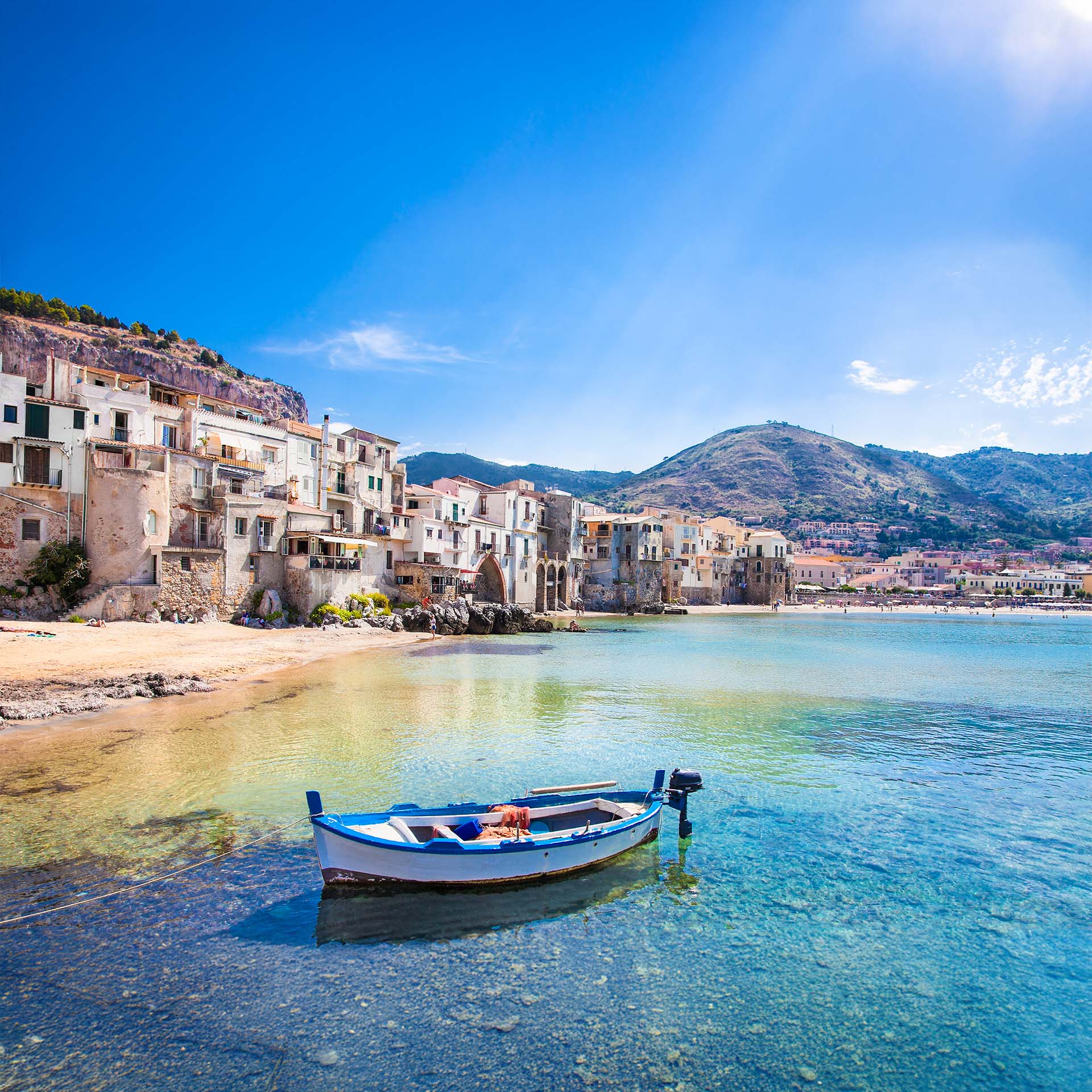
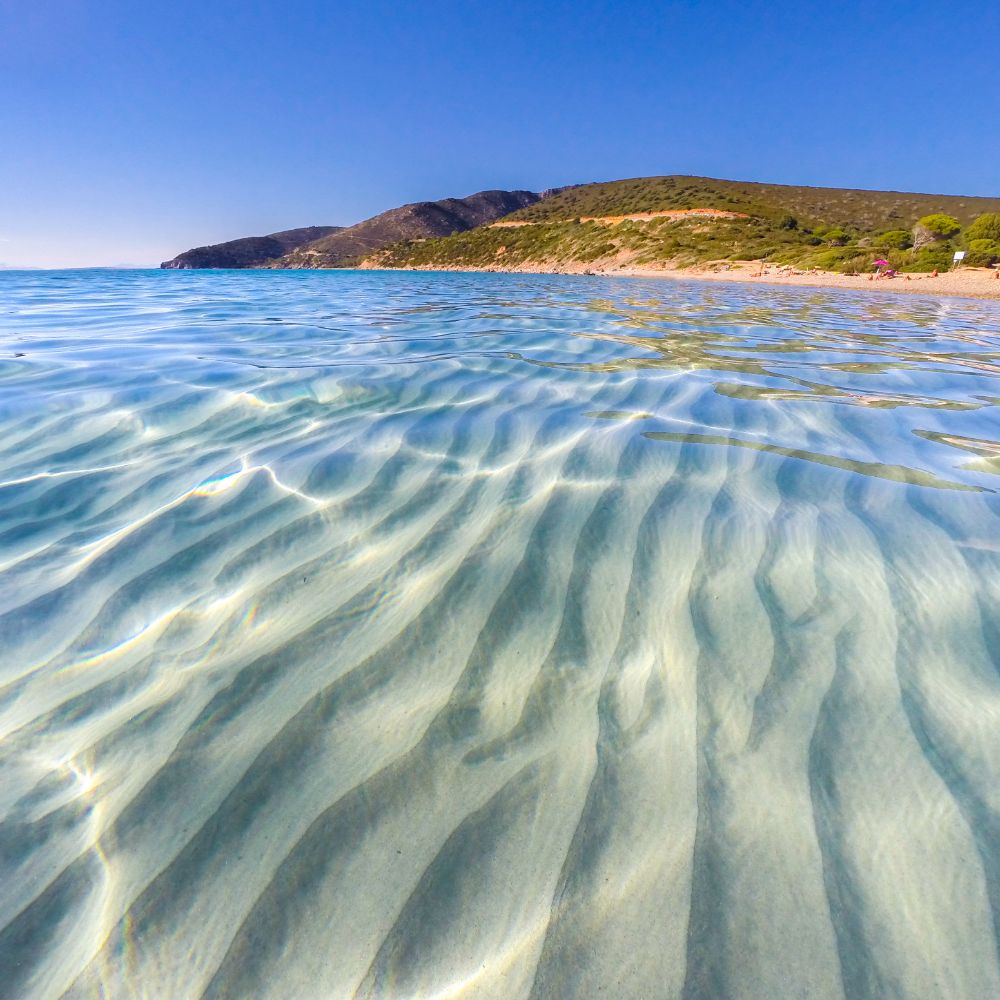
Explore the marine and coastal ecosystems of Sicily and Sardinia while uncovering the secrets of island biodiversity and climate resilience.

16
None
Italian
English
Aug 31 – Dec 13
Italy
Palermo, Italy
Required
Climate & Environment
From the volcanic landscapes of Mount Etna to the ancient cork oak forests of Sardinia, this program is an expedition into the heart of Mediterranean biodiversity. Sicily and Sardinia have been continuously farmed, fished, and settled for thousands of years. By ecological logic, they should be depleted. Instead, they are two of the most biodiverse places in Europe, with hundreds of species found nowhere else on Earth.
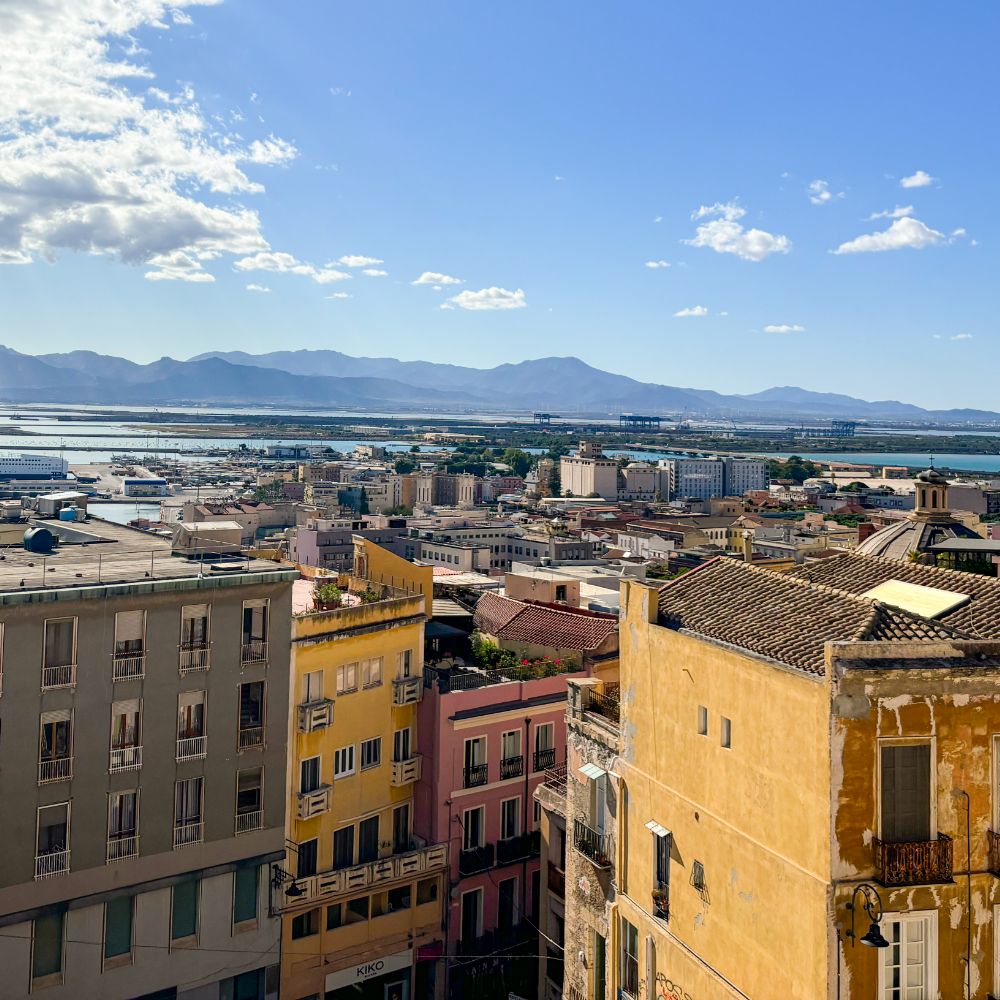
Your base will be Palermo, Sicily’s largest urban center, known for its rich cultural heritage and access to diverse ecosystems. You will also spend time in Cagliari, Sardinia, where you’ll investigate coastal management, wetland restoration, and sustainable resource practices in cork oak forests. Throughout both locations, expert guest lectures from researchers at the Universities of Palermo and Cagliari, along with local community partners will provide insights into ongoing conservation projects.
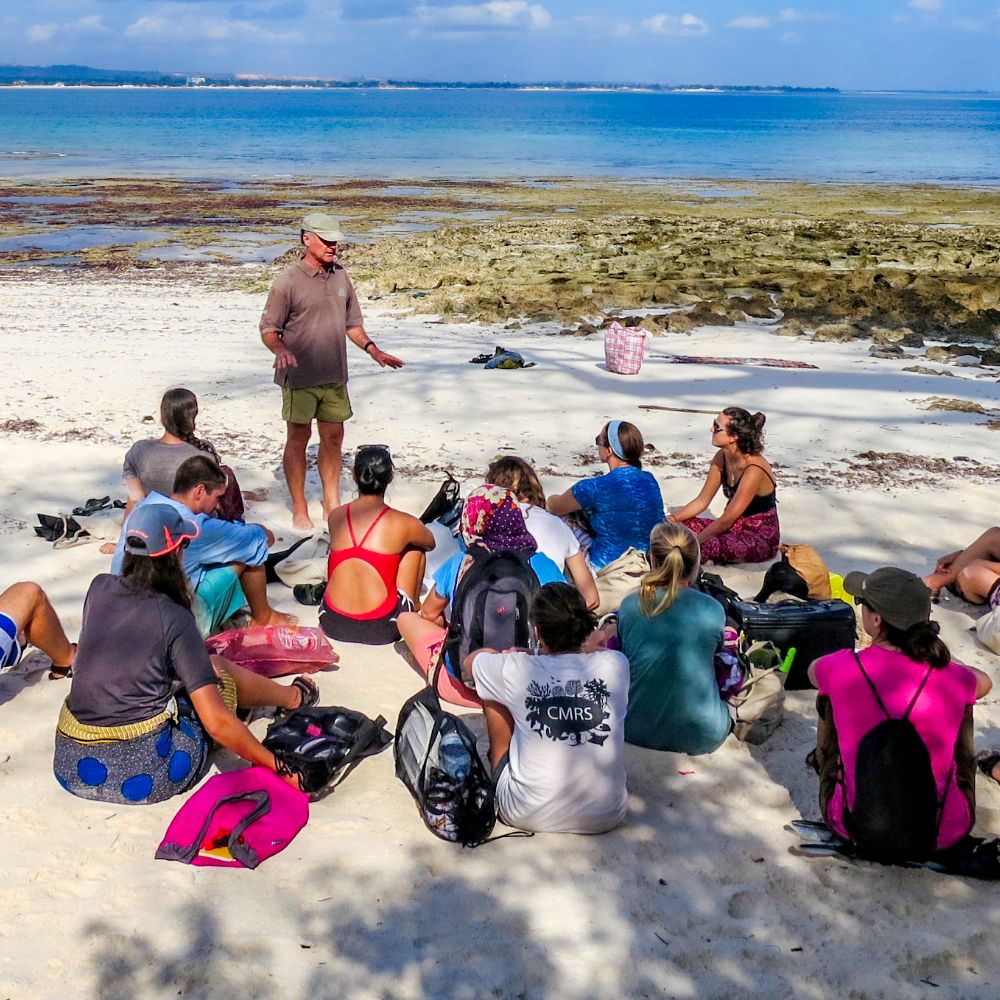
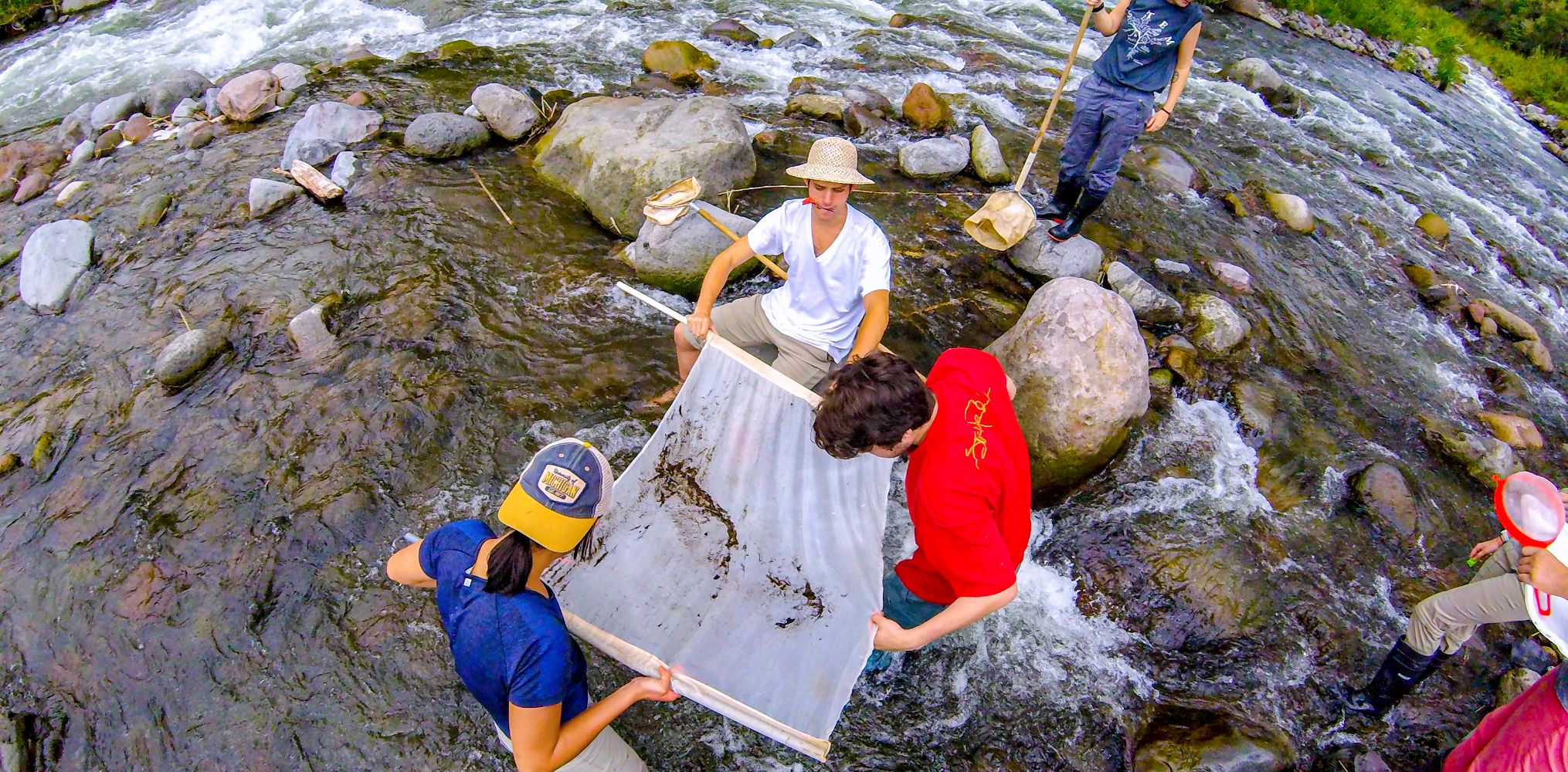
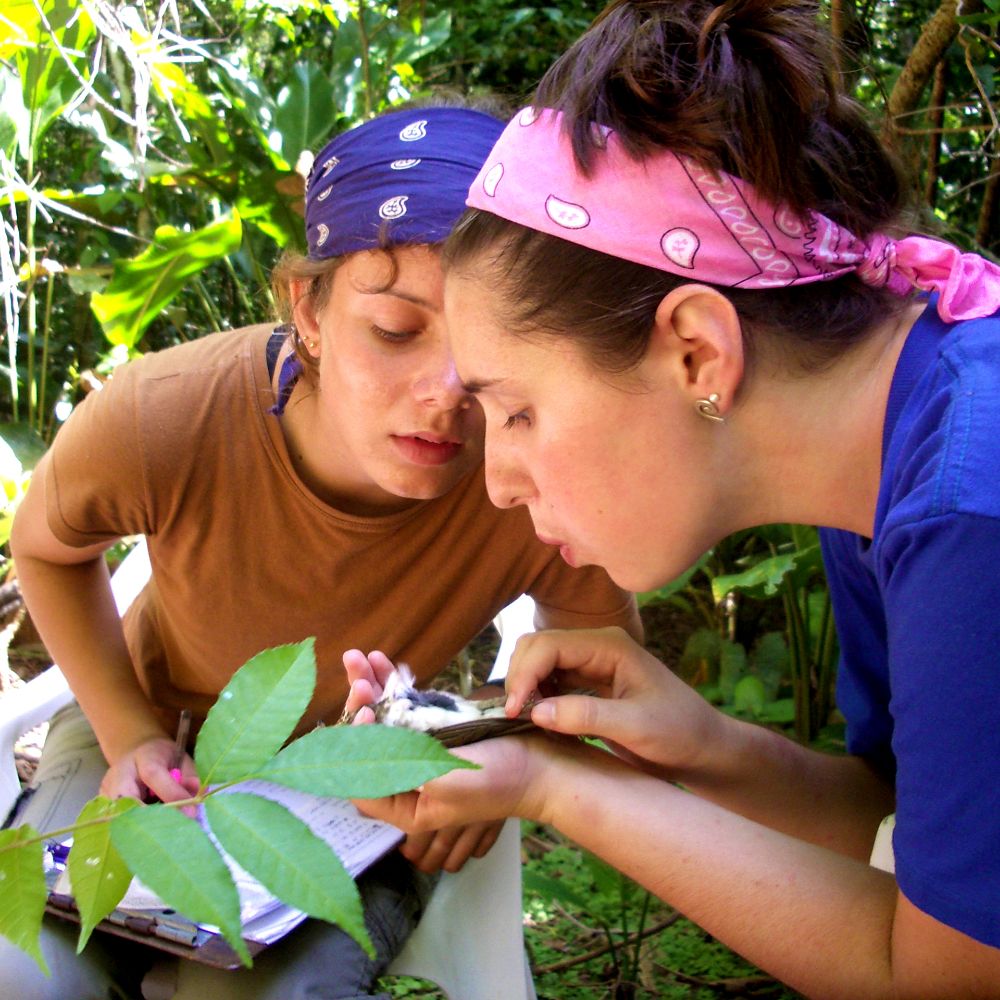
Throughout the program, you’ll engage in hands-on field research, comparing local perceptions of environmental change with long-term data. Choose between environmental science or environmental social science: One track dives into the science, asking bold questions about how these ecosystems function and thrive. The other explores the human story, unpacking the social and political forces that have shaped them over centuries. You’ll spend the final weeks of the program either conducting original field research or working directly inside a conservation organization or research institute in Sicily, producing work that is actionable and genuinely useful to the communities and organizations you have been working alongside.
Whether you’re passionate about marine ecosystems, sustainable agriculture, or climate resilience, this program brings together STEM and social science in a dynamic, immersive experience.
None
Students studying on this SIT semester-length program can choose to simultaneously complete a minor, with no additional coursework or cost. At SIT, a minor is a minimum of 16 credits taken within a content area. This standout credential can help boost your future job or graduate school applications.
SIT's program in Palermo, Italy, offers the choice to do a minor in island studies or global environmental studies. You’ll develop practical skills in marine and coastal research, biodiversity assessment, and apply environmental field research methods across Sicily and Sardinia's unique island ecosystems while studying endemic species adaptation and conservation strategies in Mediterranean environments.
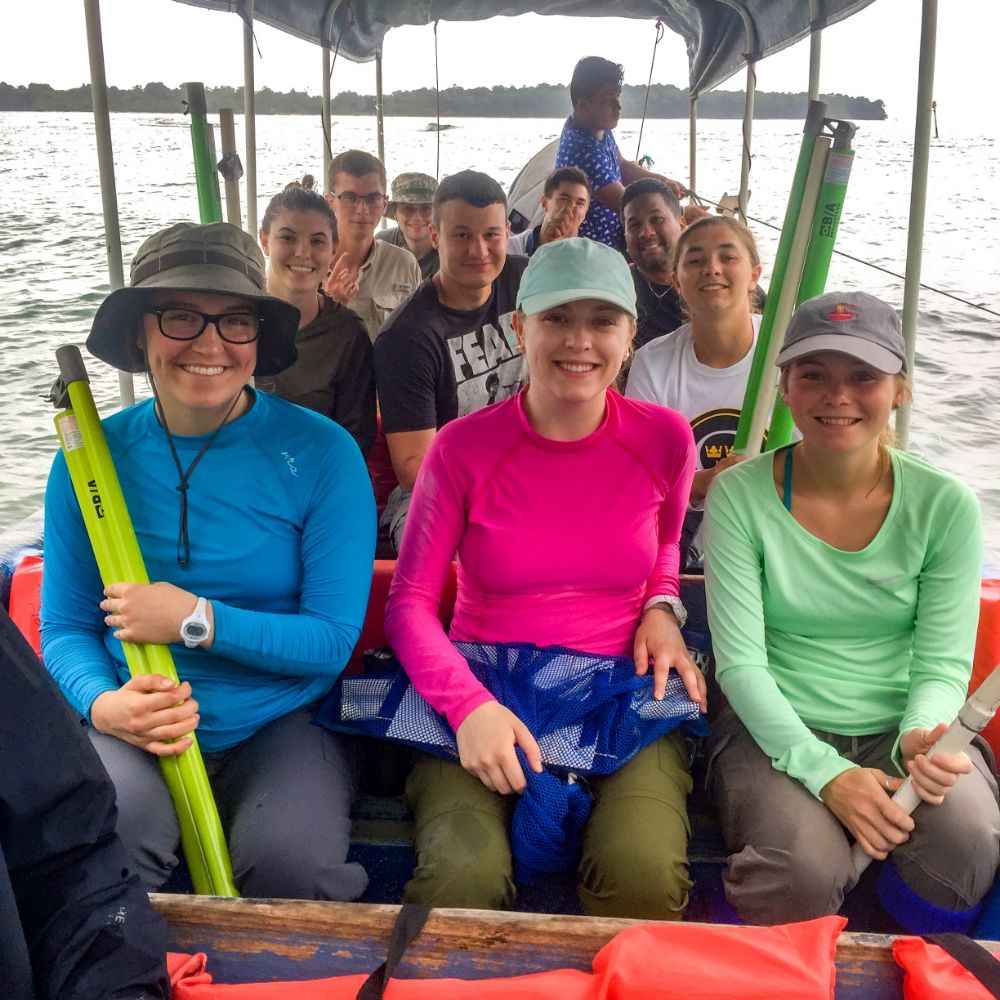
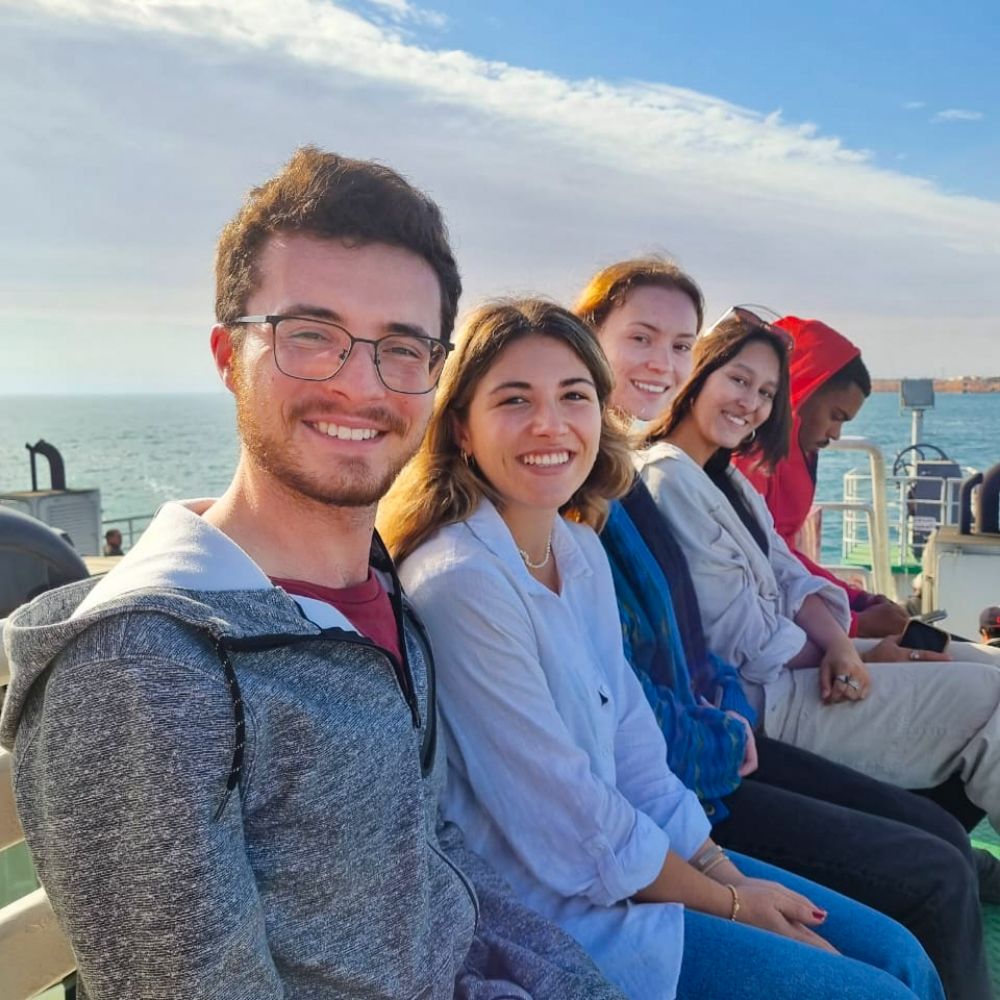
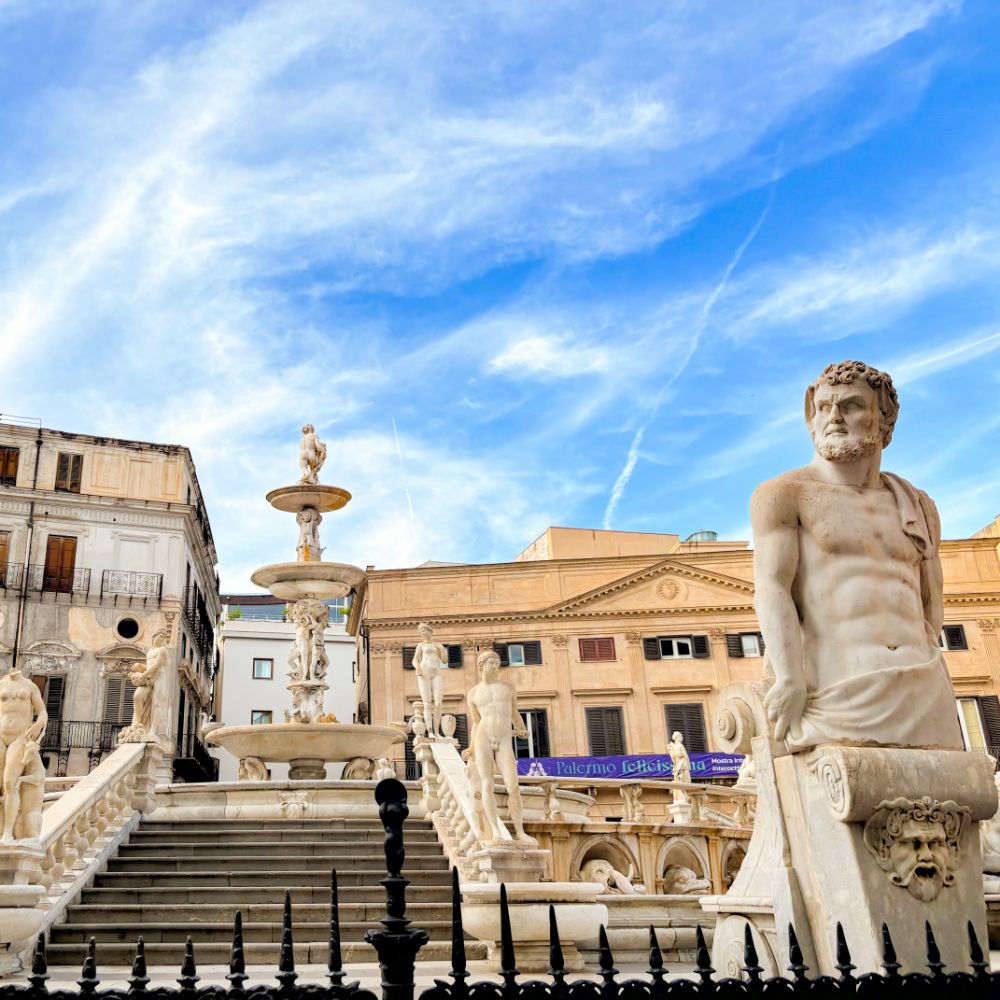
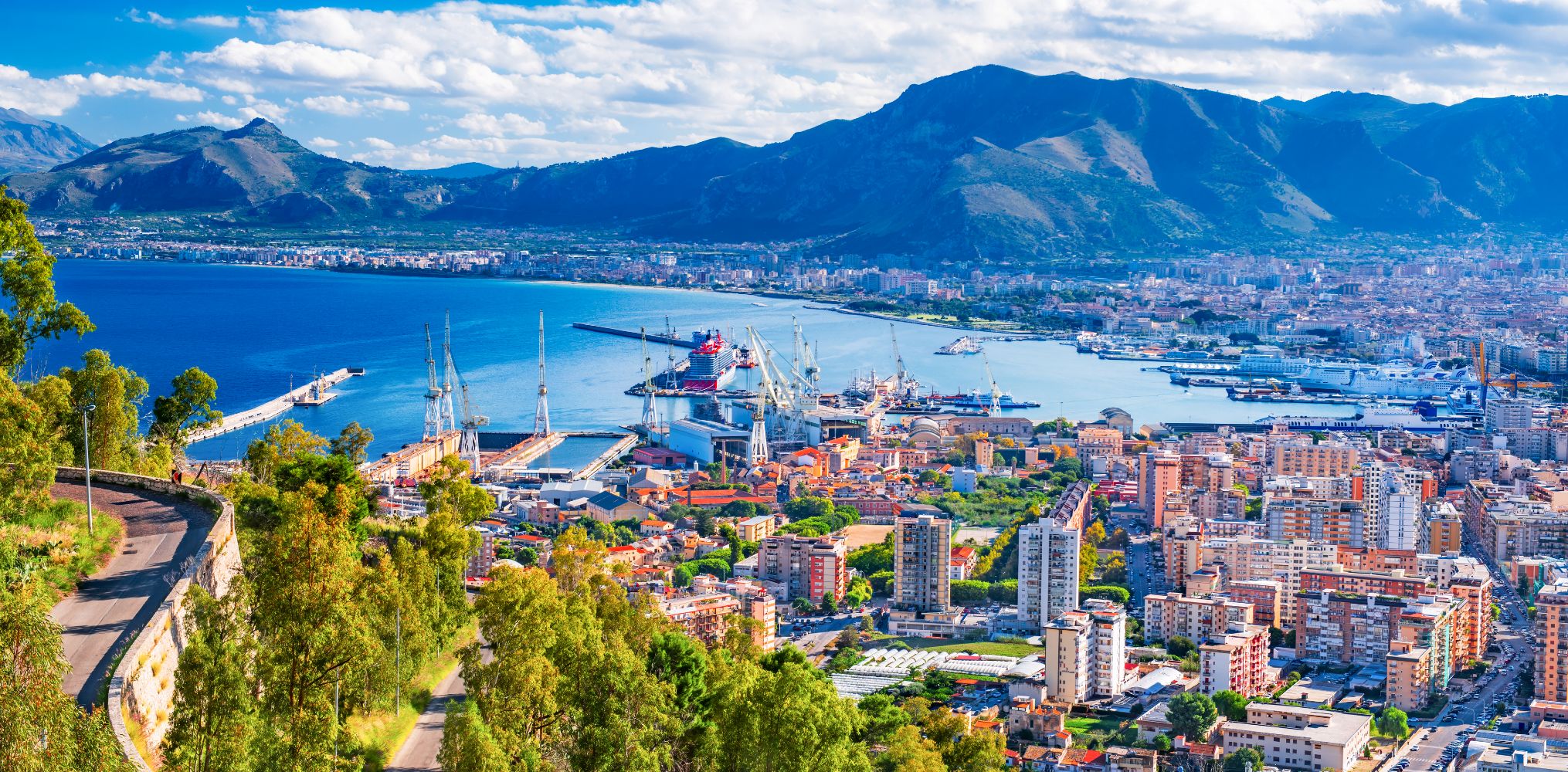
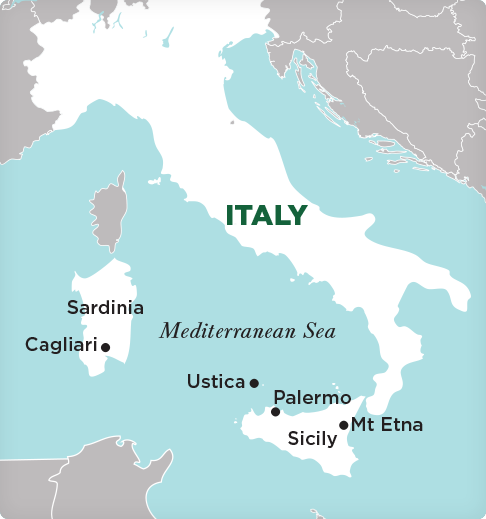


In Sicily, you will explore geographically significant sites:
In Sardinia, you’ll visit incredible sites:
Please note that SIT will make every effort to maintain its programs as described. To respond to emergent situations, however, SIT may have to change or cancel programs.
Upon completion of the program, students will be able to:
The following syllabi are representative of this program. Because courses develop and change over time to take advantage of dynamic learning opportunities, actual course content will vary from term to term.
The syllabi can be useful for students, faculty, and study abroad offices in assessing credit transfer. Read more about credit transfer.


Mediterranean Island Ecosystems – view syllabus
(ENVI – 3000/3 credits)
Geographic isolation shapes species distribution, evolution, and diversity across island habitats. This course examines these phenomena through field experiences in Sicily and Sardinia, where Mediterranean isolation has created unique ecological laboratories. Students investigate how factors like island size, mainland distance, and geological history influence species colonization and adaptation. The course explores the intersection of natural processes with millennia of human presence, creating complex socio-ecological systems. Through engagement with local communities, students discover how island characteristics shape both biological and cultural diversity, informing conservation efforts amid climate change.
Choose between the following two courses:
Technology-Driven Solutions for Mediterranean Ecosystems
(ENVI – 3250/3 credits)
This solutions-oriented course explores innovative strategies addressing Mediterranean island ecosystem challenges through immersive fieldwork in Sicily and Sardinia. Students engage with issues including water scarcity, soil degradation, and biodiversity loss. Technology is approached as applied knowledge to enhance ecological wellbeing. Learning from researchers and conservation professionals, students experience data-driven decision-making and emerging technologies that support ecosystem health, gaining firsthand exposure to science-based solutions.
OR
Community-Driven Sustainability on Mediterranean Islands – view syllabus
(IDST – 3250/3 credits)
Island communities face distinct environmental challenges: increasing water scarcity, changing rainfall patterns, soil degradation, and coastal erosion. Yet these island communities also hold centuries of local knowledge about living sustainably in Mediterranean landscapes. Through engagement with farmers maintaining ancient groves, and communities managing shared water resources, students learn how local practices maintain environmental balance in fragile island ecosystems. Through direct participation in community initiatives, we examine how local knowledge can inform approaches to current environmental challenges.
Italian I – view syllabus
(ITAL – 1003/3 credits)
Italian II – view syllabus
(ITAL – 2003/3 credits)
Italian III – view syllabus
(ITAL – 3003/3 credits)
Emphasis on speaking and comprehension skills through classroom and field instruction. Students are placed in beginning or intermediate classes based on in-country evaluation, including oral proficiency testing.
Environmental Research Methods and Ethics
(ENVI – 3500/3 credits)
The Environmental Research Methods and Ethics seminar equips students for research in Mediterranean island ecosystems. It covers marine-terrestrial interactions, conservation challenges, and human-environment dynamics. Students gain hands-on field experience, learn ecological and social science research techniques (including community-based approaches), and develop independent research projects. The course addresses research ethics, IRB processes, and cultural considerations for Mediterranean communities, preparing students for their Independent Study Project or Internship.
Choose between the following two courses:
Independent Study Project
(ISPR – 3000/4 credits)
The Independent Study Project is conducted in an approved location appropriate to the project in Italy.
OR
Internship & Seminar
(ITRN – 3000/ 4 credits)
This seminar consists of a four-week internship with a local community organization, research organization, local or international NGO in Italy. The aim of the internship is to enable the student to gain valuable work experience and to enhance their skills in an international work environment. Students will complete an internship and submit a paper in which they process their learning experience on the job, analyze an issue important to the organization, and/or design a socially responsible solution to a problem identified by the organization.

Host family: You may choose to live with a host family in Palermo. If you choose to pursue an independent project or internship in the city, you may be able to extend your stay for an additional four weeks. Living with a local family is a unique opportunity to gain an in-depth understanding of the people, realities, and challenges facing the region today. While offering an excellent opportunity to improve your language skills, the homestay experience will add warmth and create lasting bonds beyond the program. Your host family will also be a great source of information about local places to visit, eat at, and explore.
Residential housing: You may choose to live in a student residence in Palermo. Residences typically include kitchen facilities, a washing machine, and Wi-Fi. Rooms may be singles or doubles, depending on availability.
Please note that specific housing locations and amenities are subject to change.
Excursion & Orientation Accommodations
Bed and breakfast or small hotels


SIT Study Abroad is committed to ensuring that international education is within reach for all students. We believe in the transformative power of immersive, intercultural experiences and are dedicated to supporting students in their educational journey.
See All Costs
A critical step in preparing for your study abroad program is planning how you will maintain your health and wellbeing. Please review the following information carefully and contact [email protected] with any questions or concerns.
Learn More
Students are required to obtain a visa for this program. Your admissions officer will provide you further guidance on the process and support documents. Please do not apply without instructions from your admissions officer.