Overview
Why study conflict and democracy in Vienna, Budapest, and Belgrade?
Analyze Europe’s most pressing sociopolitical and economic challenges—including the war in Ukraine—and how they intersect with issues of mass migration, refugee crises, and the rise of far-right nationalism and populism. You will examine the threat of illiberal democracies on the future of political organizing and evaluate impacts of civic engagement and social movements across different European contexts, where everyday citizens are demanding change.
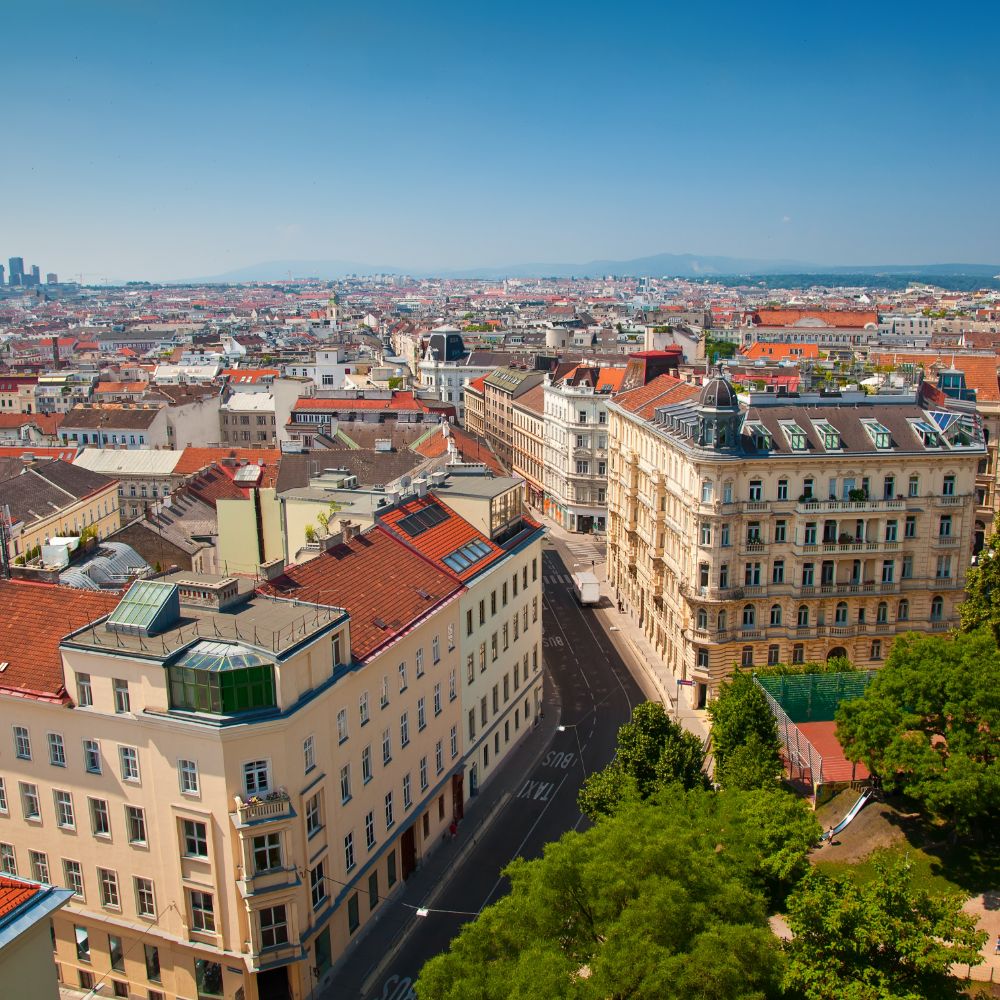
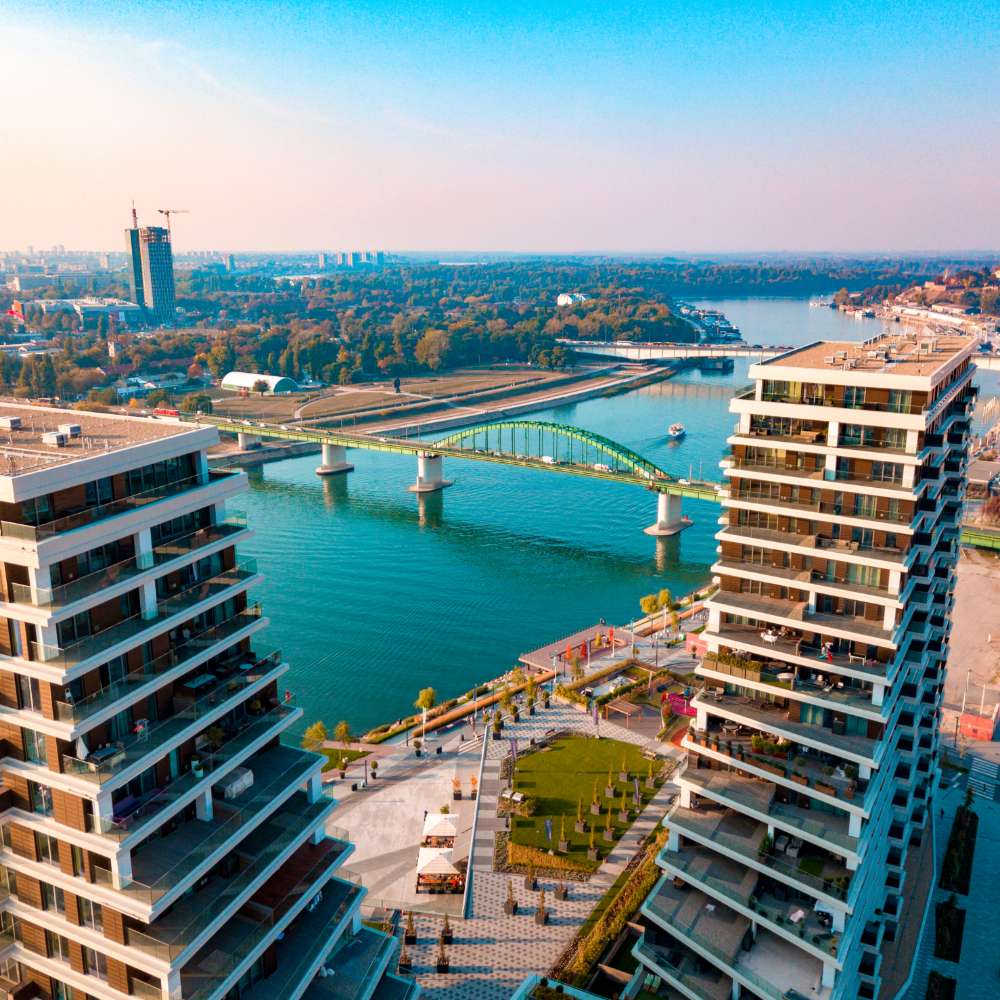
The program is based in Vienna, an influential diplomatic hub at the intersection of Western, Central, and Eastern European political traditions. From this strategic vantage point, you will examine European perspectives on conflict and democracy through a comparative lens: Austria’s distinctive role in international mediation, Hungary’s experience with democratic backsliding and recovery, and Serbia’s post-conflict transformation in the Western Balkans.
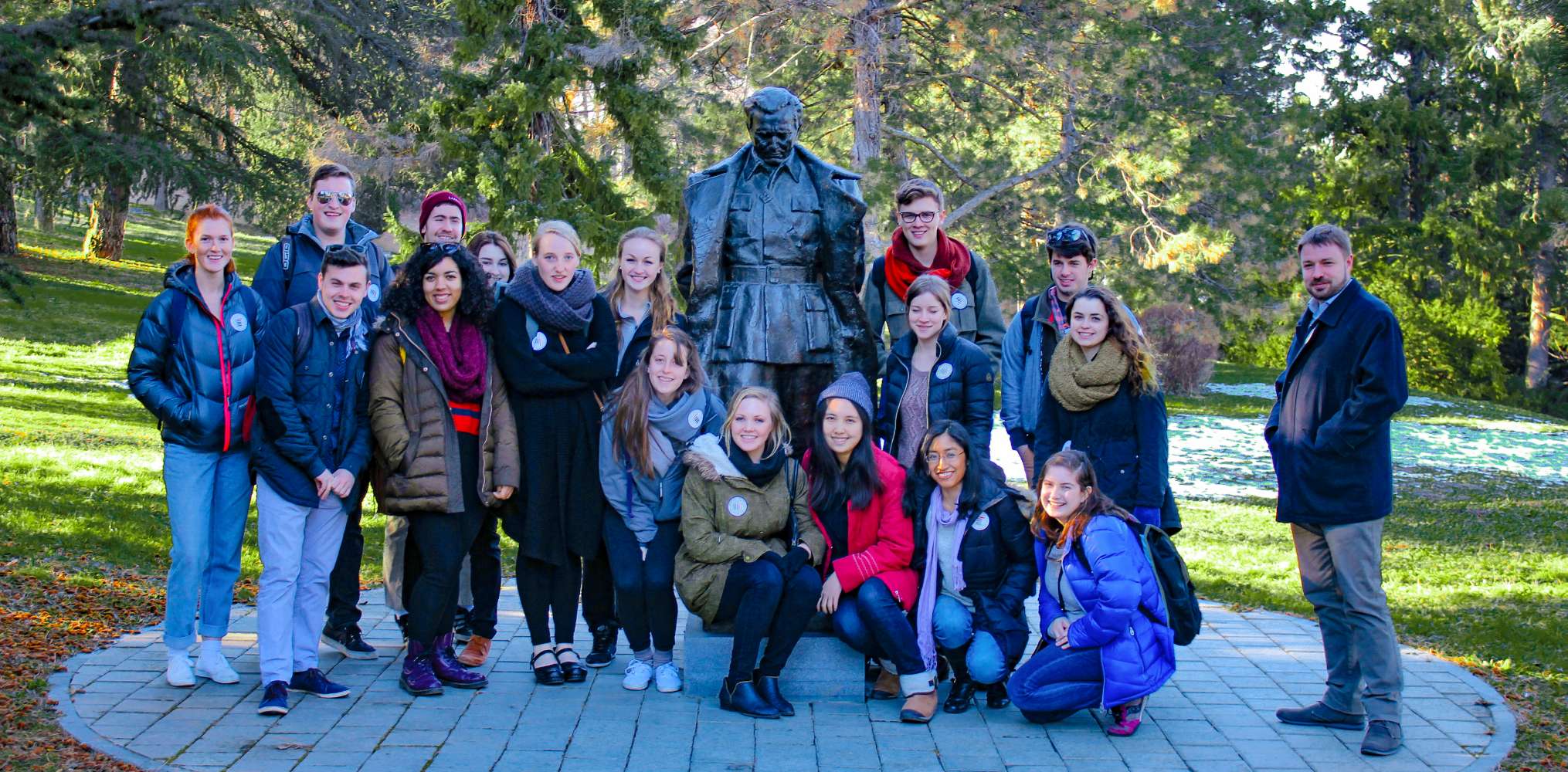
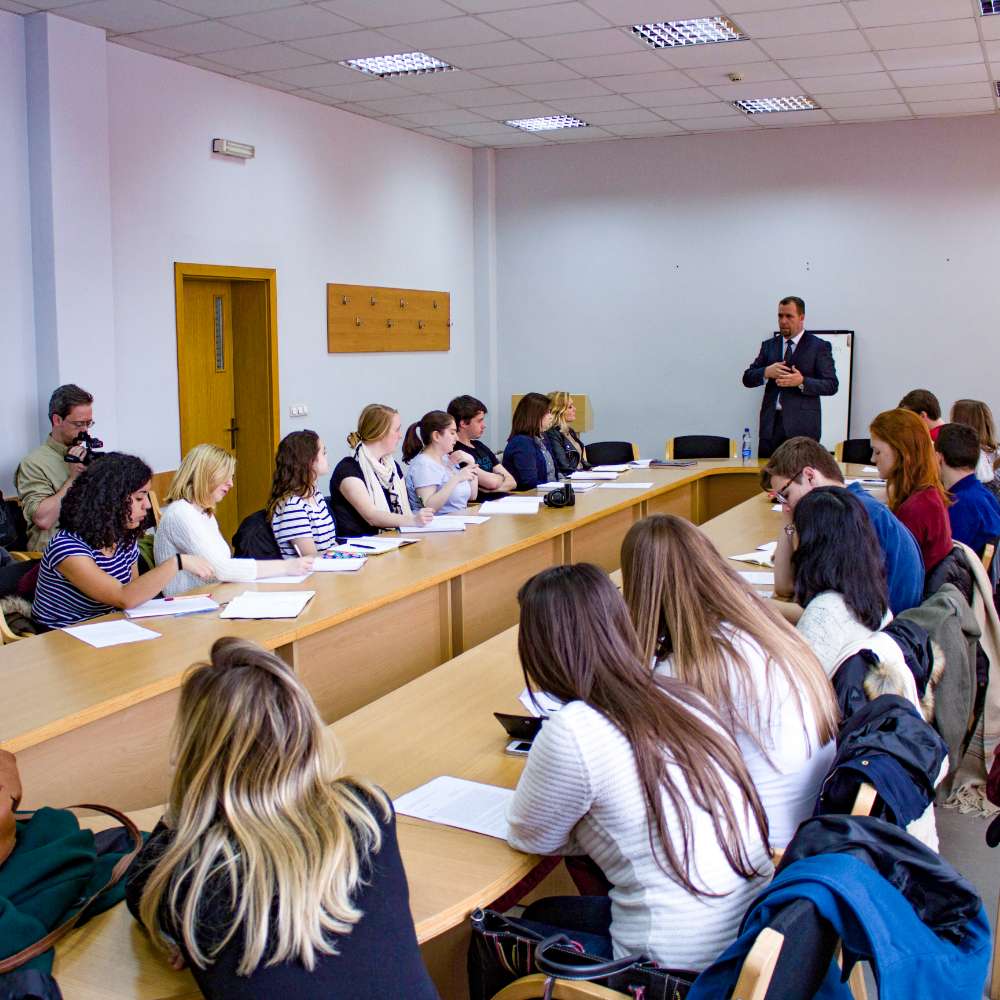
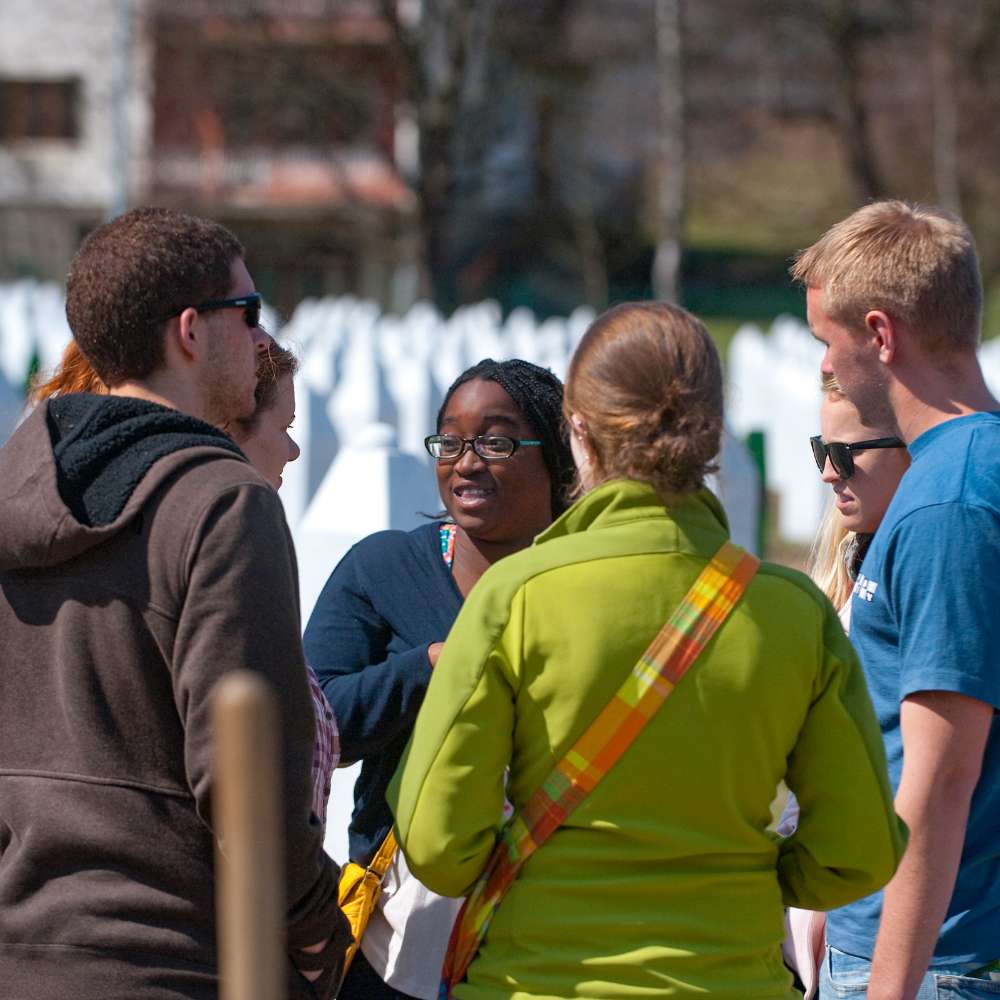
In Vienna and during excursions to Budapest and Belgrade, you will engage with policymakers, academics, and civil society actors to learn about an array of political agendas, local activist movements, and regional identities within the shifting power relations of contemporary Europe. This multi-country approach provides you with a nuanced understanding of how different European regions respond to shared challenges of democracy, security and human rights.
Highlights
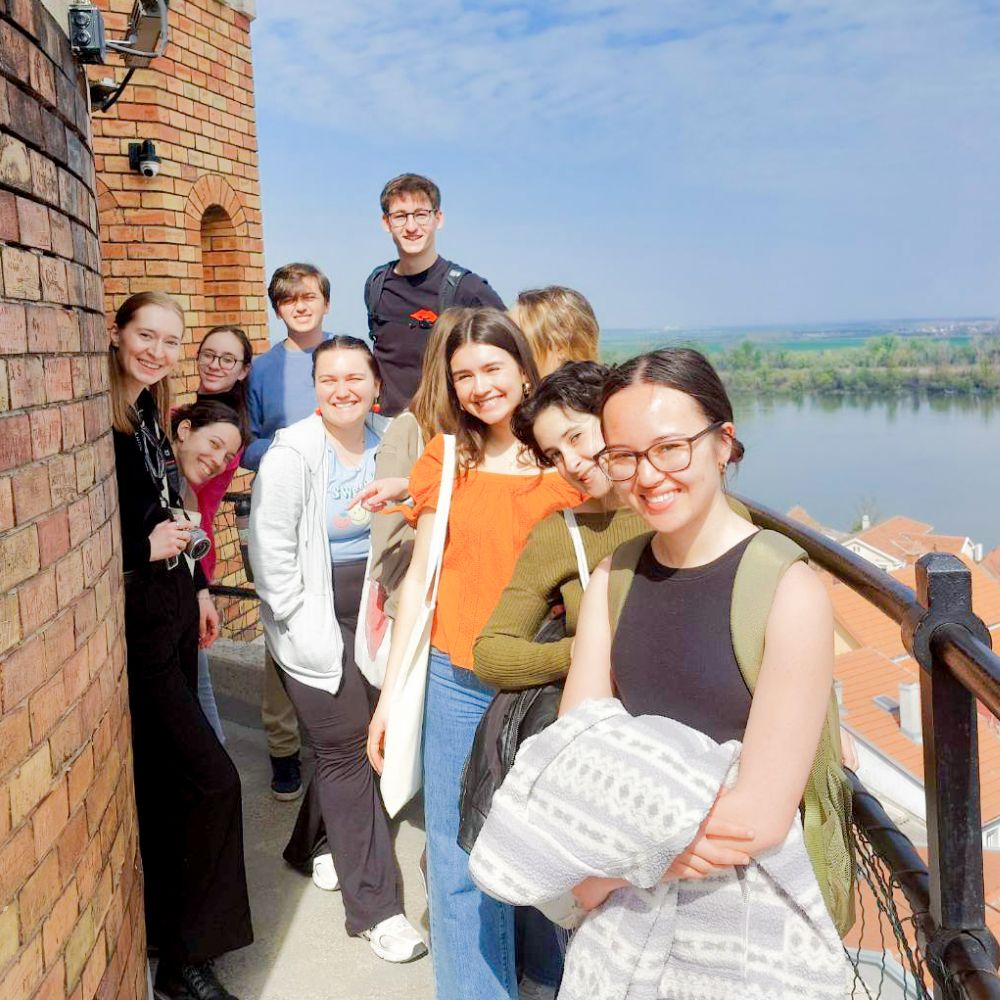
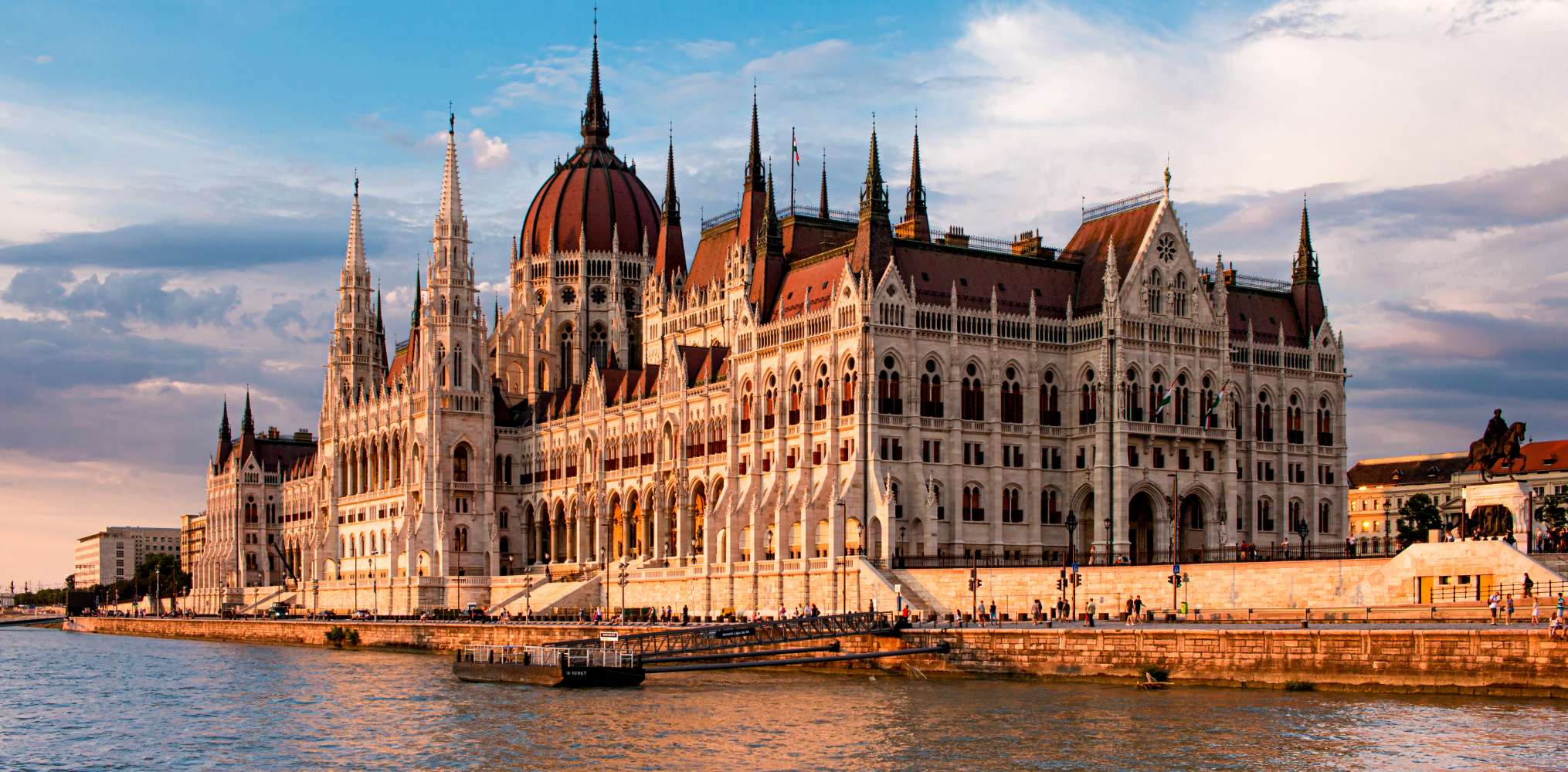
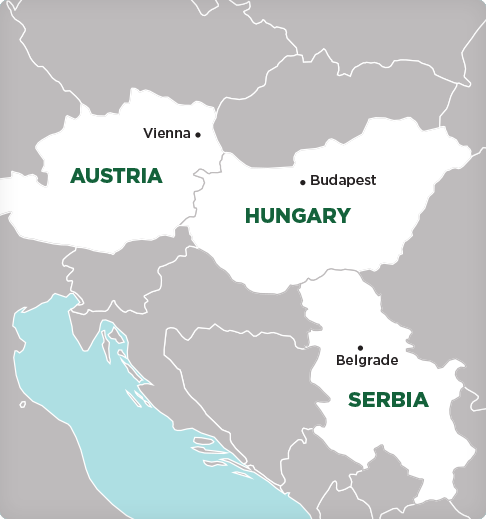
- Travel to Budapest, Hungary, and Belgrade, Serbia to examine different models of governance and civil society responses to political change.
- Choose to conduct independent field research or participate in an internship.
- Examine how conflict resolution, democratic governance, and migration challenges are navigated differently across Austria, Hungary, and Serbia.
- Meet with policymakers, experts, politicians, and activists from universities, leading think tanks and civil society organizations in Vienna, Budapest, and Belgrade.
- Gain proficiency in comparative thinking and analysis related to conflict studies.
Prerequisites
None
Earn a Minor
Students studying on this SIT semester-length program can choose to simultaneously complete a minor, with no additional coursework or cost. At SIT, a minor is a minimum of 16 credits taken within a content area. This standout credential can help boost your future job or graduate school applications.
SIT's program in Austria offers the choice to do a minor in comparative politics or European studies. You'll develop analytical skills in comparative political analysis, conflict resolution frameworks, and democratic governance while engaging with policymakers, civil society organizations, and academics across three European capitals. Through coursework on peace studies and illiberal democracy, field visits to institutions in Vienna, Budapest, and Belgrade, and your Independent Study Project or internship, you'll examine democratic backsliding, post-conflict transformation, migration policies, and populist movements while analyzing how different European regions navigate shared challenges of security, human rights, and civic engagement.