SIT Study Abroad Logo

Switzerland

International Studies and Multilateral Diplomacy

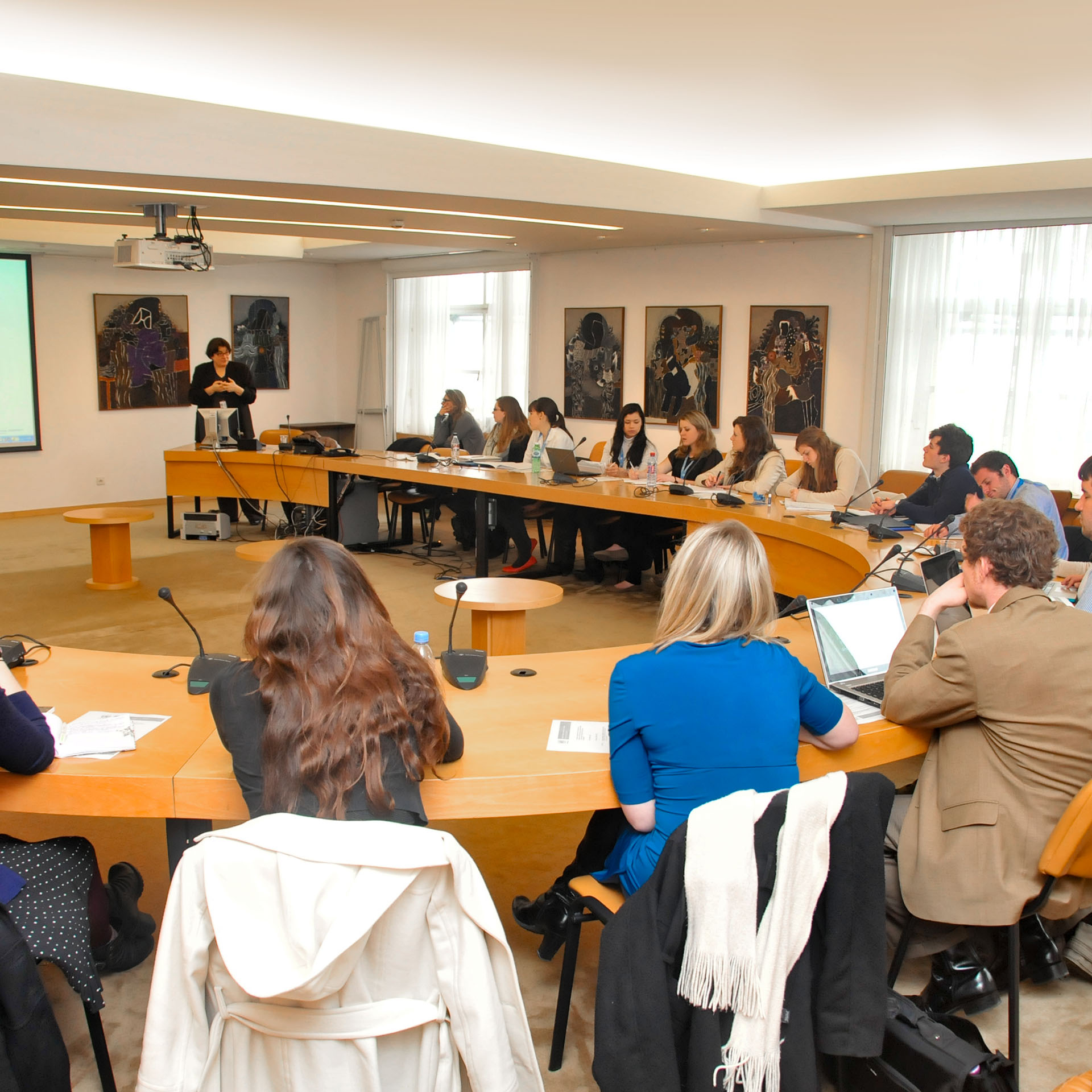
Examine the evolving role of multilateral diplomacy in international relations and responses to security challenges from the center of Geneva.

At a Glance

Credits

16

Prerequisites

Relevant previous coursework

Language of Study

French

Courses taught in

English

Dates

Jan 18 – May 2

Program Countries

Switzerland

Program Excursion Countries

France, Belgium

Program Base

Geneva

Visa

Required

Critical Global Issue of Study

Geopolitics & Power

Overview

Why study abroad in Geneva?

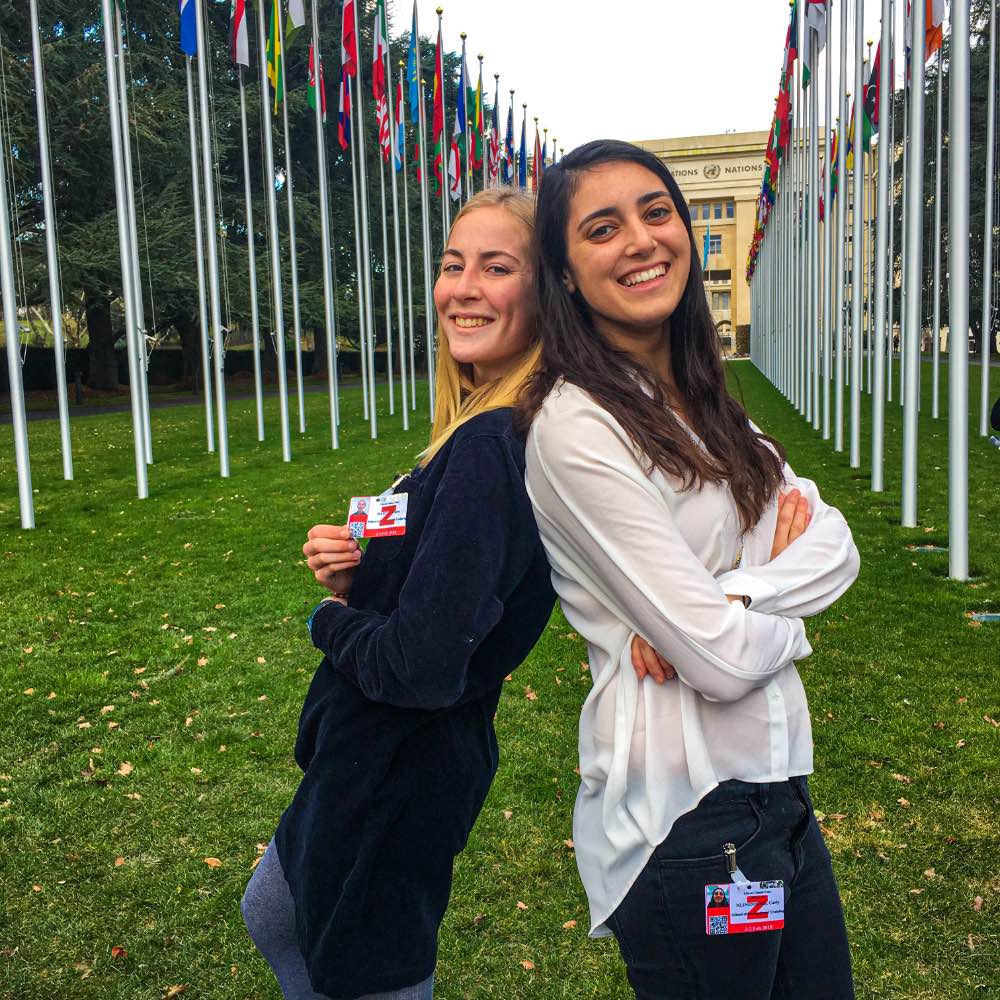
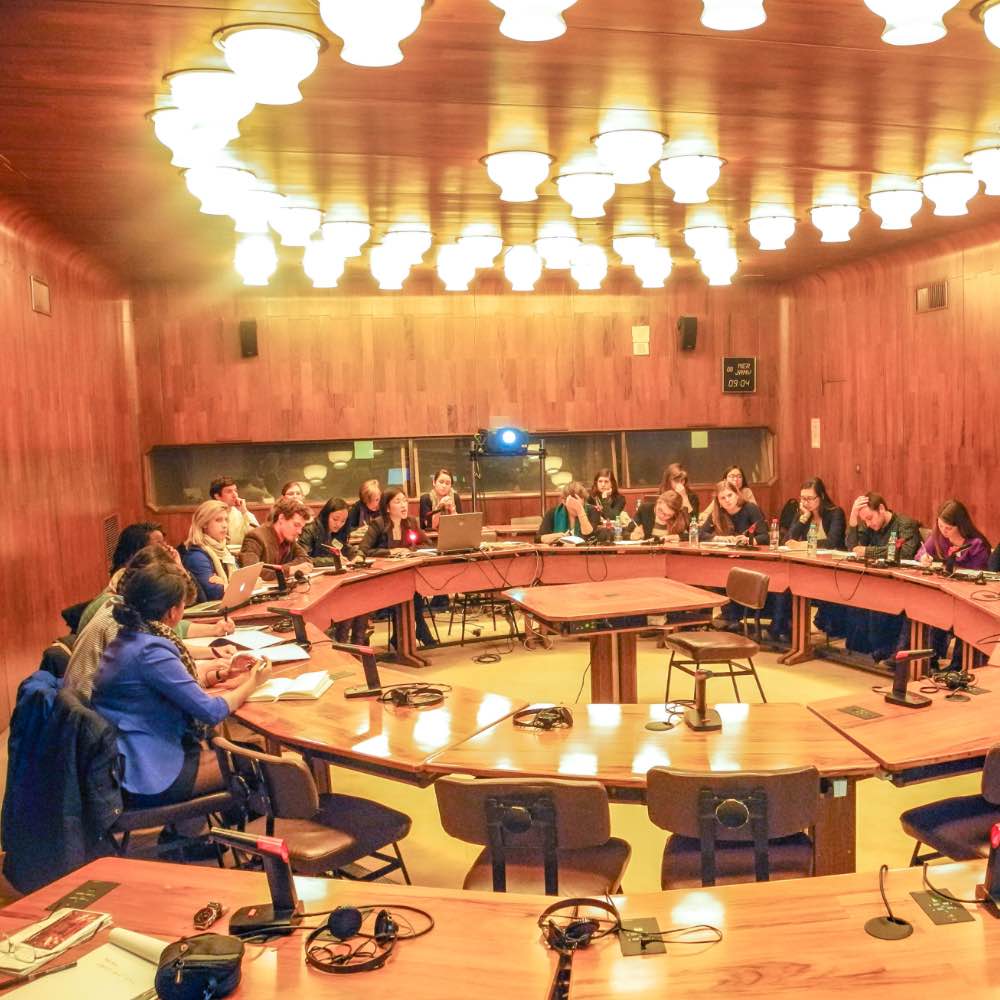
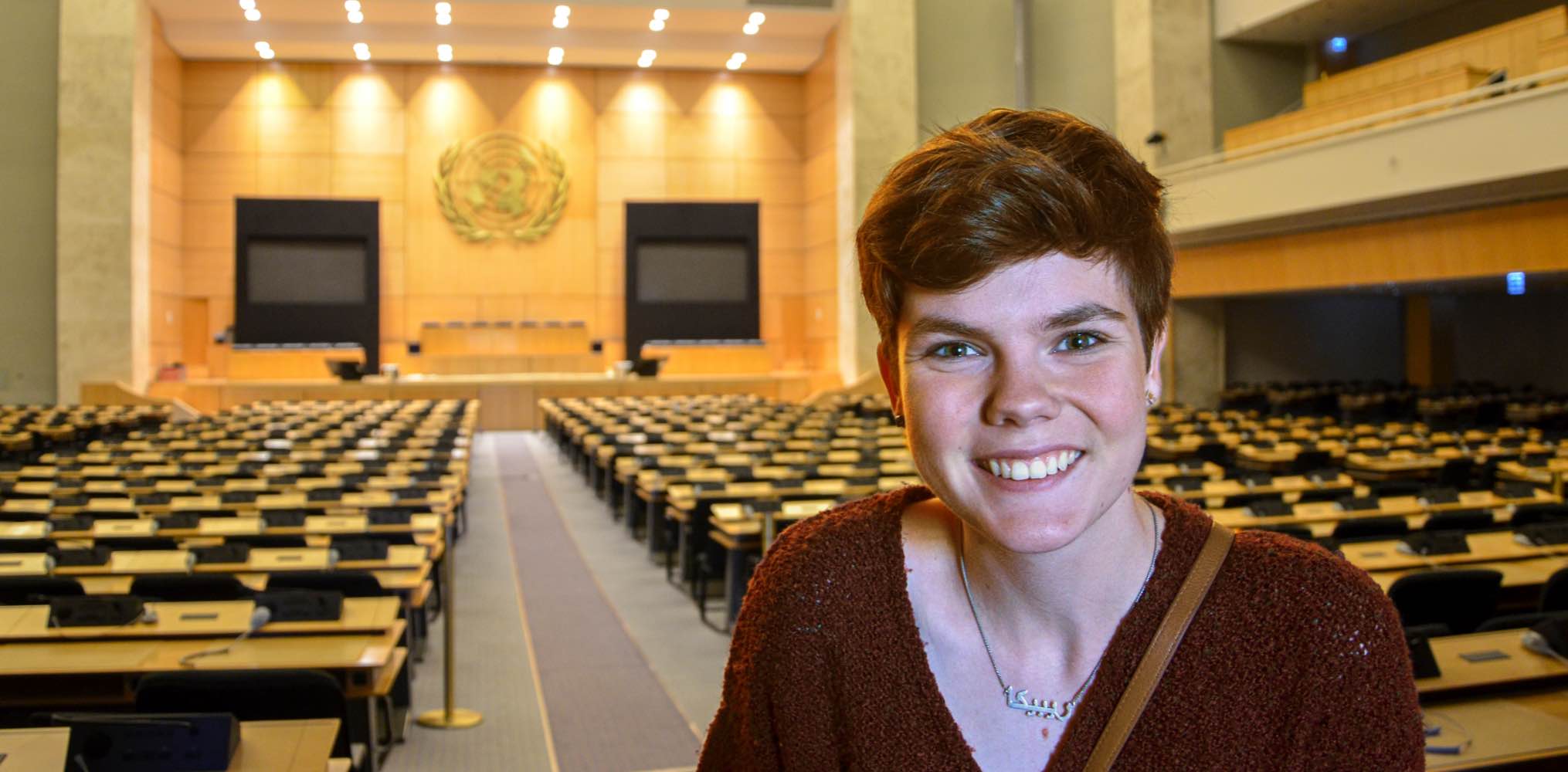
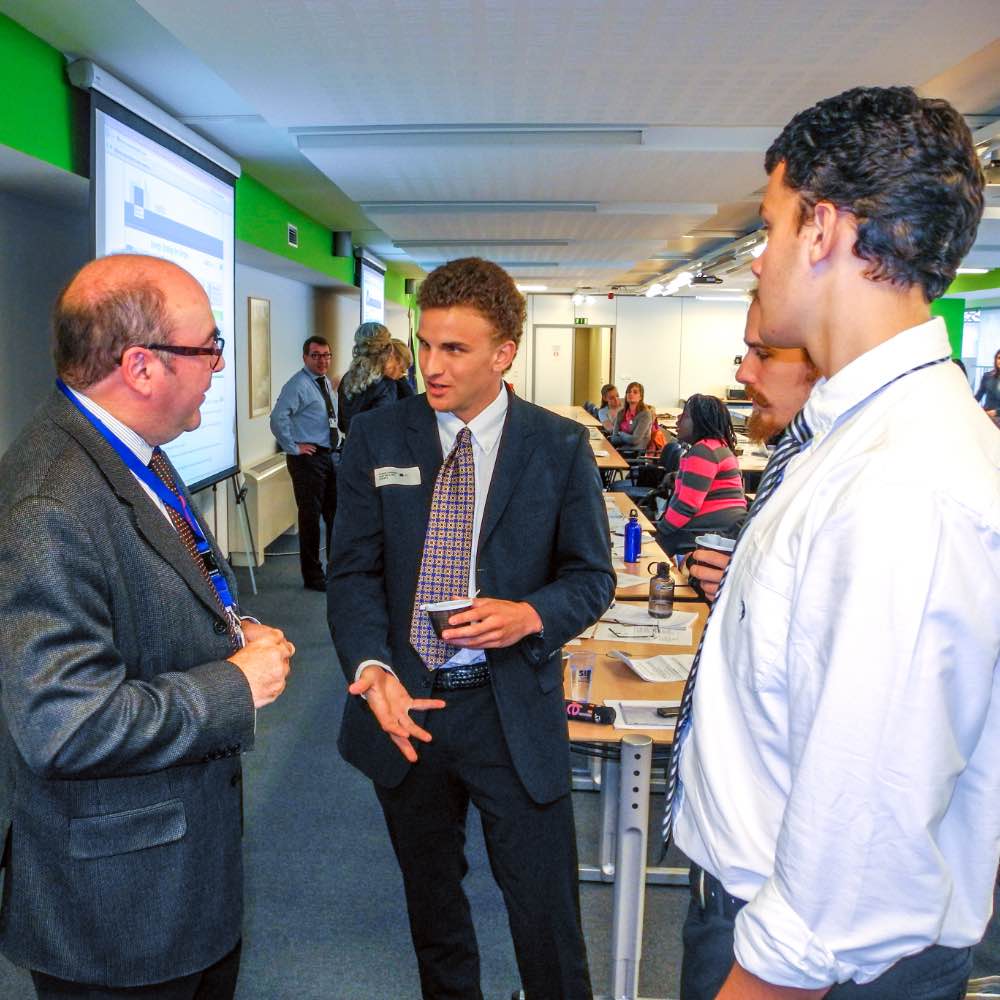
A global hub for diplomacy, Geneva is home to more than a dozen major international organizations such as the Red Cross, World Health Organization, United Nations agencies, and the World Trade Organization. While delving into high-level multilateral diplomacy, you’ll enjoy the gastronomic and cultural riches of this city and bohemian districts like Carouge, a Mediterranean-style hamlet modeled after Nice. You’ll meet with experts in Paris to discuss different issues related to international security and diplomacy from a French perspective, and you’ll go to the European Union headquarters in Brussels to get acquainted with issues involving the EU.

Highlights

  • Network with experts at international organizations and research centers.
  • Travel to Paris and Brussels for a week and delve into hot-button EU issues.
  • Discuss with experts the major geopolitical challenges affecting international relations.
  • Rapidly improve your French language skills through intensive instruction.  

Prerequisites

Previous college-level coursework or background in international studies or a related academic discipline, such as political science or prelaw, as assessed by SIT.

Earn a Minor

Students studying on this SIT semester-length program can choose to simultaneously complete a minor, with no additional coursework or cost. At SIT, a minor is a minimum of 16 credits taken within a content area. This standout credential can help boost your future job or graduate school applications.

SIT's program in Switzerland offers the choice to do a minor in diplomacy studies or European studies. You will develop analytical skills in geopolitics, strategic foresight, geoeconomics, and international security studies, and explore diverse approaches to multilateral diplomacy within an emerging multipolar world order. The program provides the opportunity to engage directly with scholars and practitioners at major international organizations in Geneva and Brussels.

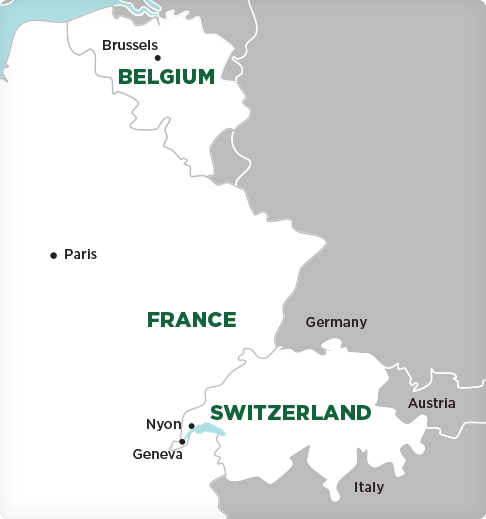
program map

Excursions

Exploring the European Union in Brussels

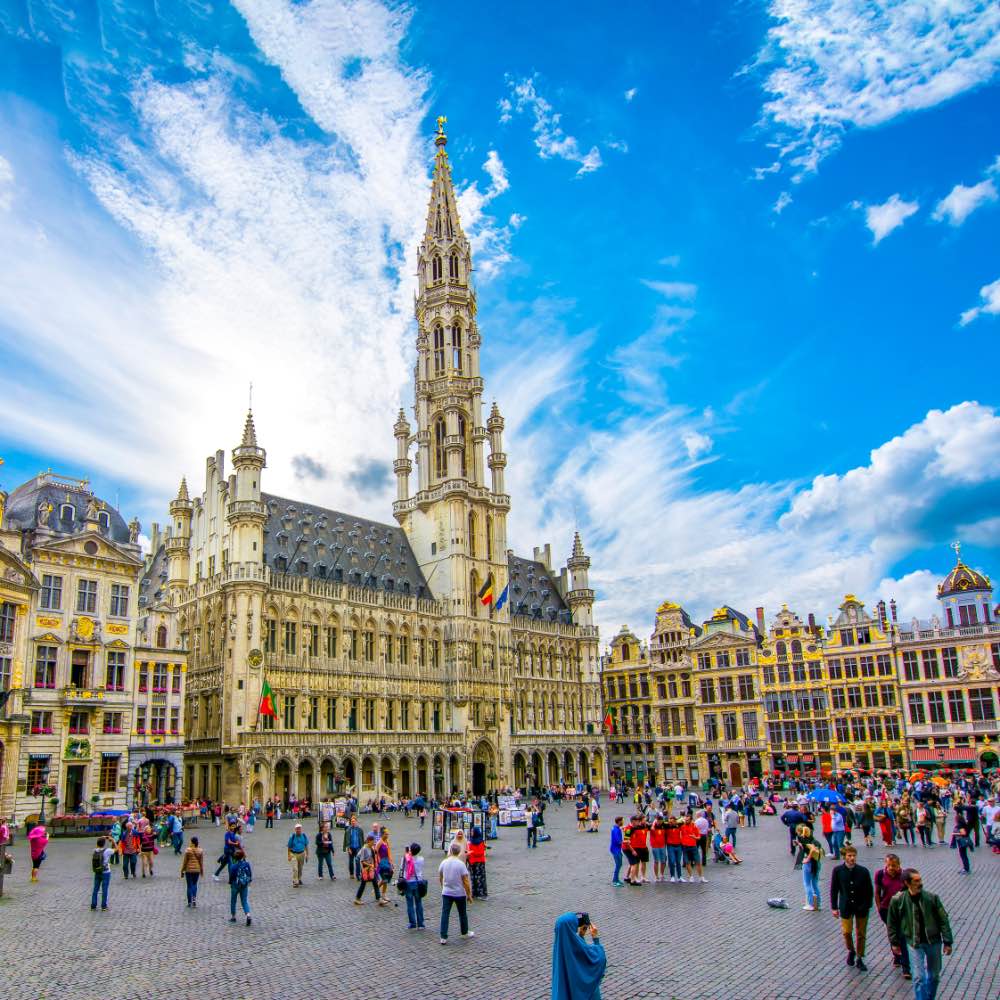
The capital of Belgium, Brussels, is also considered the de facto capital of the European Union, as it hosts a number of key organizations. You will visit a European Union related organization, where you will meet with EU officials and become well versed in EU issues and structures as you participate in ongoing debates about the evolution of regional integration in Europe. You will find that Brussels reflects both traditions of multicultural Belgium and the rapid growth and influence of EU organizations.

International Affairs in Paris

Hear from French foreign policy experts and get their take on international affairs. It’s not all work and no play in the city of love and croissants. You’ll have time to explore Paris — a global center for art, fashion, gastronomy, and culture — and practice your French. Enjoy a group dinner and say à votre santé!

Please note that SIT will make every effort to maintain its programs as described. To respond to emergent situations, however, SIT may have to change or cancel programs.

Academics

Program Learning Outcomes

Upon successful completion of the program, students will be able to: 

  • Apply effective networking skills in the international community of Geneva. 
  • Operate in a new cultural environment in Switzerland by using French language and interactive research skills. 
  • Apply the analytical skills of geopolitics and strategic foresight learned on the program. 
  • Conduct appropriate and ethical applied research skills to develop comprehensive policy proposals for conflict prevention and resolution. 
  • Demonstrate personal autonomy, critical thinking, and problem-solving capacities. 
  • Enhance communicative proficiency in French.

Read more about Program Learning Outcomes.


Coursework

Access virtual library guide.

The following syllabi are representative of this program. Because courses develop and change over time to take advantage of dynamic learning opportunities, actual course content will vary from term to term.

The syllabi can be useful for students, faculty, and study abroad offices in assessing credit transfer. Read more about credit transfer.

Please expand the sections below to see detailed course information, including course codes, credits, overviews, and syllabi.


Key Topics

  • The evolving role of diplomacy in contemporary international relations
  • bullet list icon
  • Regional and global security challenges in an evolving geopolitical context
  • bullet list icon
  • European Union challenges and perspectives
  • bullet list icon
  • Economic and environmental diplomacy

International Relations and Multilateral Diplomacy

International Relations and Multilateral Diplomacy –  syllabus
(INTS3000 / 3 credits)

This seminar provides an in-depth examination of the evolving nature of diplomacy in contemporary international relations. It considers the impact of the profound changes affecting the contemporary international system on the concept of diplomacy and evaluates how the practice of diplomacy can be adapted to global, regional, and local levels. The seminar also examines the approaches of economic, environmental, and humanitarian diplomacy. It evaluates traditional and nontraditional approaches to diplomacy, taking into consideration the strategies of both state and non-state actors as well as international and regional organizations. A major emphasis is put on the position of the UN system and the European Union in a multilateral diplomatic perspective.

International Security, Peace, and Stability

International Security, Peace, and Stability – syllabus
(INTS3005 / 3 credits)

This course provides a thorough background in international security studies, taking into consideration the impact of major geopolitical and geo-economic changes on international and regional security. The multidimensional security approach takes into account politico-military security, human security, and the links between international stability and economic and sustainable development. It not only addresses national security strategies but also the roles of intergovernmental and regional organizations, as well as nongovernmental agencies in helping to prevent and manage conflict and build peace. The course also addresses environmental security. The course seeks to examine as well the impact of the Global Power Shift and emerging multipolarity on international security.

French

Beginning French I – syllabus
(FREN1003 / 3 credits)

Beginning French II – syllabus
(FREN1503 / 3 credits)

Intermediate French I – syllabus
(FREN2003 / 3 credits)

Intermediate French II – syllabus
(FREN2503 / 3 credits)

Advanced French I – syllabus
(FREN3003 / 3 credits)

Emphasis on speaking and comprehension skills through classroom and field instruction. Students are placed in intensive beginning, intermediate, or advanced classes based on in-country evaluation, including oral proficiency testing.

Social Science Methods and Ethics in Global Contexts

Social Science Methods and Ethics in Global Contexts – syllabus
(RSCH3500 / 3 credits)

This course is designed to introduce you to the methodological tools used by social scientists to conduct empirically grounded, theoretically engaged research. The course will cover the basic elements of research design, the role of theory in empirical research, and the ethics for social scientific research, with particular attention to the complex ethical considerations that arise when conducting research in international and cross-cultural contexts. Students will gain hands-on experience with both basic quantitative and qualitative methods, with the flexibility to emphasize their preferred methodological approach in their final work. Using this project-based approach, the course will prepare you to design and execute social science research projects while developing competency across methodological traditions. 

Independent Study Project

Independent Study Project – syllabus
(ISPR3000 / 4 credits)

The Independent Study Project (ISP) is conducted in Geneva over four weeks near the end of the semester. Students pursue original research on a topic of interest to them. The ISP offers students a unique, interactive research opportunity in their field of interest in international studies. In most cases, topics of ISPs grow out of lectures, briefings, and discussions from the International Security, Peace, and Stability seminar and the International Relations and Multilateral Diplomacy seminar. Students directly apply the concepts of experience-based learning and interactive research skills learned in the Research Methods and Ethics seminar. The ISP provides students with practical experience for academic and professional development. Students can interview leading experts in fields related to their research project and can create a solid professional network and form a concrete base for future academic and professional career choices.

Sample ISP topic areas:

  • Conflict resolution and multilateral diplomacy processes
  • New threats to global security
  • Roles of international agencies in developing countries
  • Europe and the global power shift
  • Peacebuilding and nation building
  • New approaches to security
  • Human rights and international law
  • Migrations, refugees, and internally displaced persons
  • Protection of humanitarian spaces in conflict zones
  • Humanitarian aid in complex emergencies
  • Non-state actors and international humanitarian diplomacy
  • Geopolitics of natural resources
  • Environmental diplomacy
  • Security strategies of the European Union

Browse this program’s Independent Study Projects / undergraduate research.

Housing

Nyon

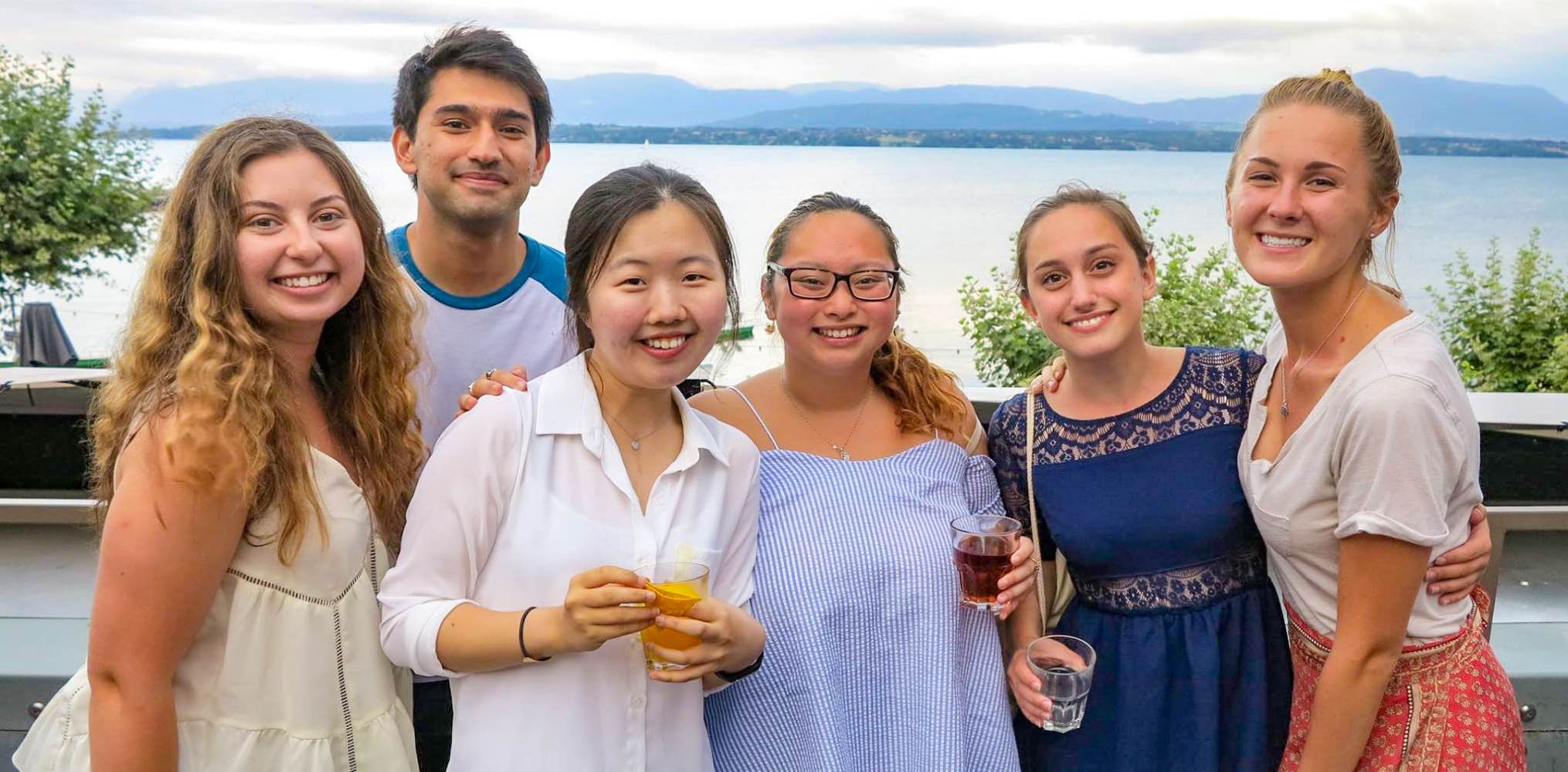
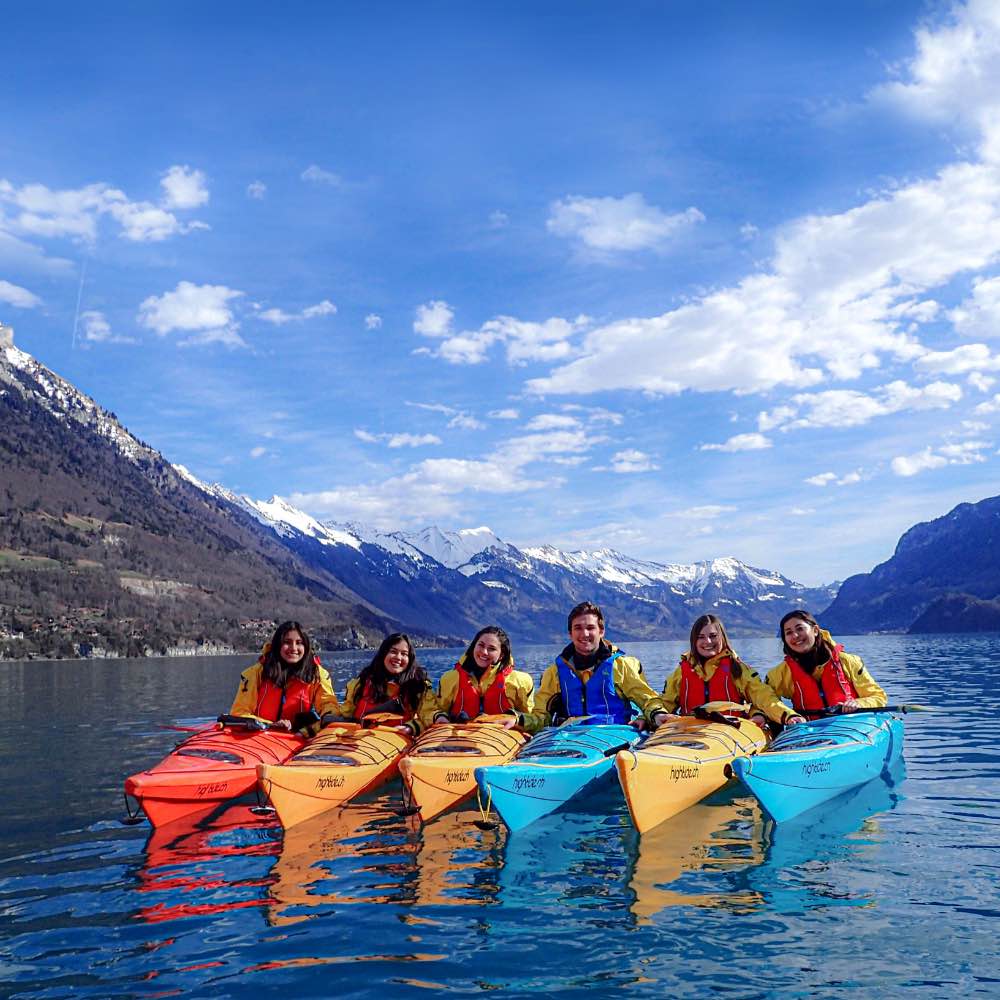
You’ll live with a local family in a village or town near Nyon for 14 weeks during the semester. You will have a private room. Located on the shores of Lake Geneva, approximately 15 miles northeast of the city center, Nyon and the surrounding area boast a variety of outdoor activities and historical sites. Your homestay in the French-speaking canton of Vaud will enrich your cultural experience during the program.

The picturesque town is surrounded by the Jura Mountains and La Côte vineyards, providing leisure activities on weekends. You will also have the option to participate in local arts groups and sports, enabling you to meet Swiss peers.

Living with your homestay family will help you improve your French language skills and gain insight into the traditional values of Switzerland, such as tolerance, federalism, neutrality, and direct democracy. You will commute to classes and program activities in Geneva just like the locals, using the region’s excellent public transportation system.

Geneva

Students will be placed in residences offering either shared apartments with three to four students per apartment having their individual room, or individual rooms with shared bathroom and kitchen. The residences are located in the Geneva area, with convenient access to public transportation. Daily travel to the program center is included and covered by the Swiss Pass provided to students. There will be a kitchen available for students to prepare their meals, washing machines in the building and Wi-Fi. Students are responsible for arranging their own meals. The residences welcome other international students and professionals, fostering a dynamic and multicultural atmosphere. Living in a residence requires a degree of independence, as students are expected to manage their daily routines—such as cooking, doing laundry, and maintaining their living space—while engaging respectfully in shared areas. Further details about the residences will be provided during the in-country orientation in Geneva.
Excursion & Orientation Accommodations

Students will stay in a hostel for their first two nights in Geneva during orientation. During excursions to Brussels and Paris, students will stay in centrally located small hotels.

Career Paths

A diversity of students representing different colleges, universities, and majors study abroad on this program. Many of them have gone on to do amazing things that connect back to their experience abroad with SIT. Learn what some of them are now doing. Recent positions held by alumni of this program include:

  • Research associate at Albany Associates, London, UK

  • Intern at the United Nations High Commissioner for Refugees, Geneva, Switzerland

  • Intern at NASA, Washington, DC

  • Education volunteer with the Peace Corps, Namibia

  • Graduate student (MA in development studies), Graduate Institute of International and Development Studies, Geneva, Switzerland

  • Head of Community Management, Geneva Peacebuilding Platform, Switzerland

  • Intern with U.S. Senate Foreign Relations Committee

Faculty & Staff

Switzerland: International Studies and Multilateral Diplomacy

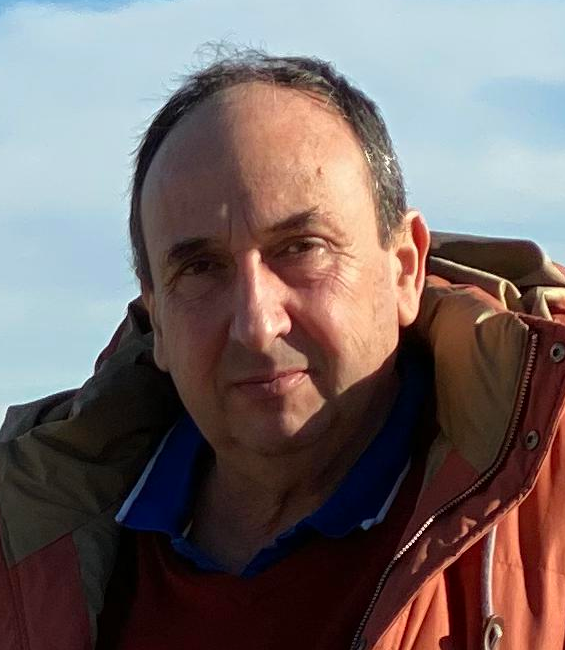
Gyula Csurgai, PhD bio link
Gyula Csurgai, PhD
Academic Director
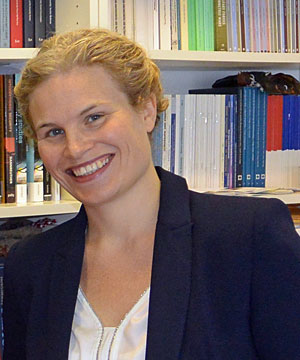
Aline Dunant, MA bio link
Aline Dunant, MA
Academic Coordinator
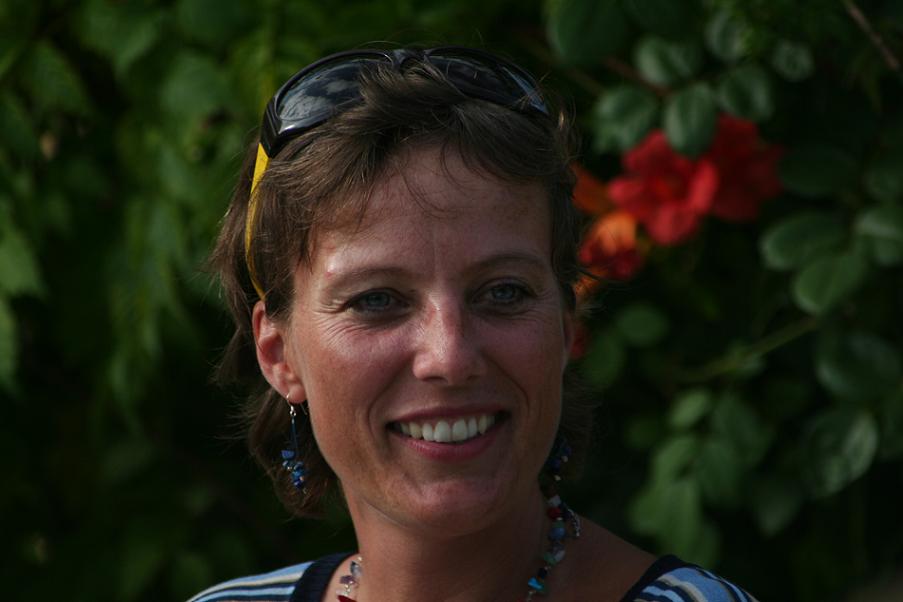
Annette Boogaard bio link
Annette Boogaard
Homestay Coordinator
Heikki S. Mattila, PhD bio link
Heikki S. Mattila, PhD
Academic Advisor
Elisabeth Meur, PhD bio link
Elisabeth Meur, PhD
Assistant Academic Advisor and Lecturer

Discover the Possibilities

  • Cost & Scholarships

    SIT Study Abroad is committed to ensuring that international education is within reach for all students. We believe in the transformative power of immersive, intercultural experiences and are dedicated to supporting students in their educational journey.

    See All Costs
  • HEALTH, SAFETY &
    ACCESS

    A critical step in preparing for your study abroad program is planning how you will maintain your health and wellbeing. Please review the following information carefully and contact [email protected] with any questions or concerns.

    Learn More
  • Visa
    Requirements

    Students are required to obtain a visa for this program. Your admissions officer will provide you further guidance on the process and support documents. Please do not apply without instructions from your admissions officer.

  • Facebook

    SIT Study Abroad Switzerland International Studies & Multilateral Diplomacy
    @SitStudyAbroadGenevaSwitzerland

    Facebook
  • SIT alumni call on Washington to pursue diplomacy with China

    SIT Switzerland alumni Dylan Morgan and Bryan Soh called on Washington to revise its response to China’s Belt & Road Initiative as part of a global shift in favor of diplomacy rather than military solutions.

    Read more
  • SIT Switzerland alum Emmanuel Orozco Castellanos named Rhodes Scholar

    SIT Switzerland alum Emmanuel Orozco Castellanos was among 32 U.S. students selected as 2024 Rhodes Scholars.

    Read more
  • Diplomacy program leads alumni to DC along different paths

    SIT Switzerland alum Jesse Clarke and Alec Monnie discuss how their study abroad experience influenced their academic and career paths.

    Read More