

Credits
16
Prerequisites
None
Language of Study
Arabic
Courses taught in
English
Dates
Jan 30 – May 14
Program Countries
Morocco
Program Excursion Countries
Turkey
Program Base
Rabat
Visa
Varies
Critical Global Issue of Study
Geopolitics & Power



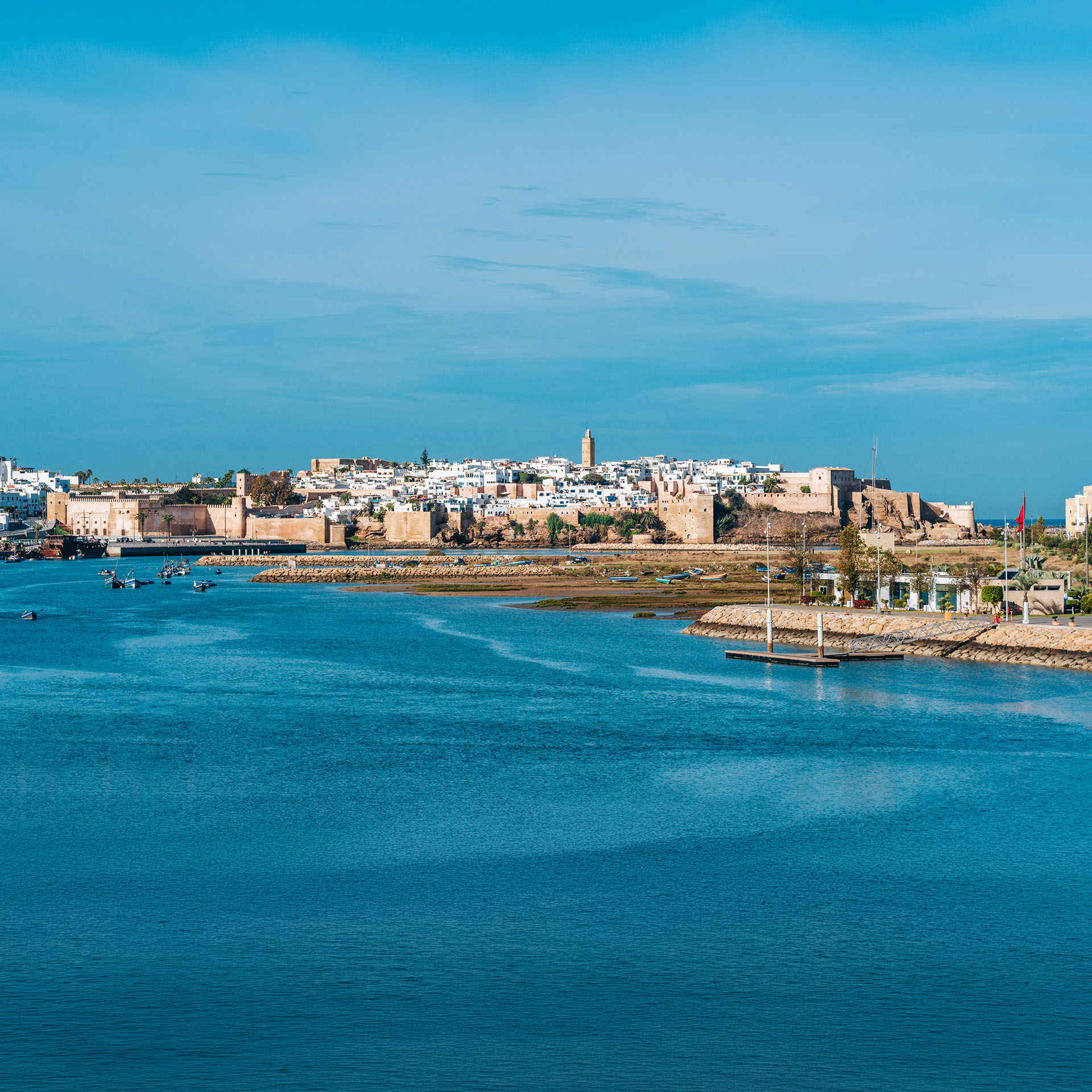
Study international relations and the complex history and politics of the Middle East and learn about efforts to promote peace and global security in Morocco’s capital, Rabat.

16
None
Arabic
English
Jan 30 – May 14
Morocco
Turkey
Rabat
Varies
Geopolitics & Power
This program previously took place in Jordan. In light of the ongoing unrest across parts of the Middle East, we have made the decision to relocate the program to Morocco for the spring semester, with the safety and well-being of our students as our first priority.
Morocco sits at the crossroads of the Arab world, Africa, Europe, and the Mediterranean, offering a distinctive vantage point from which to explore the geopolitics and international relations of the Middle East and North Africa. A stable monarchy with close ties to Europe, the Gulf, and West Africa, Morocco is directly engaged in many of the dynamics reshaping the region today, including migration and border politics, regional diplomacy, energy and climate change, and debates over governance and reform.
Based in the capital, Rabat, you will become acquainted with the traditions and contemporary realities of a country shaped by Arab, Amazigh, African, and Islamic influences while examining regional politics and social change. The program maintains its established academic focus on Jordan and the broader Middle East, using Jordan as an important comparative case for understanding regional geopolitics, governance, migration, environmental challenges, and international relations. Studying these themes from Morocco provides an additional North African perspective and allows you to compare experiences and political dynamics across the Middle East and North Africa.
Excursions to other parts of Morocco introduce you to the country’s cultural, political, and social diversity, while a visit to Istanbul, Turkey, provides another comparative perspective on Turkey’s role in the evolving political landscape of the Middle East. Throughout the semester, you’ll also improve your Arabic language skills through customized lessons, field-based learning, and highly interactive conversations connected to the sites and communities you visit.
None
Students studying on this SIT semester-length program can choose to simultaneously complete a minor, with no additional coursework or cost. At SIT, a minor is a minimum of 16 credits taken within a content area. This standout credential can help boost your future job or graduate school applications.
SIT's program in Morocco offers the choice to do a minor in Middle Eastern studies or peace and justice studies. You'll develop critical analysis skills in geopolitics, diplomacy, and conflict resolution while engaging directly with political scientists, practitioners, and peace negotiators. Through coursework, field-based learning in Rabat and Istanbul, and your Independent Study Project or internship, you'll examine territorial conflicts, regional power dynamics, and international intervention while improving your Arabic language proficiency in a real-world context.

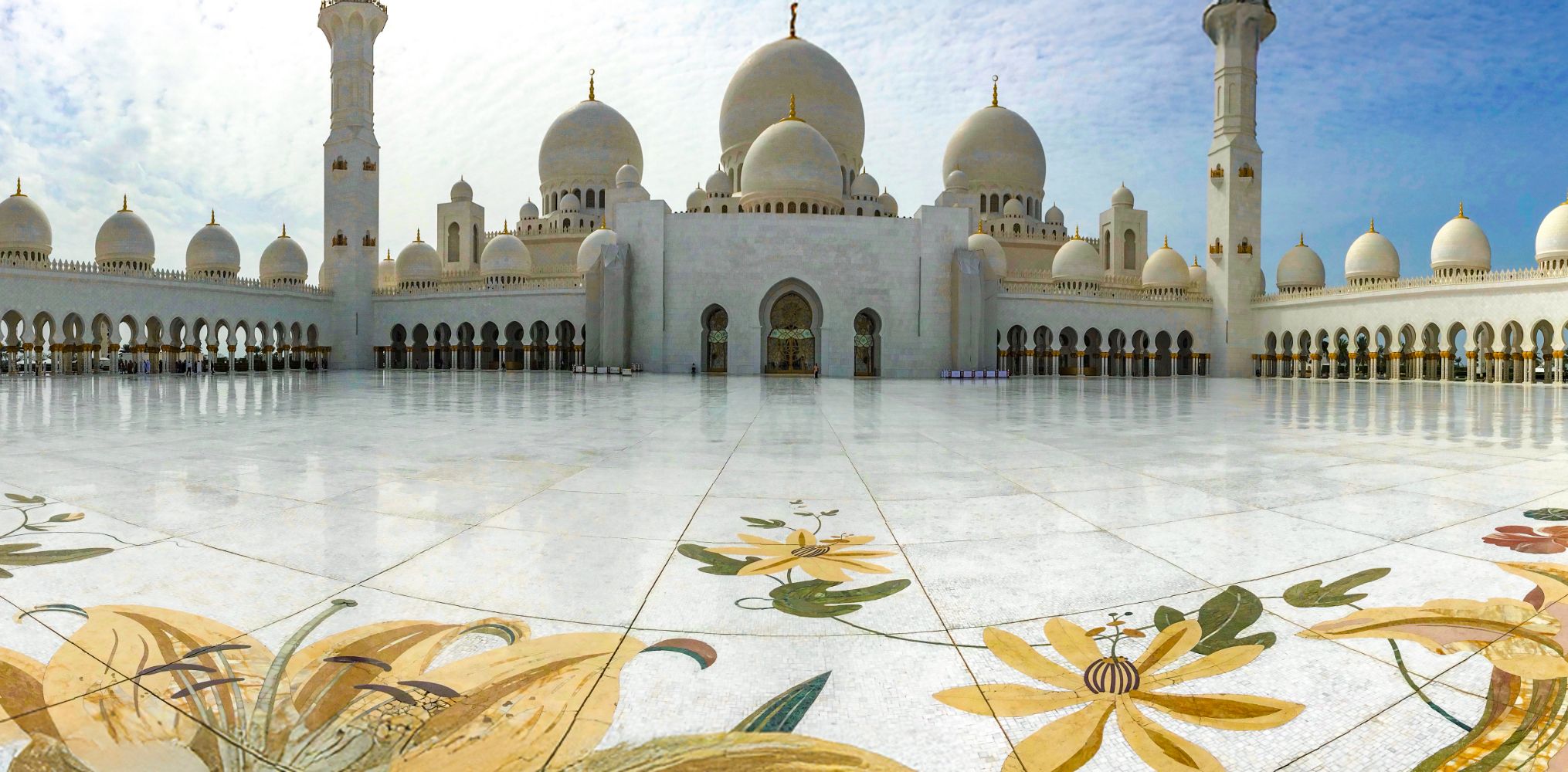
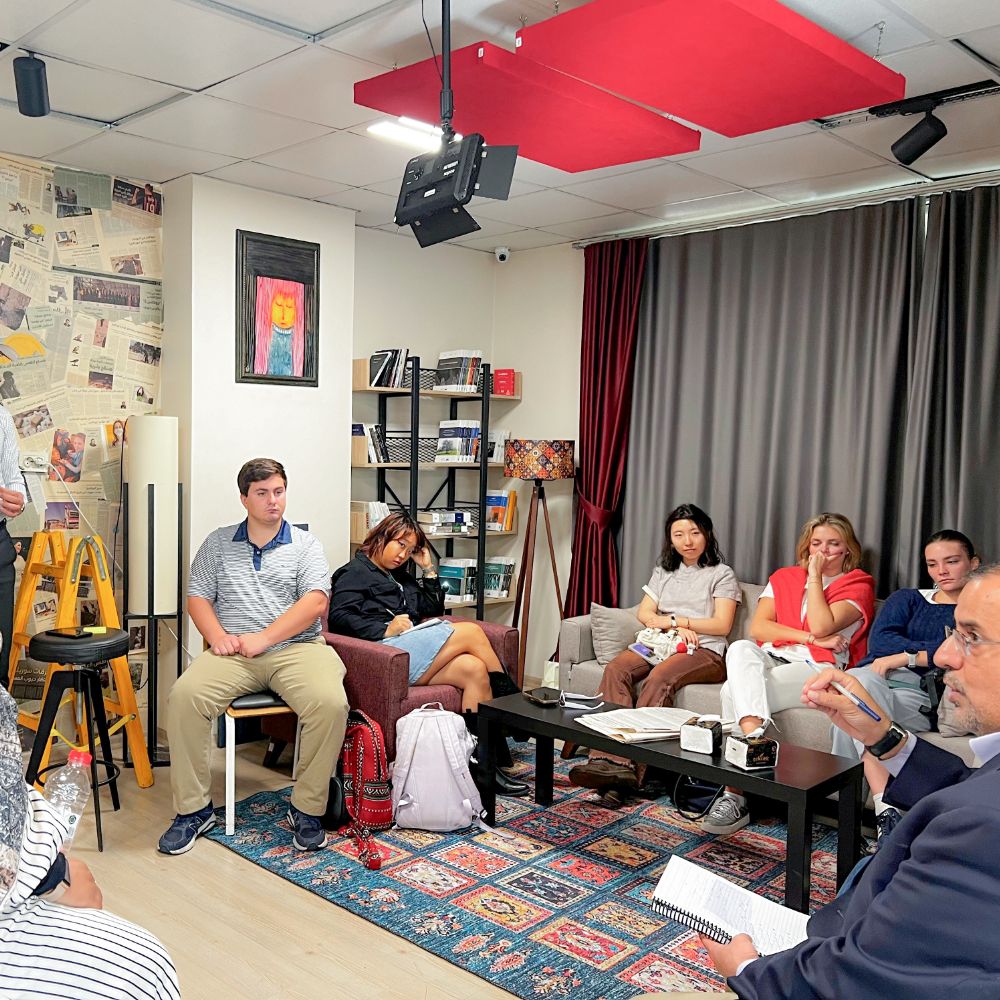
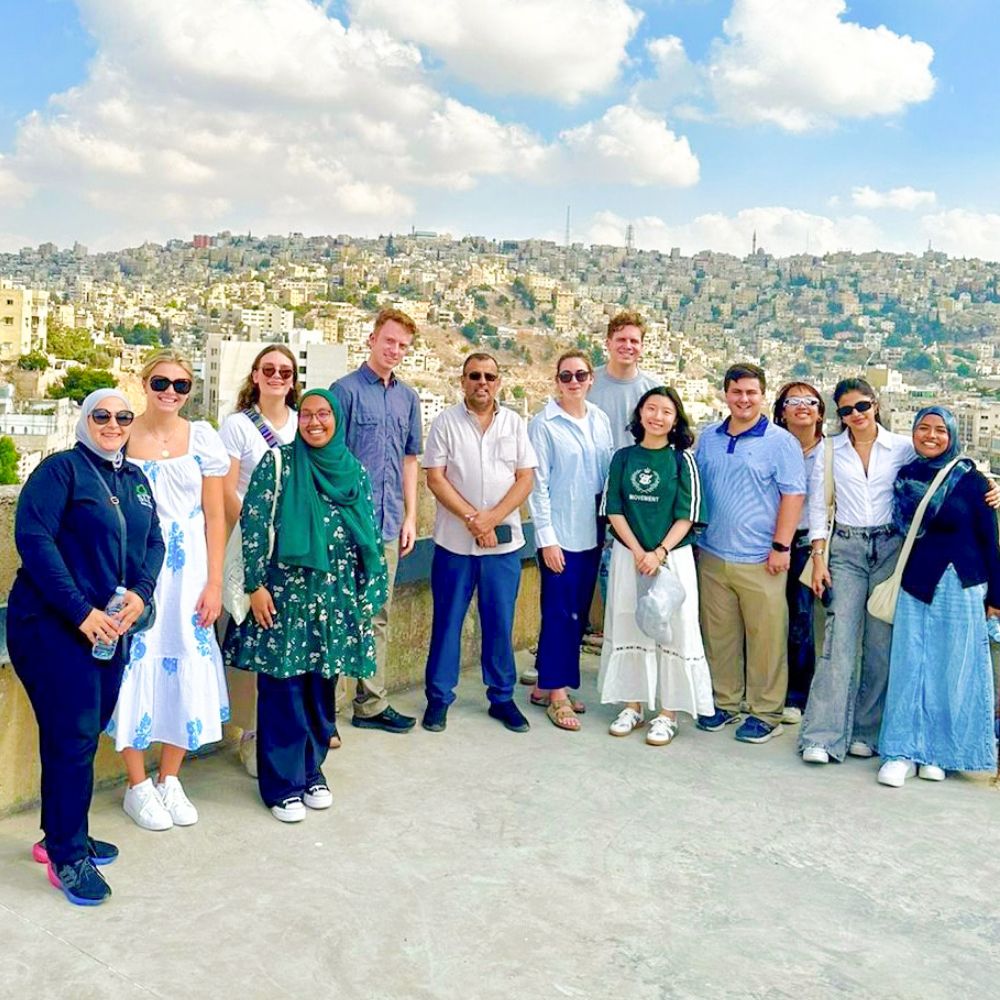
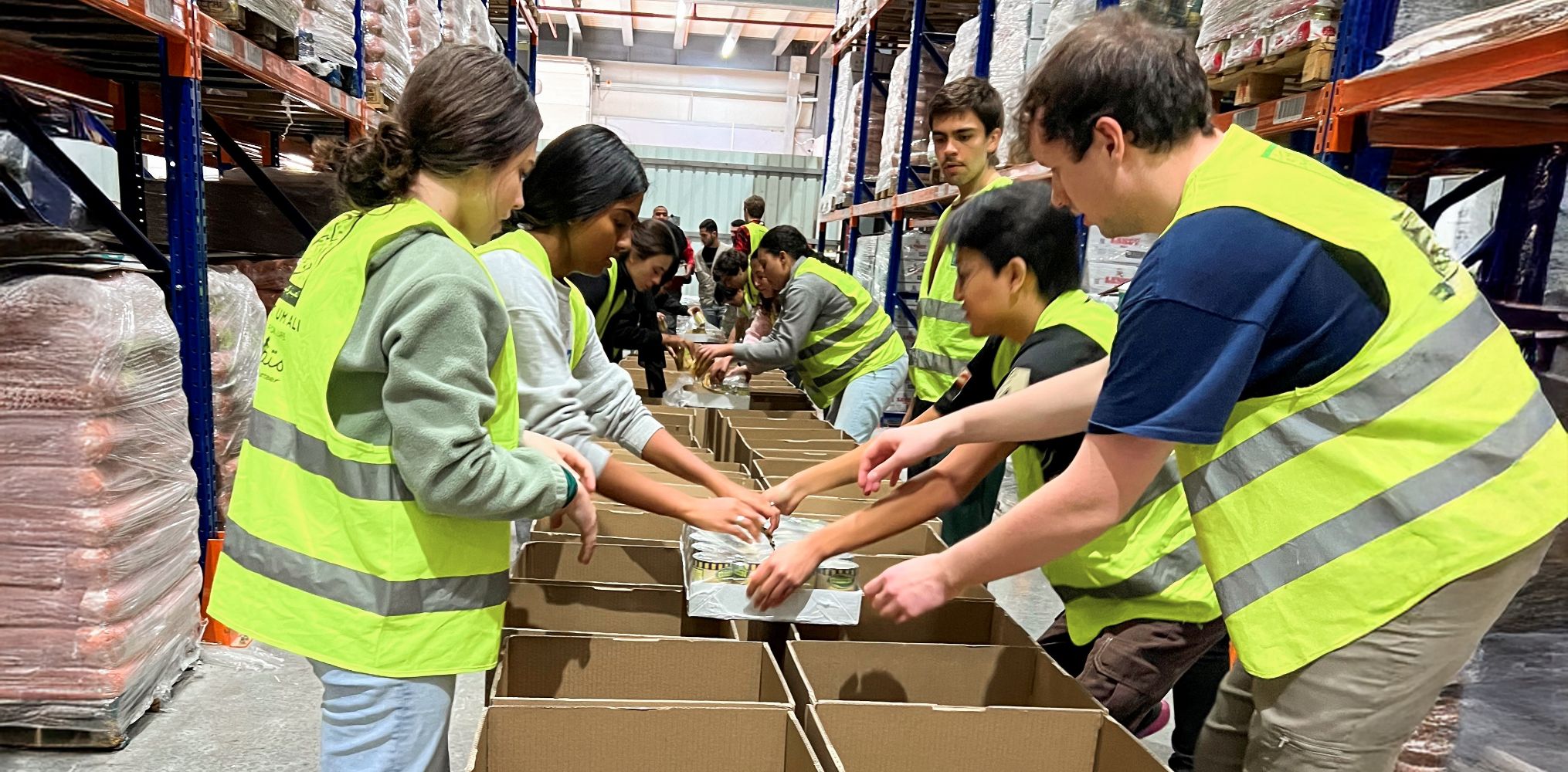
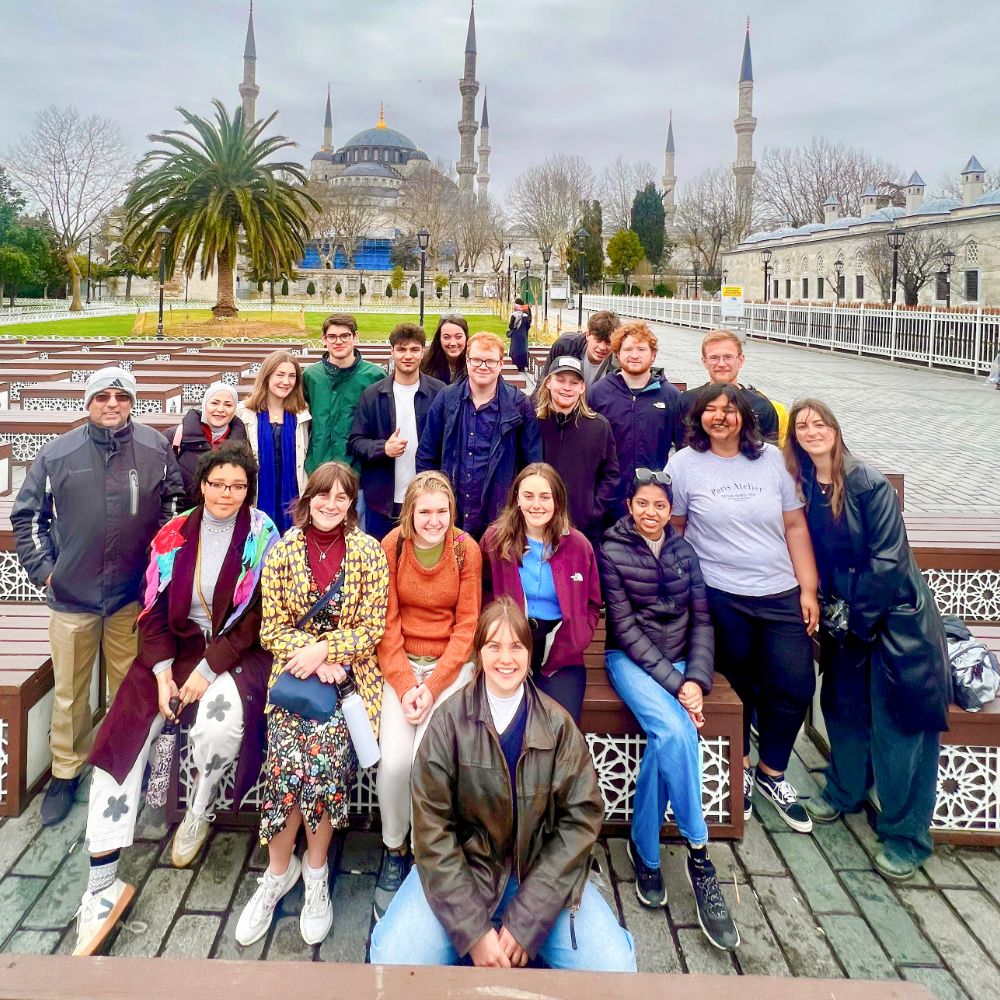
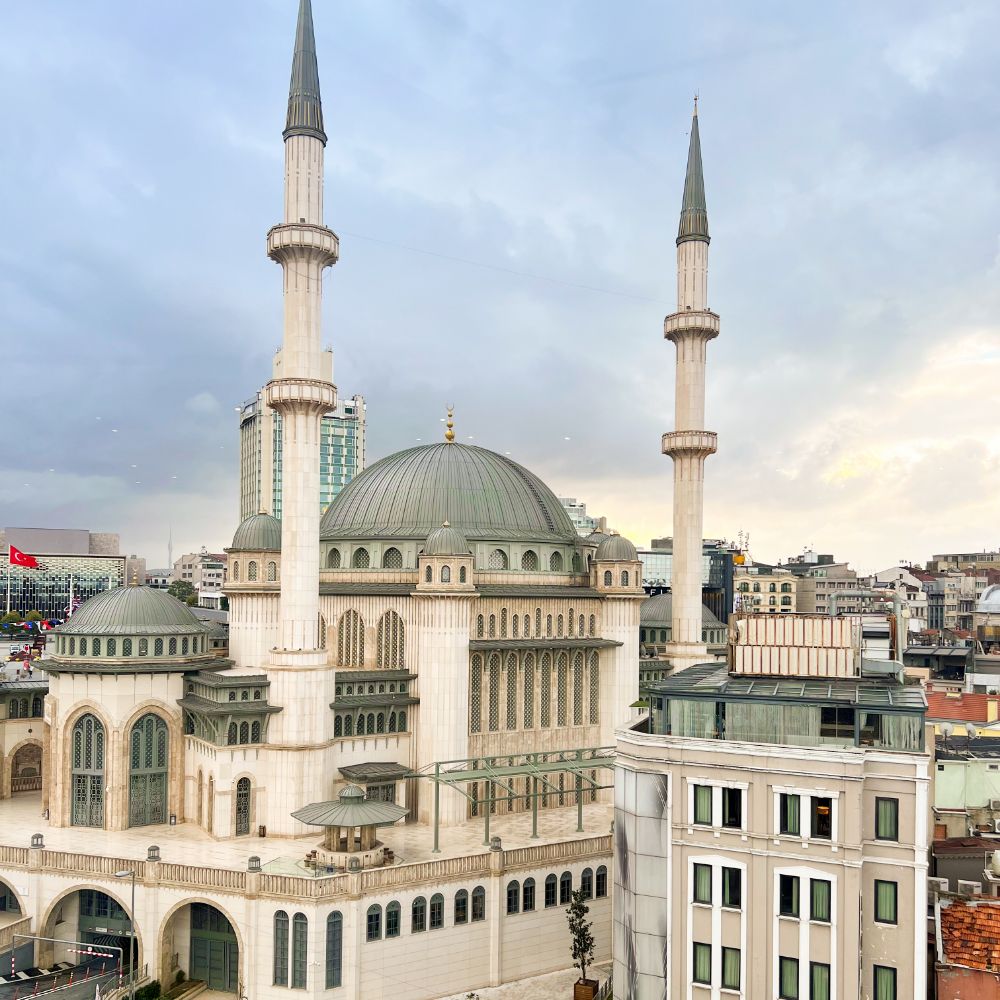
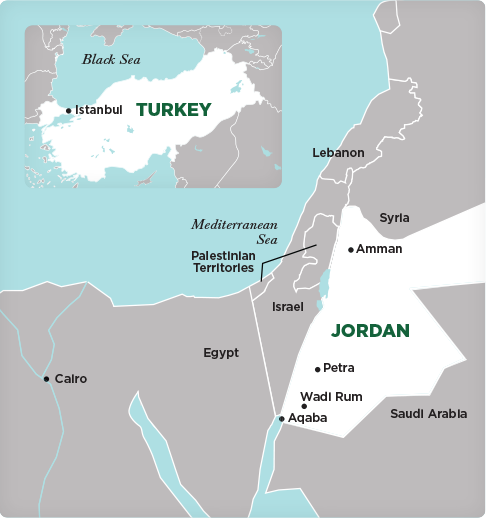


The program includes an excursion to Istanbul, Turkey, a city that offers a unique blend of East and West and complex geopolitical history. In the past 20 years, Turkey has emerged as a leading political, economic, and cultural power in the region and as a main regional geopolitically influential player. In Istanbul, students have a rich context to learn about a different perspective on international relations and the Turkish influence in shaping the future of the Middle East. Students also learn about sociopolitical minorities such as the Kurds, the Syrians, and international investors. Students also meet with peers from Istanbul University and visit Old Istanbul to discuss the role of Turkey in Syria and Turkey’s relations with Iran, Israel, and world powers such as Russia, the US, and the EU. During this excursion, students will meet with peers from Istanbul University and visit Old Istanbul, the Blue Mosque, Haga Sofia, Topkapi Palace, the Grand Bazaar, and Suleymaniye Library and Mosque. They also have the opportunity to enjoy a boat cruise on the Bosphorous reaching close to the black sea. A sea where the surrounding countries have a rich and complex history of geopolitics and international relations.
Tangier
A fascinating city at the crossroads of Africa, Europe, the Mediterranean, and the Atlantic, and for decades an internationally administered zone. Standing at the Strait of Gibraltar, you’ll examine border politics, migration, and Morocco’s relationship with Europe from one of the places where those dynamics are most visible.
Marrakech
One of Morocco’s historical cities and a longstanding hub of trade, politics, and culture linking the Atlas Mountains, the Sahara, and the Atlantic coast. You’ll explore the historic medina and its surroundings while considering how tourism, urban change, and economic development are reshaping the city and the communities around it.
Essaouira
A fortified Atlantic port city long shaped by encounters between Morocco, Europe, and West Africa. Its history as a center of commerce, and of Amazigh, Arab, Jewish, and Gnawa cultural life, offers a vivid entry point into questions of migration, pluralism, and the layered identities of the region.
Please note that SIT will make every effort to maintain its programs as described. To respond to emergent situations, however, SIT may have to change or cancel programs.
Upon successful completion of the program, students will be able to:
The following syllabi are representative of this program. Because courses develop and change over time to take advantage of dynamic learning opportunities, actual course content will vary from term to term.
The syllabi can be useful for students, faculty, and study abroad offices in assessing credit transfer. Read more about credit transfer.


Geopolitics, International Relations, and the Future of the Middle East – syllabus
(MDES3000 / 3 credits)
Please note that syllabi are representative of a typical semester. Because courses develop and change over time to take advantage of unique learning opportunities, actual course content varies from semester to semester.
Over the last two decades, the Middle East has been the stage of some mega events that continue to reshape the geopolitical map of the region. Based in Morocco, students examine these regional dynamics from a North African perspective while maintaining a strong focus on Jordan and the broader Middle East. Jordan, as a key regional actor and peace broker, remains an important case for examining. Issues of relevance to the theme of the seminar include territorial conflict and state sovereignty, international intervention and dominant paradigm of international relations, geopolitical imagining and refugee crisis, and the impact of political crises on social organization, economy, and human ecology. We will study the nature of dominant International Relations paradigms in the Middle East and geopolitical discourse. The Morocco-based setting also provides opportunities to examine North Africa’s connections with Middle Eastern, African, and European geopolitical dynamics. In Istanbul, you will learn from local academics how Turkey has become a strong geopolitical regional player in Middle Eastern politics and international relations, and the extent to which Turkey is influencing the future political arena of the Middle East. This seminar includes classroom activities (lectures and reading assignments) and incorporates educational excursions, visits to organizations, agencies, critical thinking exercises, voluntary work, and field-based assignments. The Geopolitics, International Relations, and the Future of the Middle East seminar has an interdisciplinary, integrative, and critical focus.
Beginning Modern Standard Arabic
Beginning Modern Standard Arabic – syllabus
(ARAB1006-1506 / 6 credits)
Intermediate Modern Standard Arabic
Intermediate Modern Standard Arabic – syllabus
(ARAB2006-2506 / 6 credits)
Advanced Modern Standard Arabic
Advanced Modern Standard Arabic – syllabus
(ARAB3006-3506 / 6 credits)
The language course is offered at different levels: Choose to take either two thematic seminars and a 3-credit language course OR the thematic seminar Geopolitics, International Relations, and the Future of the Middle East, and a six-credit language course.
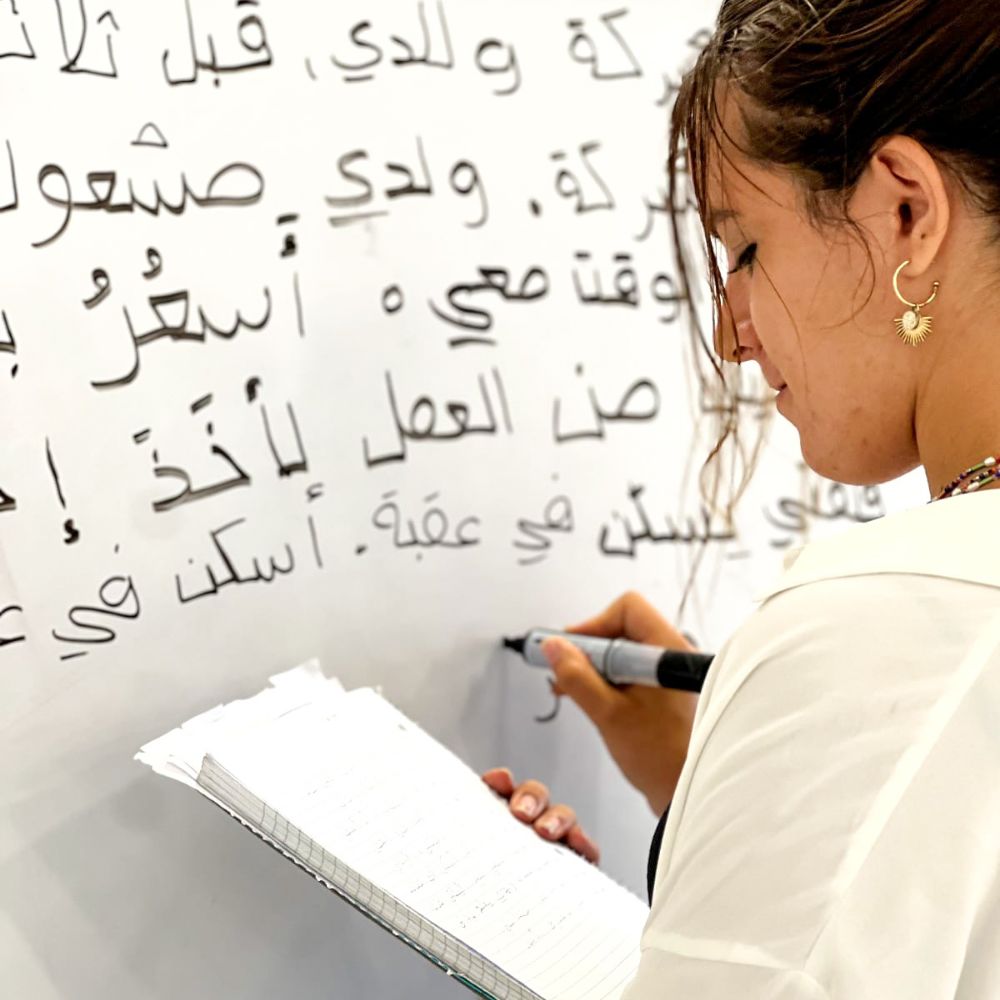
The language course emphasizes speaking, reading, and writing skills in Modern Standard Arabic (fusha) through classroom and field instruction. You will be placed in intensive beginning, intermediate, or advanced classes based on in-country evaluation, including oral proficiency testing. A component on Moroccan Colloquial Arabic is also part of the course.
Beginning Modern Standard Arabic
Beginning Modern Standard Arabic – syllabus
(ARAB1003-1503 / 3 credits)
Intermediate Modern Standard Arabic
Intermediate Modern Standard Arabic – syllabus
(ARAB2003-2503 / 3 credits)
Advanced Modern Standard Arabic
Advanced Modern Standard Arabic – syllabus
(ARAB3003-3503 / 3 credits)
The language course is offered at different levels: Choose to take either two thematic seminars and a 3-credit language course OR the thematic seminar Geopolitics, International Relations, and the Future of the Middle East, and a six-credit language course.
AND
The Psychology of Peace – syllabus
(MDES/PSYC3500 / 3 credits)
This interdisciplinary seminar addresses theory and practice of peace psychology, the psychological causes of violence and nonviolence, nonviolent struggle, non-violence and social change, the role of emotions in peacebuilding, negotiations of political disputes, and the impact of exiled and displaced populations on the psychology of peace and conflict resolution. The seminar also assesses applications of human psychology to the study of international politics. Psychological analyses of foreign policy and decision making, international conflict, and conflict resolution greatly contribute to the understanding of international relations. You will study the psychology of diverse actors of international relations, international relations and foreign policy decision making, role of biases, role of emotions in political decision making, and other psychological factors contributing to better understanding and explanation of international relations and politics. Through field visits with NGOs working in psychological services, health institutions, and discussions with academics, diplomats, and peace negotiators, you will learn about the psychology of peace as it impacts conflict resolution and peace processes in Jordan and the Middle East.
Social Science Methods and Ethics in Global Contexts – syllabus
(RSCH3500 / 3 credits)
This course is designed to introduce you to the methodological tools deployed by social scientists to conduct empirically grounded and theoretically engaged research. The course will cover the basic elements of research design, the role of theory in empirical research, and the ethics for social scientific research, with particular attention to the complex ethical considerations that arise when conducting research in international and cross-cultural contexts. You will gain hands-on experience with both basic quantitative and qualitative methods, with the flexibility to emphasize your preferred methodological approach in their final work. Using this project-based approach, the course will prepare you to design and execute social science research projects while developing competency across methodological traditions.
OR
Course Global Organizational Culture & Ethics – syllabus
GOCE-3500 (3 credits)
This course equips you to engage meaningfully and ethically in internship experiences across diverse sociopolitical, cultural, environmental, and global contexts. Using a critical, practice-based approach, you will examine the nature and purpose of internships as transformative experiential learning opportunities that connect to the program’s Critical Global Issue theme. Emphasis is placed on navigating workplace and organizational cultures, reflecting on identity and positionality in professional settings, and applying ethical principles to working globally with communities, individuals, and environments—particularly in collaboration with vulnerable populations and in sensitive ecological or habitat settings.
You will develop key professional intercultural competencies, including communication in context, critical self-reflection, and ethical engagement in applied settings. The course guides you through the process of designing a learning plan, establishing shared expectations with host organizations, and presenting a comprehensive internship proposal. While this course does not include a formal academic research component, it supports you in making connections between field-based learning and broader structural, ethical, and cultural considerations. The knowledge and skills learned through this course can be applied to this internship, but also beyond as you embark on your professional journeys.
The overall aim is to equip you with the tools and mindset to approach internships not only as professional opportunities, but also as sites of meaningful cross-cultural learning, solidarity, and critical engagement aligned with the program’s thematic focus.
In addition to taking the above courses, students will also need to enroll in one of the following two courses:
Independent Study Project
Independent Study Project – syllabus
(ISPR3000 / 4 credits)
The Independent Study Project (ISP) is a self-designed research project offering students the opportunity to undertake a personally significant and independent investigation, which highlights the regional and cultural reality that can only be encountered during a study abroad experience. The ISP is the academic component in which you most directly applies the concepts, skills, tools, and techniques of experience-based learning articulated through the Research Methods and Ethics and the thematic courses, while enabling you to further integrate your language skills and the contacts you have developed in the homestay and in the broader community. You will plan, develop, and independently undertake a research project, with the advice and guidance of the academic director and an ISP advisor, a local academic and/or experienced field professional. The topic of study may be anything of interest to you, within the scope of the program and the immediate region, and is usually developed out of lectures, discussions, and educational excursions. The final project should provide material evidence of your capability in utilizing appropriate methodologies and in synthesizing experiences in the host culture. You are expected to complete 180 hours of field-based (non-archival, non-library) research on your topic, submit a substantial written paper, and deliver an accompanying oral presentation. It is not uncommon for ISPs to strongly contribute to the your choice of subject for graduate studies or a professional career.
Sample ISP topic areas may include:
Browse this program’s Independent Study Projects / undergraduate research.
OR
Internship and Seminar
Internship and Seminar – syllabus
(ITRN3000 / 4 credits)
This seminar consists of a four-week, 120-hour internship with a local community organization, research organization, business, government agency, or international NGO. The aim of an internship is to enable you to gain valuable experience and enhance your skills in a career field/professional environment related to the core program themes.
SIT will use its extensive network to facilitate an internship placement for you where interviews may be required. The organization and your internship activities, including the Internship Learning Agreement, must be approved by SIT’s academic director. SIT will maintain oversight over internship placements in line with SIT academic policies and student health and security guidelines. Ultimately, you will need to take responsibility for making optimal use of resources available at the organization and to be proactive in engaging with local experts to achieve internship objectives. Regular reflection and assessment meetings are held with the academic director or internship coordinator to review the progress of the internship, learning associated with the internship experience, and to draw out broader issues related to program themes, positionality, culture and ethics in the context of the internship.
Modules will be implemented at weekly reflection meetings. Discussion and reflection sessions take place on a weekly basis. You will be expected to discuss experiences in the internship, reflect on the professional learning process, and respond to any prompts assigned by the internship instructor. These discussion and reflection sessions are key elements for personal, academic, and professional development during the internship. Depending on the circumstances, these sessions may be held in person or virtually.
You will be informed of the types of internships available and the placement process early in the semester. You must decide whether you want to undertake an internship by the fourth week of the program and will have ample opportunities to consult with SIT program staff. Internship placements may include organizations in political research and studies, social empowerment and refugees.
Sample internships:


You’ll live with a Moroccan homestay family in Rabat for the first two months of the program, except during excursions. The homestay is a unique opportunity to become a member of a Moroccan family, share meals with them, and take part in special occasions. Morocco is known for its warm hospitality. You’ll be immersed in Moroccan culture and will gain an understanding of your host family’s perspectives and values, all while practicing your Arabic language skills. When the ISP/internship period begins, you’ll have more flexibility: you may choose to remain with your homestay family or rent an apartment and experience living more independently in Morocco.
Most homestay families are middle class and maintain the customs of a typical Moroccan home. You may get to experience a Moroccan wedding, a religious holiday, or other traditional cultural activity in addition to family outings.

Hostels and small hotels

A diversity of students representing different colleges, universities, and majors study abroad on this program. Many of them have gone on to do amazing things that connect back to their experience abroad with SIT. Positions recently held by alumni of this program include:
Officer at the US Embassy, Amman, Jordan
Assistant at Hashemite Fund for Development of Jordan Badia, Amman, Jordan
Positions within political, economic, and development agencies and NGOs in Jordan and the Middle East



SIT Study Abroad is committed to ensuring that international education is within reach for all students. We believe in the transformative power of immersive, intercultural experiences and are dedicated to supporting students in their educational journey.
See All Costs
A critical step in preparing for your study abroad program is planning how you will maintain your health and wellbeing. Please review the following information carefully and contact [email protected] with any questions or concerns.
Learn More
Depending on your passport of origin, you may need a visa for this program. Please contact your admissions officer for more information.
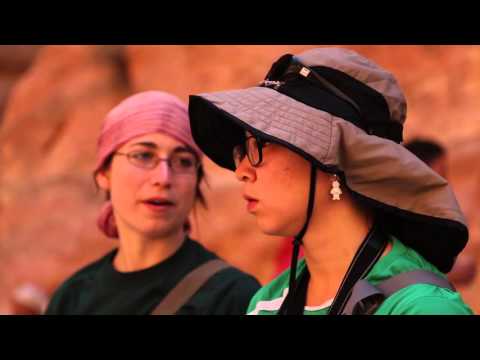
In 2022, SIT Jordan alum Lauren Newman was named a Charles B. Rangel International Affairs Fellow, putting her one step closer to working for the Foreign Service.